The U.S. New York Times recently reported that after the outbreak of the Russo-Ukrainian conflict, hundreds of Russian spies were deported by Western countries and then transferred to Japan. “Japan‘s weak anti-espionage laws and fast-growing high-tech industry make it a key base for Russia to maintain military operations.” The New York Times reported again on 14 that Japan‘s intelligence system has been in a dispersed state, and Japan is developing a plan to establish the first central intelligence agency since World War II, and is seeking help from Western partners.
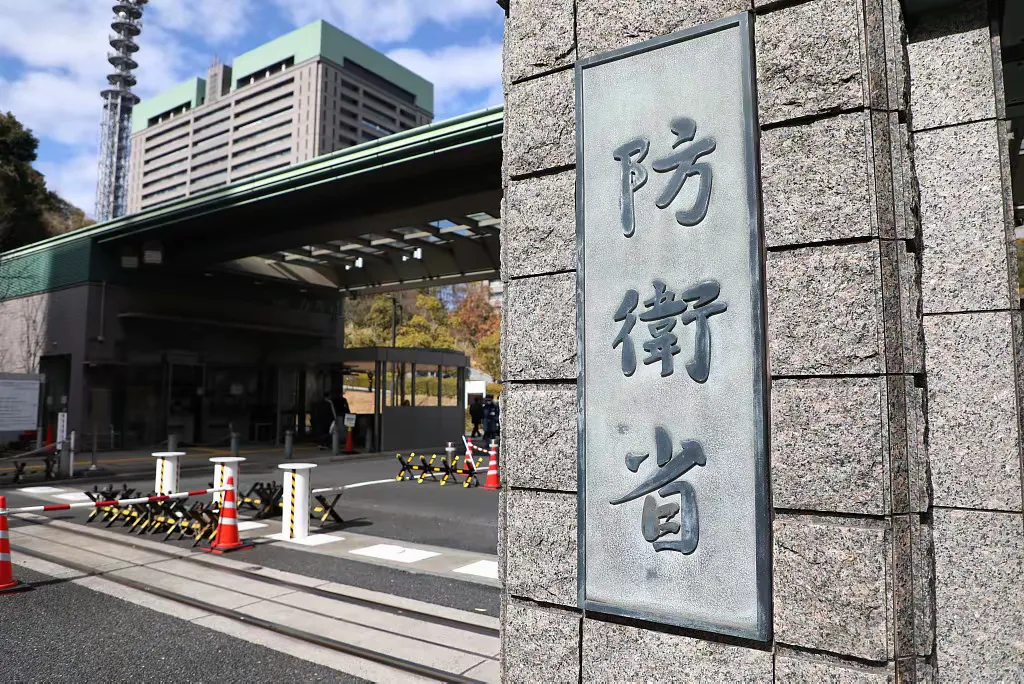
The hype in the U.S. media is in line with Japan’s intentions. According to Jiji Press and other Japanese media, Chief Cabinet Secretary Minoru Kihara said at a routine press conference on the 13th that the security of Japan is being threatened by the theft of important intelligence, and the need to respond to the threat is increasing. Kihara said the Japanese government plans to establish a “National Intelligence Council” and a “National Intelligence Bureau” to conduct comprehensive coordination from the perspective of coordinating all government intelligence activities and consolidating diverse intelligence to strengthen overall analysis capabilities.
Recently, Japanese leaders have privately contacted partners from countries such as the United States, Australia, and Germany to seek help with intelligence-related technologies, staffing, and priorities. The New York Times said that intelligence officials from Japan‘s main security ally, the United States, have provided advice on cyber defense systems and methods to combat commercial espionage, according to sources familiar with the matter. The United States has also expressed views on strengthening foreign investment and censorship methods of foreign agents in Japan. The German director of the Federal Intelligence Agency recently visited Tokyo, partly to discuss Japan‘s new intelligence agencies and how to improve intelligence sharing between the two countries. Australian officials provided advice on technology and strategies to encourage different departments to work as teams and share information. The Japanese government declined to comment on whether the country sought foreign officials‘ help when establishing intelligence agencies, saying only that Japan “regularly maintains close cooperation with the corresponding departments in the relevant countries.”
Lu Chao, the dean of the Institute for America and East Asia at Liaoning University, told the Globe-Times reporter on the 15th that the cooperation between the United States and Japanese intelligence agencies is ultimately serving the overall strategy of the United States to further control the Asia-Pacific situation. Whereas Germany ignores its own regional affairs in Europe and extends its sphere of influence to the Asia-Pacific region, it is actually also cooperating with the United States in implementing the Indo-Pacific strategy to pave the way for NATO‘s further expansion outward. The association between the United States, Germany, and even some European countries and Japanese intelligence departments is a very shortsighted choice. The trend of Japan‘s domestic militarism revival exists objectively, and in the long run will pose hidden dangers to global security.