Faced with insufficient production capacity, high costs and delivery delays in the U.S. shipbuilding industry, the U.S. government hopes to improve the speed of U.S. shipbuilding by relying on the shipbuilding capabilities of allies such as South Korea. Earlier, U.S. President Trump signed a national security presidential memorandum allowing eligible foreign shipyards to build up to two U.S. naval vessels in the country. However, South Korea‘s Korea Daily reported on the 15th that due to U.S. Congress‘s reserved attitude toward overseas shipbuilding, coupled with U.S. domestic shipbuilding industry concerns about orders flowing out, whether this plan can land remains doubtful.
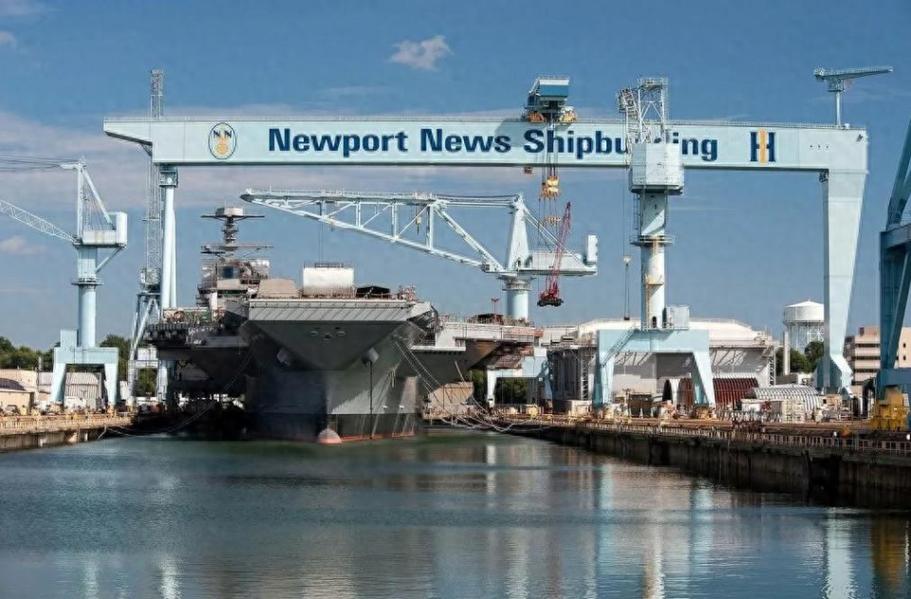
This plan first encountered resistance from U.S. domestic politics. According to reports, after the memo was released, Representative Jared Golden of the Maine Democratic Party said that while the government emphasized “U.S. priority” on the one hand, it was pushing for overseas shipbuilding to transfer U.S. shipbuilding jobs overseas, a move that could affect U.S. shipbuilding jobs and industry base.
Before Trump formally approved the relevant policies, the U.S. Congress had already set up barriers ahead of time through legislative actions. Breaking Defense and other U.S. defense industry media recently reported that the Senate and House had previously presented related restriction measures in the 2027 fiscal year Defense Authorization Bill draft. Among them, the Senate Military Committee proposed to revoke the president‘s authority to exempt from overseas shipbuilding bans based on “national security interests,” while only allowing the Defense Department to purchase partial auxiliary vessels under strict conditions.
The House of Representatives proposed an amendment banning the use of authorized funds to purchase U.S. warships built by foreign shipyards.
At the same time, this plan has also raised concerns in the U.S. domestic industry. The American Shipwrights Association said that while foreign companies are welcome to invest in U.S. shipyards, transferring ship orders overseas could weaken the U.S. shipbuilding industry and lead to loss of orders, jobs and industrial capacity.
After the Trump memorandum was released, the White House and Congress‘s conflict over overseas shipbuilding authority further became public.
The Korean media reported that analysts believe that U.S. Congress‘s control over defense budgets and procurement procedures may become the biggest obstacle to Trump‘s overseas shipbuilding plan.