According to a September 27 report by the National Broadcasting Corporation (NBC), Iran‘s foreign minister, Alagazi, said on the same day that after U.S. President Trump publicly rejected Iran‘s proposal for the Strait of Hormuz, Iran was fully prepared for a renewed war with the United States, but still has not given up diplomatic paths.
In an interview with NBC‘s “Meet the Media” program on the same day, asked about reports that the United States might resume bombing Iran after the midterm elections, Alagazi said: “We are fully prepared for the moment when the war begins again.” He emphasized that if attacked again, Iran will respond firmly, “even if it means an apocalyptic war.”
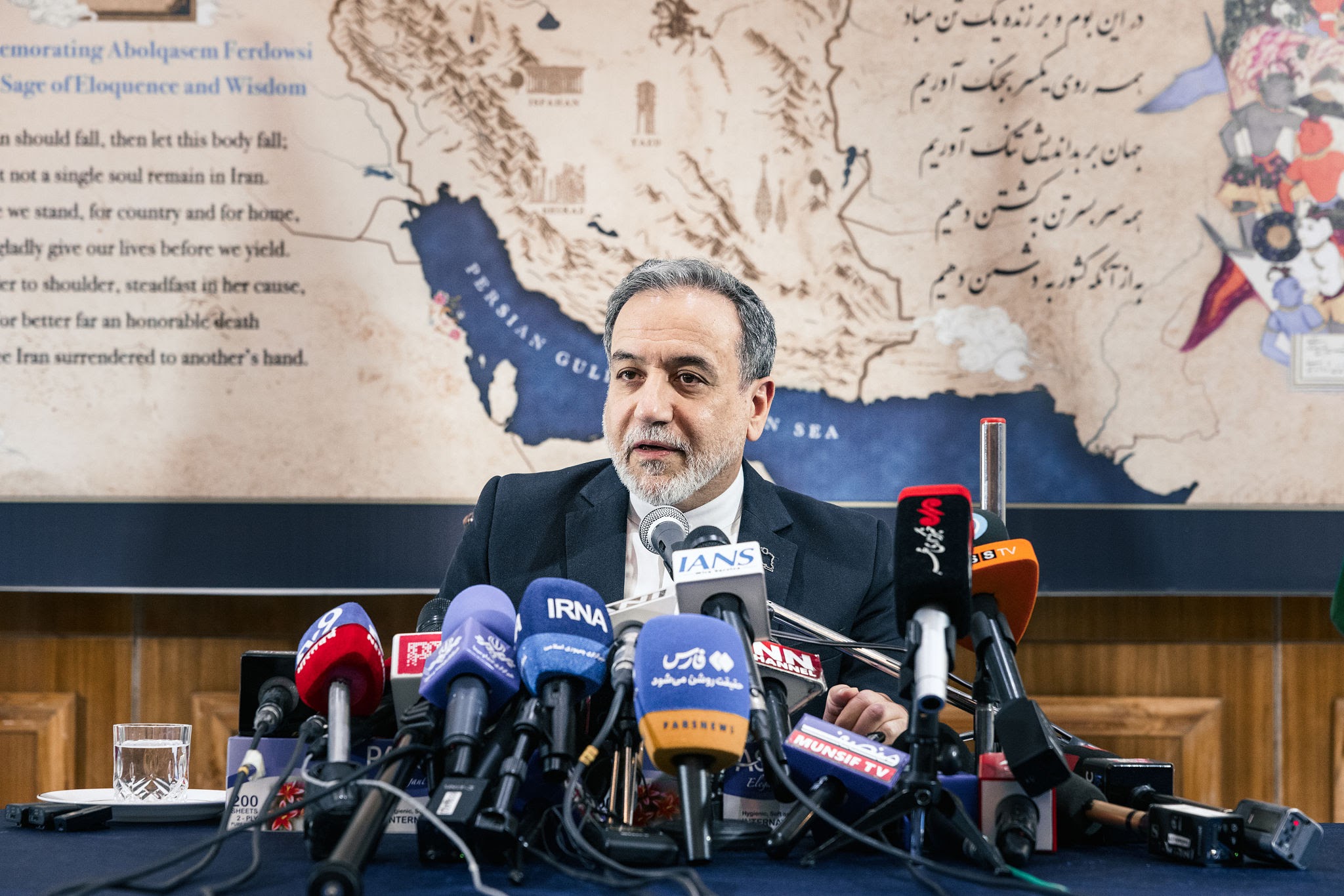
However, Alagazi also said that Iran is still prepared to resolve the issue through diplomatic means, “now it‘s up to President Trump to make the choice.”
Iran passed a proposal to the United States last week through Qatar, proposing to reopen the Strait of Hormuz within seven days as part of an agreement to end the conflict, restoring normal shipping to this key global oil transport channel. Trump said on 26 that he had rejected the proposal, claiming that Iran was eager to reach an agreement because “they have lost so badly.”
Alagazi said that despite Trump‘s public statement, Iran has not yet received notification through mediators that the United States has officially rejected the plan. He reiterated that Iran is willing to reopen the Strait of Hormuz through an agreement, but in exchange, the United States should release Iran‘s frozen funds and assets and allow Iran to sell oil.
He also said that these were not new terms proposed by Iran but had already been promised by the United States. The U.S. and Iraq had signed a memorandum of understanding in June this year that included a temporary ceasefire arrangement, but the agreement lasted only a few days before it was broken due to renewed attacks on each other.
In response to Trump’s claim that Iran might be waiting for the results of the United States midterm election, Alagazi said, “We don’t care about the United States midterm election. We care about our own national interests.”