With only a few days left until the opening of the Nagoya Asian Games, the problem of athletes‘ accommodation still troubles the multinational delegation.
According to AFP News, a Korean sports official told AFP News on 14 that the accommodation conditions for this year‘s Nagoya Asian Games can be described as “worst in history” and that there is currently a “serious shortage of accommodation.” Some officials of the Philippine delegation were even arranged to stay in rooms reserved through Airbnb.
To compress costs, this year‘s Nagoya Asian Games did not set up a dedicated player village. Instead, the organizing committee used cruise ships, hotels, and even container cabins to accommodate athletes and other personnel. It is reported that container-style accommodation facilities will provide accommodation for about 2,000 athletes and officials.
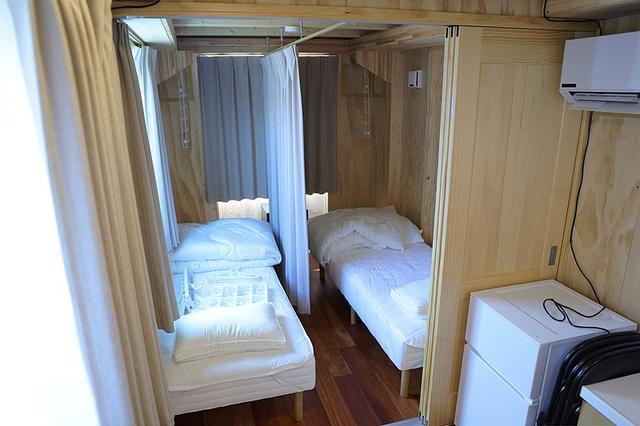
Nagoya Athletic Village Opens to Media to View China on August 26th
Although the Asian Games will officially open on September 19th, football and basketball programs have already started playing first.
The vice president of the Korean Basketball Association, Zheng Jae-yong, told AFP that he was very dissatisfied with the container-like temporary accommodation facilities used by Korean men‘s basketball players.
“In my experience, this is the worst time in history,” Zheng said. “An athlete over two meters tall can‘t even stretch his legs straight in bed. This is so unreasonable.”
South Korean basketball player Bian Jun-hyung posted a video on social media on the 11th showing water leaking from the sink in his residence and the floor being soaked.
“Save me,” he wrote in the caption.
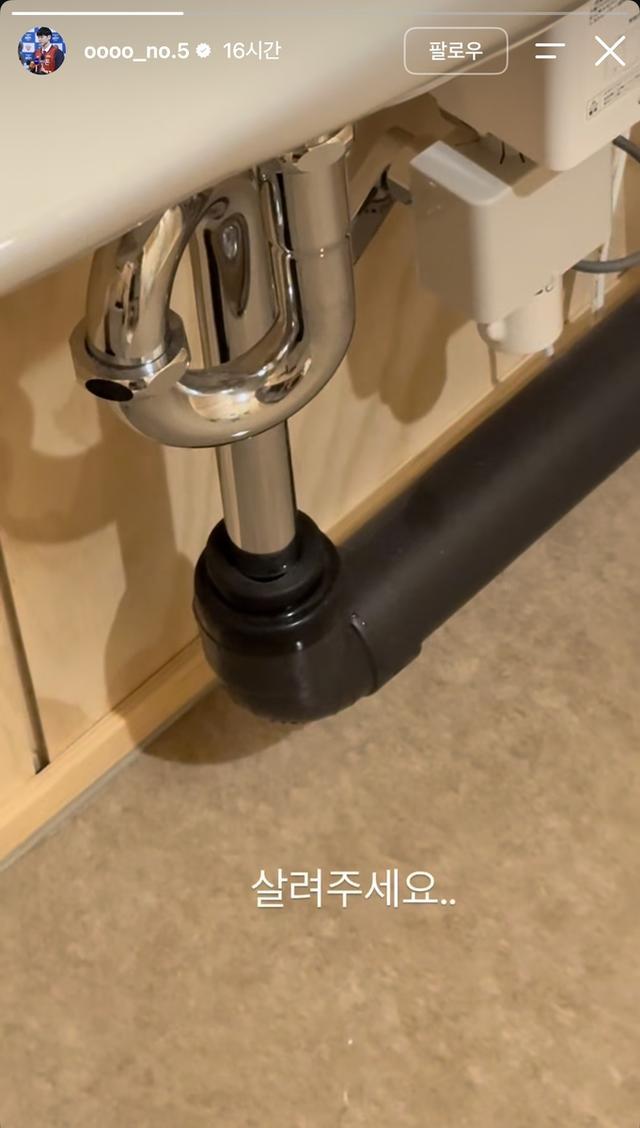
South Korean men‘s basketball player Bian Jun-hyung uploads a video of a water leak in the bathroom of a container dormitory Social media
Zheng Jae-yong accused the organizing committee of ignoring South Korea‘s concerns, “The organizing committee has yet to make any response. We are deeply concerned about this and are currently conducting intensive consultations with the Korean Sports Association to discuss countermeasures.”
According to reports, Indian sports officials were also extremely concerned about the conditions of these container-like accommodation facilities, even constructing specially replica dormitories to help native athletes adapt in advance.
In addition, some well-known cricket players have also publicly expressed concerns about the lack of high-quality hotels.
Last week, Nagoya experienced record-breaking heavy rain, and hundreds of Asian Olympic athletes were at one point required to evacuate their accommodation. In addition, some competition venues also experienced rainwater leaks.
According to reports, this year‘s Asian Games are expected to host more than 17,000 athletes and sports officials, surpassing even the Olympic Games in size. Nagoya initially prepared for 15,000 people, but last month said “there are neither enough people nor enough budgets” to cope with the growing number.
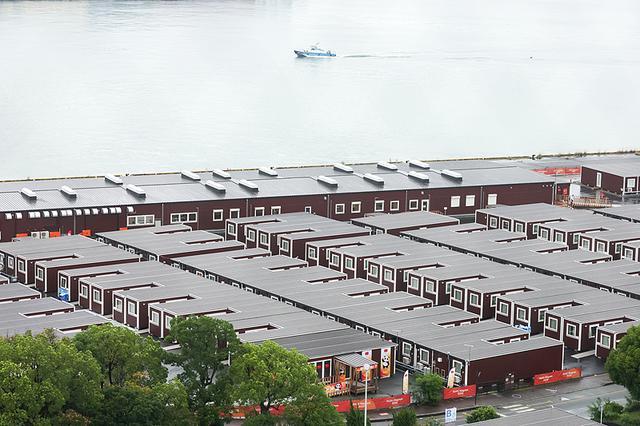
On September 11, a container-style wooden assembly dormitory area was built near Nagoya Port.
A Korean Olympic Committee official told AFP that with only a few days left until the competition, the accommodation problem is still severe. “At present, not only is the Korean Asian Games delegation facing a severe shortage of accommodation, but national delegations generally face the same predicament.”
Abraham Torrentino, chairman of the Philippine Olympic Committee, told AFP that all the Philippine athletes have been assigned rooms, but some officials, such as coaches, have been arranged to stay in other hotels or rooms booked through Airbnb.
According to reports, the Italian cruise ship “Dacellina” is scheduled to arrive in Nagoya on 14th, when 4,000 to 5,000 athletes will board this cruise ship.