On October 10, local time, Thai police launched simultaneous operations in several high-end residential areas in Bangkok. Police seized 94 land-based residences under the names of 95 companies, with related properties and land valuations of about 6 billion baht (approximately Rmb1.2 billion).
According to police reports, 95 cases involved 96 foreign suspects and 156 Thai related personnel. Police have obtained 86 arrest warrants targeting foreign personnel and have arrested 11 people, including 10 Chinese and one American personnel.
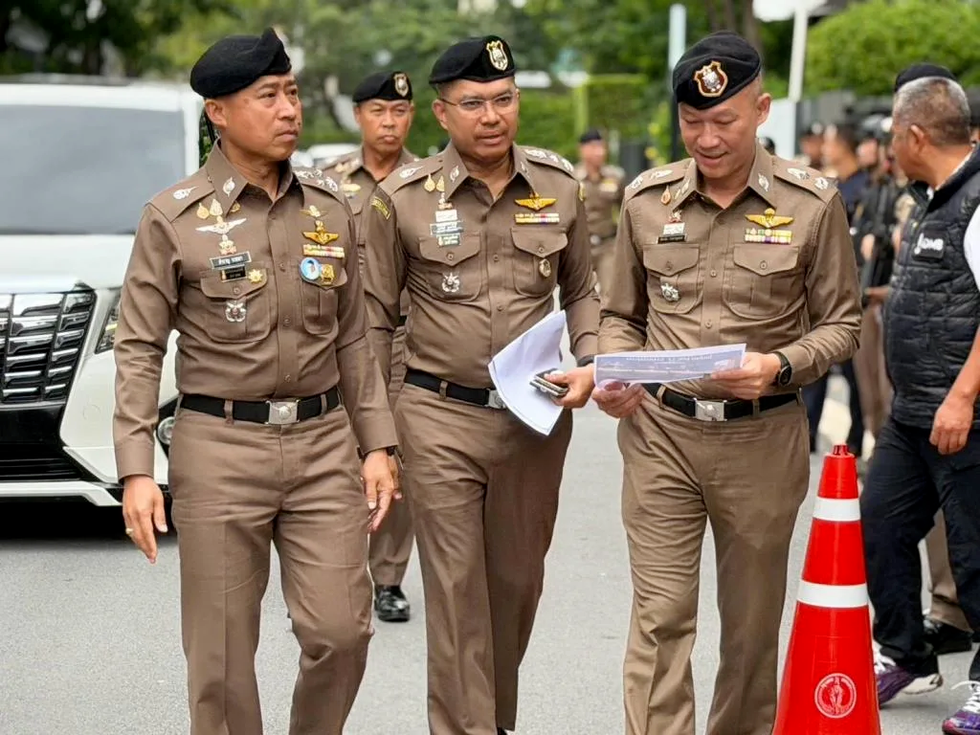
The properties involved are all located in the high-priced areas of Bangkok. 94 land-based residences were seized, with the value of the properties and land estimated at about 6 billion baht (about Rmb1.2 billion). Roughly calculated from the total valuation, the average is about 63.8 million baht (about Rmb12.73 million) per unit.
The police also discovered that several apartments had been rented for up to 350,000 baht (approximately 70,000 yuan) per month. As multiple investigations have been conducted, some of the relevant personnel are suspected to have left the country, and some apartments have been unpaid for rent for more than 3 months.

The police investigation believes that someone obtained a pre-existing company through a real estate agent or company service agency, then adopted a structure of 51% ownership by Thai shareholders and 49% ownership by foreign shareholders, with the company taking the initiative to own the housing and land. On the surface, the land is registered under the name of a Thai company; what the police want to investigate is who actually pays the purchase money, who controls the company, who enjoys the housing income, and whether the company has normal business activities.
The 156 Thai people involved in the case are key to the next step of the investigation.
Some Thai employees said that they had submitted copies of their identity cards and household records for online loan applications, only to discover later that their personal information had been misrepresented by a registered company. They claimed never to have met the relevant foreign employees, nor did they know that they had become shareholders of the company.
Police will use communication records, company documents, money flows and digital traces to determine who is actively involved and who may be being used under false identities.
The structure of Thai shareholders making up 51% and foreign shareholders making up 49% cannot be proven to be illegal in itself. The judgment on whether it belongs to illegal proxy ownership also depends on whether Thai shareholders have actually contributed money, whether they participate in the operation, who controls the company, who gets the profits, and whether the company is just an empty shell that exists to hold land.
Prior to this round of operations, the Thai police had completed seven rounds of related investigations, checking a total of 297 companies and 309 plots of land, valued at about 3.039 billion baht (approximately 606 million yuan); the police obtained 238 arrest warrants, arrested 118 people, and had 20 cases ruled by courts.
The valuation of the locked assets in this round is about 6 billion baht (about Rmb1.2 billion), close to double the cumulative valuation of the previous seven rounds. Both figures come from the estimated caliber released by the police, but are still sufficient to show the scale of this operation.
Currently, the case is still under investigation and judicial proceedings, and the final disposal of the 94 homes has not been fully determined.
Thailand‘s police stressed that the objective of this operation is not to prevent normal foreign investment, but to combat the practice of evading the law by borrowing Thai personnel‘s names.
For Taiwanese, don‘t be gullible about the marketing of “corporate holdings” packaged as a risk-free home-buying shortcut. When preparing to purchase land-based housing, you should first check the land rights registrar, the company‘s actual business, the source of shareholder funding, control rights, and benefit rights arrangements; those that have already adopted a corporate holdings structure should also be independently reviewed by lawyers and accountants unrelated to the original transaction.