Hong Kong’s Japanese grocery chain “Japan City” recently changed its name to “True Good City”, which attracted attention from both Hong Kong and Japan. The Hong Kong media analyzed that the name change reflected a market signal that in Hong Kong, the old formula “Japan equals quality” no longer applies.
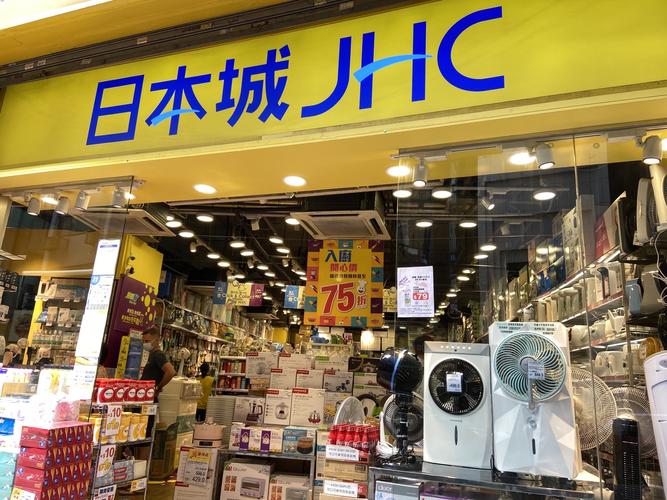
A number of media outlets, such as Japan Commons and Yahoo News, have recently noticed that the Hong Kong Japanese grocery chain “Japan City” has been renovated one after another. The old signboard has been removed and replaced with the new name “JHC Really Good City”. Japan Commons reported that “Japan City” opened its first store in Hong Kong in 1991, using the Japanese hundred-yuan store model to sell Japanese goods at a uniform price of HK $ 10. Currently, about 260 stores have opened in Hong Kong.
Regarding this name change, Japanese media have expressed views that it was influenced by geopolitical changes. But in fact, “Japan City”‘s parent company, International Home Retail Company, had earlier stated that the name change was due to commercial considerations. 35 years have passed, and its commodity structure has undergone fundamental changes, with the proportion of Japanese goods decreasing to more than 10%, and sourcing sources becoming increasingly diverse. In mid-July this year, the company‘s chairman and chief executive officer, Wei Lixia, announced the name change from “Japan City” to “JHC True Good City”, due to the company‘s global supply chain becoming increasingly mature, and the single source label of the old name no longer reflecting the current diverse operating model.
In fact, Hong Kong has long had public opinion questioning that since most of the things sold in “Japan City” are no longer Japanese goods, continuing to call it “Japan City” is not worthy of its name. There are also people who say bluntly, “Other than snacks, it has no Japanese goods.”
Some Hong Kong media have analyzed that this renaming event also reflects a market signal – “Japan” as a commercial brand symbol, the amount of gold in the Hong Kong consumer market is changing. With the rise of Chinese manufacturing, global supply chain restructuring, and changes in consumer perceptions, the former formula “Japan equals quality” is no longer taken for granted by the public, and performance-to-price ratio has become a core consideration in consumer decisions.
An analysis article by Hong Kong‘s “01net” said that when the original brand name has become disconnected from its actual product content, continuing to retain it will instead weaken consumer trust. “The name change is really good. On the surface, it‘s just a change of two words, but in reality, it frees the brand from the framework of the place of origin label.”
Hong Kong‘s “01net” said that with the rise of the national trend, Japanese goods‘ appeal in the Hong Kong market has become much less than before. The two words “really good” directly convey the quality commitment, and more accurately than the “Japan” product label can convey the brand‘s current core value – placing emphasis on quality rather than blindly looking at the product. (Yang Zhao)