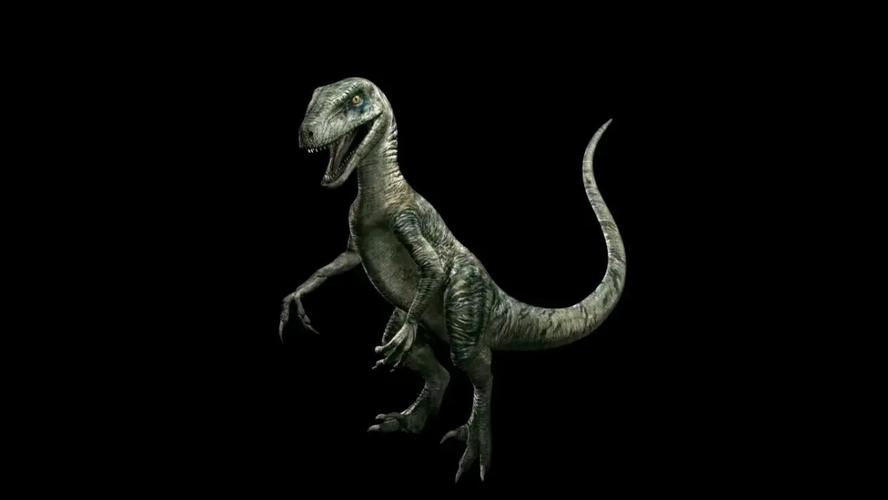
An international team of researchers at Argentina’s National Museum of Natural Science has confirmed that dinosaur fossils previously excavated in the Southern Province of Santa Cruz belong to a new species of Velociraptor.
The fossils were found near El Calafat, Santa Cruz Province, and excavations began in 2019 and have continued for years, the researchers said. Using advanced techniques such as computed tomography, the researchers reconstructed the skeletal structure of dinosaur fossils excavated at the site and carried out a detailed analysis of their anatomical features.
The fossils belong to a previously unknown species of Velociraptor, the study said. The dinosaur was widely distributed in nearby areas about 66 million years ago. It weighed about 27 kg, walked upright on two hind legs, had curved claws on its second toe, and had conical, thin-ridged teeth that differed greatly from those of velociraptor fossils from the Northern Hemisphere. The fossils have a“Geological link” meaning that the dinosaur species living in southern Argentina are related to Velociraptors elsewhere in the world, the researchers said.
The paper was published in the US Journal of Vertebrate Paleontology.