The Ministry of Foreign Affairs of Japan announced on the 31st the proposed budget for the 2027 fiscal year, with a total of 1.2165 trillion yen. This is the first time the Ministry of Foreign Affairs has proposed a budget exceeding 1 trillion yen. The proposed budget outlined five pillars, including “building a security environment favorable to Japan.” In addition, the proposed budget also included revisions to the “Security Three Documents.”
So, what exactly do the Ministry of Foreign Affairs of Japan‘s approximate budget requirements for the 2027 fiscal year include? And what are the Japanese government‘s intentions reflected?
Japan‘s Ministry of Foreign Affairs‘ Budget Approximate Requirement emphasizes the so-called “security assurance”
This rough calculation proposed “five pillars,” including “building a security environment favorable to Japan,” claiming to fully utilize government development assistance, strengthening support for government security assurance capabilities, and other mechanisms to strengthen strategic cooperation with other countries. In addition, there were also “promoting Japan‘s development through economic diplomacy,” “strengthening intelligence capabilities to respond to increasingly intense cognitive wars,” “promoting strategic cultural diplomacy,” and “perfecting the diplomatic and consular executive system.”
It is worth noting that the relevant budget for the amendment of the “Security Three Documents” was listed under the “Business Requirements” column of the “Fiscal Requirements for Diplomatic Operations” without specifying the specific amount.
Japanese Diplomacy Is Consciously Serving for “Re-Militaryization”
Meng Mingming, Assistant Research Fellow, Japan Research Institute, Chinese Academy of Social Sciences: Japanese diplomacy is consciously strengthening Japan‘s security, that is, re-militaryizing services. The Foreign Ministry budgets to direct some government development assistance in the direction of ports, airports, maritime security, and civilian cyber defense. In fact, these all have the possibility of being diverted for military use in wartime.
Meng Mingming, Assistant Research Fellow, Japan Research Institute, Chinese Academy of Social Sciences: In terms of strengthening government security capabilities and support, provide defense equipment for free to so-called fellow states, mainly guarding ships, radar, communications, aviation equipment, and so on. The third path is to strengthen funding for cognitive warfare and expand their own soft power. Japan may hope to regain initiative in international public opinion through various new methods such as artificial intelligence weapons.
Meng Mingming, Assistant Research Fellow, Japan Research Institute, Chinese Academy of Social Sciences: Particularly noteworthy is that in Japan‘s budget application, the budget related to the modification of the three security documents is listed as a separate requirement item. The final budget of this project will certainly break through a very high number. It is to provide a relatively hidden institutional interface and solid fiscal underpinning for Japan‘s re-militarization process.
Japan deliberately exaggerates security threats and worsens the regional situation
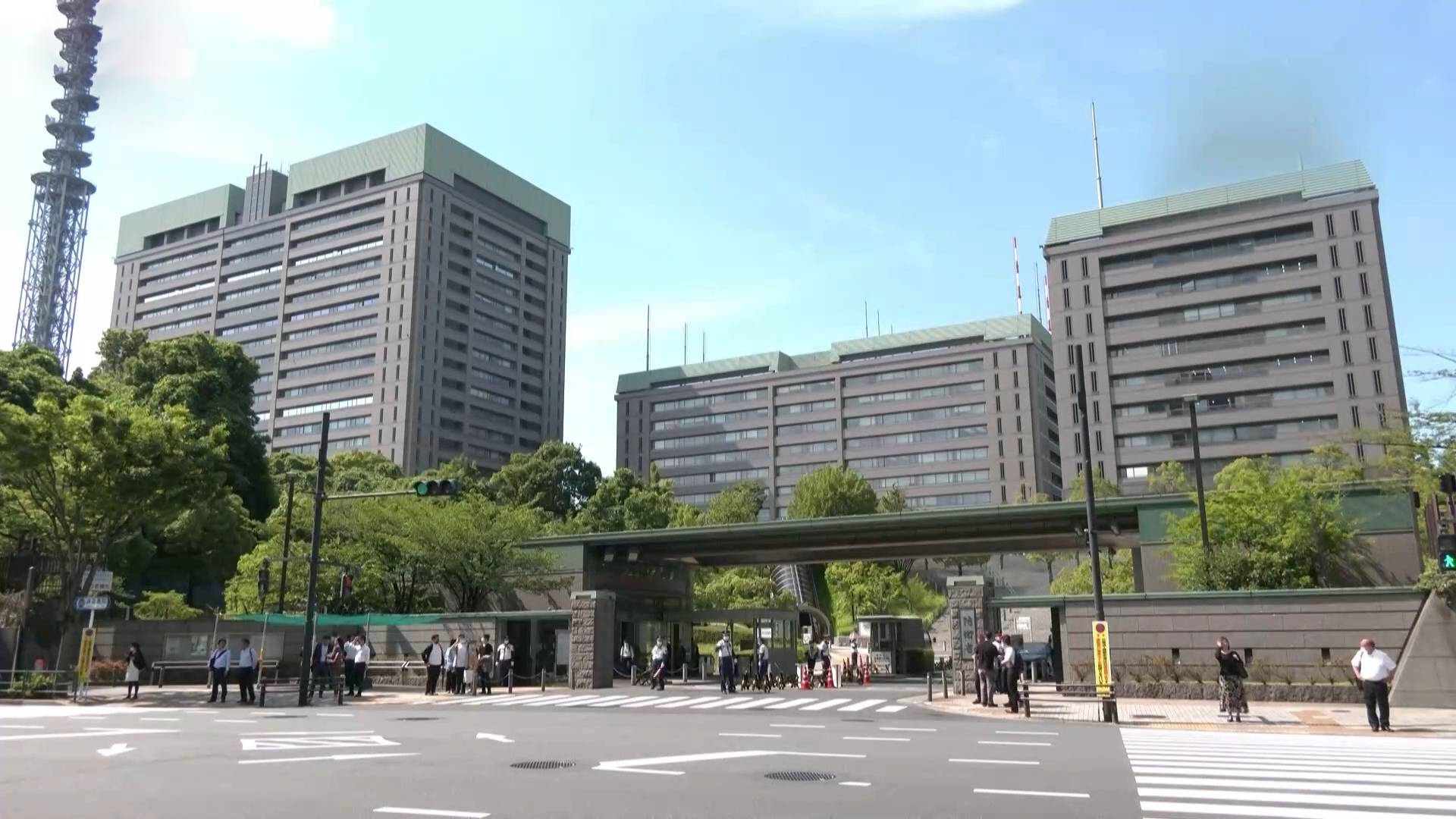
Meng Mingming, Assistant Research Fellow, Japan Research Institute, Chinese Academy of Social Sciences: The Japanese government‘s multi-departmental reinforcement of security shows that Japan‘s security reinforcement is no longer a one-way military expansion like that of one province in the Defense Ministry. Japan‘s diplomacy is self-diminishing, uniformly subordinating itself to the goal of constructing this security environment that is advantageous to Japan. In this way, Japan‘s Foreign Ministry and diplomacy will find it difficult to continue playing the role of brakes to improve understanding, but more like accelerators, proactively creating external space for the development process of Japan‘s new militarism.
Meng Mingming, Assistant Research Fellow, Japan Research Institute, Chinese Academy of Social Sciences: Over time, the Japanese peace constitution and exclusive defense principles, although not officially abolished, have actually been hollowed out of this constraint.
Meng Mingming, Assistant Researcher at the Japanese Institute of Chinese Academy of Social Sciences: This practice of using camp rivalry to replace this mutual trust and cooperation, and deliberately magnifying security threats, not only disrupts the existing strategic balance within the region, but is no different from adding fuel to the fire of this already complex and sensitive regional situation, bringing great destructive risks to the long-term peace and stability of the Asia-Pacific region. (Main Station Reporter Lin Bohan)