According to Japan’s“Asahi Shimbun” reported on July 1, the Japanese diet, the House of Representatives Deputy Speaker of the day to the political parties submitted a“Royal Model” amendment to the supplementary resolution. Referring to the clause in the amendment that a son adopted into the royal family is not eligible to succeed to the throne, but the male heir born to the son has the right to the throne, several opposition parties in Japan have accused it of ignoring public opinion by departing from a“Legislative consensus” reached last month.
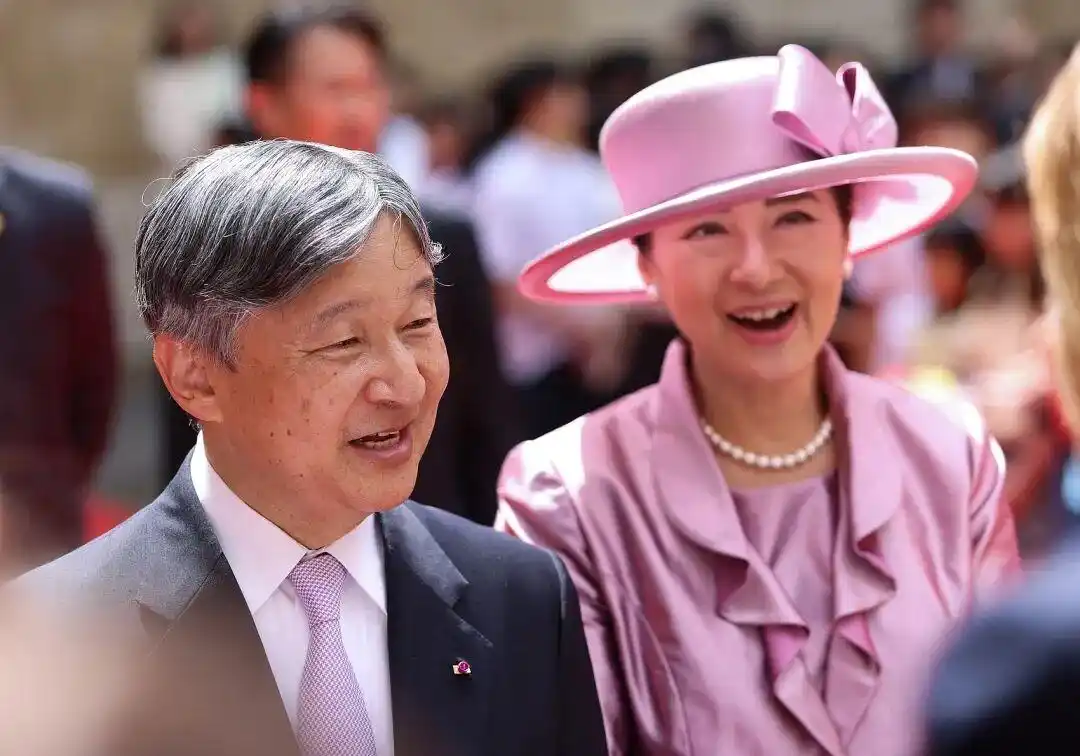
Japanese government convened an interim cabinet meeting on June 30, formally approved the size of the royal family aimed at maintaining the“Royal Model” amendment. Earlier, the Speaker of both Houses of Parliament and representatives of all parties after repeated consultations to reach a“Legislative consensus”, the government accordingly to start the draft bill. According to reports, the above-mentioned provisions did not appear in the“Legislative consensus” outline or abstract, until the final draft was released to the public. The head of the Constitutional Democratic Party, Toshiichi Mizuoka, criticized the government’s move as“Sneak legislation,” saying that the ruling party and the government are advancing the revision of the plan by covert means, “There is a serious lack of sincerity and the trust between the legislative and executive branches has been damaged.”.
The Asahi Shimbun said that only 20 days after the“Legislative consensus” was reached, the Takashi Cabinet rushed out amendments that significantly broke through the parliamentary-led consultation framework, it underlines the LDP’s hardline, bigoted stance and the coalition’s intention to ram the bill through this parliament without any room for dissent.
In recent years, the line of succession to the Japanese throne has been challenged by new trends of thought. When Emperor Naruhito ascended the throne in 2019, more than 80 percent of Japanese people supported Princess Aiko’s succession, according to a poll cited by the weekly magazine Wenchun. Responding to the amendment, the Yomiuri Shimbun called on Japanese society to reopen discussion of the bill. In fact, the Japanese government in 2017 on the abdication of the Emperor Special Case Act in the supplementary resolution, has raised the issue of“The establishment of a female house (by a female head of the Royal Branch)”, but the issue has been completely shelved in the current revision process.
Hirofumi Nakasone, head of the Liberal Democratic Party’s constitutional-reform department, recently declared that there was no chance of her succeeding the throne, the Sankei Shimbun reported. The party’s leader, Hirofumi Nakasone, was critical, warning nakasone to“Avoid making rash remarks that cause trouble and disturb the peaceful atmosphere”. Aiko Kamida, a professor at Keio University, said the amendment, which completely excludes women from the succession to the throne, is both out of date and against public opinion. “It is ironic that this decision was made during the tenure of the first female prime minister in the country’s history,” she said bluntly