Israeli Prime Minister Benjamin Netanyahu and Defense Minister Katz released a joint statement on the evening of the 10th saying that Israeli forces destroyed the underground Hezbollah facility under the Al-Tahir Heights in southern Lebanon that day. The Israeli Defense Forces released a statement that night saying that Israeli forces used more than 1,100 tons of explosives when detonating.
The military claims that these underground facilities belong to Hezbollah‘s Badr unit, which is responsible for the region north of the Litani River in southern Lebanon. The tunnel network has a total of eight tunnels, with a total length of 5.4 kilometers, and is the unit‘s “neural hub.”
According to the military, dozens of Iranian-made rocket bombs, missiles and drones were found in the tunnels, as well as guns, anti-tank missiles, hundreds of mines and other explosives. The military also said that the destruction of these underground facilities, which took about 20 years to build and were funded and designed by the Iranian side, meant that the military had completed its “operational control” over the Alita Hill Heights.
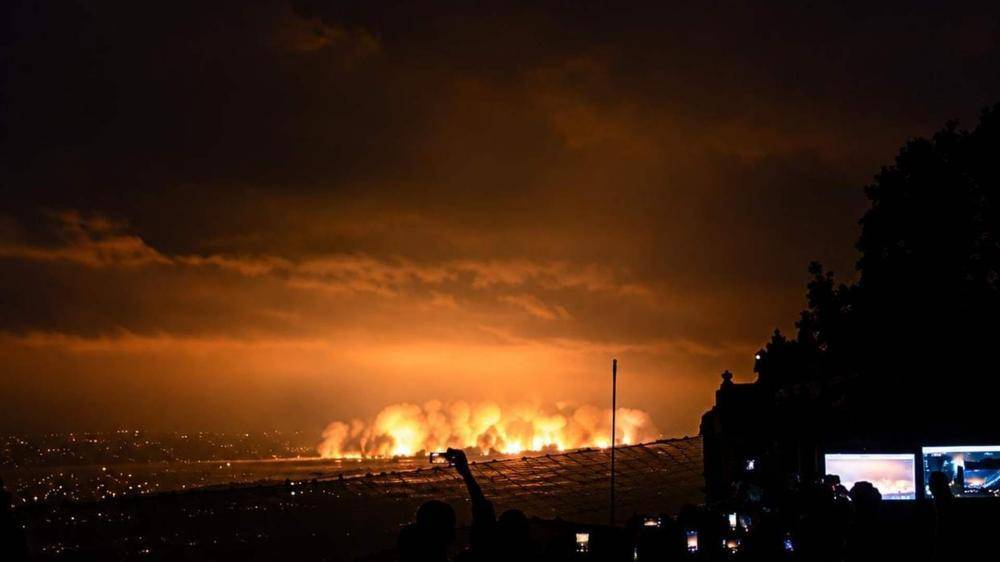
Benjamin Netanyahu and Kac said in a statement that the operation consolidated the Israeli military‘s control of the “safe zone” in southern Lebanon, and that the military will continue to deploy there to prevent Hezbollah militants from re-entering.
Israeli media reported on the evening of the 10th that before the day‘s bombing operation was carried out, local governments in northern Israel had informed local residents that the Israeli military would carry out a series of strikes and “controlled explosions” within the territory of Li, and that the sounds of the explosions might reach the local area. Later that day, residents in many areas of southern Li and northern Israel reported hearing huge explosions.