South Korean technology giant Samsung Electronics is adjusting its business layout in the United States. According to Reuters news agency on September 19, Samsung Electronics America Company (SEA) will move its headquarters from New Jersey to Texas from September, affecting 739 jobs in New Jersey, some of which were laid off. In addition to the headquarters location, about 100 people were also laid off in the Texas office. In sharp contrast, with demand for artificial intelligence (AI) rising, Samsung‘s semiconductor sector profitability is expected to reach record highs, and its business in the United States presents a clear “ice and fire” pattern.
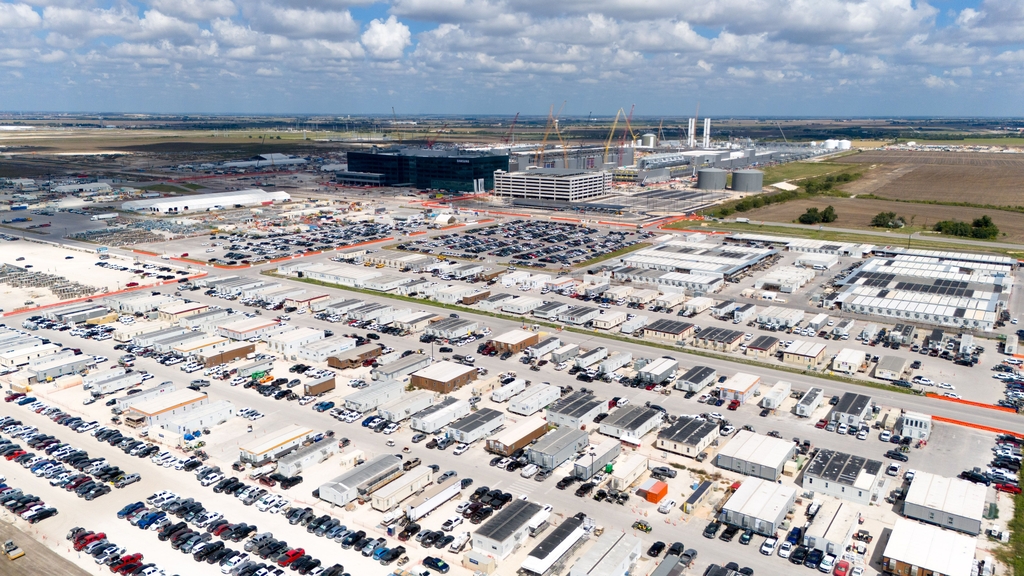
Samsung Crystal Ball Factory in Taylor County, Texas
Simultaneous layoffs in both locations
According to a statement released by Samsung, this headquarters move involves 739 jobs located in New Jersey. SEA is mainly responsible for Samsung‘s consumer electronics business in the United States, and does not include the semiconductor division. Samsung said that most affected employees have received job reassignment arrangements to move to work in Texas, but for employees who cannot accept the move, as well as some jobs cancelled due to organizational optimization, the company will carry out layoffs, although it did not announce the specific number of people.
The Korean news agency reported that the SEA has submitted a “worker adjustment and retraining notice” to the local government regarding changes in nearly 800 jobs at New Jersey offices. The system requires that U.S. companies must inform the government and employees in advance before implementing large-scale layoffs or closing workplaces.
Additionally, the SEA office in Plano, Texas, also saw layoffs. According to Reuters, the SEA had notified some employees on June 30, announcing that it would implement a “layout plan” across the company, and said that this adjustment would affect “a considerable number” of employees.
Public information also confirms this round of layoffs. Reuters said that over 30 employees have publicly stated in the past few weeks that they have been laid off or left Samsung, including several senior sales and marketing managers in New Jersey and Texas, as well as a handful of employees from other regions of the United States. However, so far, the company has not announced the final scale of these layoffs.
Distinct Situations in Different Business Segments
The change has attracted attention not only because of the layoffs themselves, but also because the headquarters move came quite suddenly. SEA only opened its new New Jersey office area last September and employed about 1,200 people there. MBC had previously reported that the lease on the office area would not expire until around 2034, but SEA decided to move to Texas by department from September this year. The “hurried” move was considered unusual.
Samsung emphasized that the purpose of this move is to promote closer team collaboration, allowing more business teams to converge in the constantly developing technology and artificial intelligence industry ecosystem, further optimizing organizational architecture and enhancing synergistic efficiency. Samsung also said that currently the consumer electronics business has not initiated a large-scale restructuring on a global scale. Many analysts believe that Samsung has this time adjusted to suit the trend of Microsoft, Amazon, and other technology companies to layoffs and shift resources to AI infrastructure. In recent years, global technology companies such as Microsoft, Amazon, and Meta have all cut some traditional business positions while investing more resources in artificial intelligence infrastructure construction. Samsung has also joined companies such as Tesla and Oracle in moving their headquarters or important businesses to Texas, where taxes are lower and the business environment is more friendly.
“This adjustment highlights the distinct divergence in Samsung’s business sectors,” IT Korea reported. With strong growth in demand for AI chips, Samsung is expected to increase its operating profit by 19 times year-on-year in the second quarter and announced plans to expand its Semiconductor fabrication plant on a large scale last month. On the other hand, the consumer electronics business, affected by increased competition from Apple and rising chip costs, may experience its first quarterly loss in the mobile business. Television and home appliances businesses also face impact from medium-sized companies such as TCL and Hyson, and their profitability continues to suffer.
Internal Employees Worry, External U.S. Pressure
However, the business adjustment has also raised concerns among employees about the future. One employee still working at SEA said there was widespread concern within the company that this round of layoffs might only be the beginning. As Samsung continues to shift resources to the semiconductor business, the future may further integrate the home appliances, home entertainment, and mobile businesses, accompanied by more layoffs. For many employees, even if they receive this shift opportunity, it means they will need to relocate and adapt to a new work environment; and those who cannot accept the move may face the risk of unemployment. As of the end of 2025, Samsung Electronics had a total of 11,770 employees in the United States, including employees in the semiconductor business.
It is worth noting that Samsung‘s recent adjustment of business in the U.S. comes at a sensitive time when the U.S. and South Korea are in conflict over the distribution of semiconductor profits. According to the Korea Times on the 16th, some industry insiders revealed that the U.S. is seeking to share the huge profits earned by Korean semiconductor companies due to the global AI chip boom, citing the strong U.S. demand for Korean chips. Although the South Korean government subsequently denied this claim, the proposal to share the “excess profits” still raised high alert in the business and political community.
The report said that so far, the focus of the United States Department of Commerce has remained on urging Korean semiconductor manufacturers to expand their semiconductor manufacturing operations in the United States, rather than profit allocation issues. The United States Department of Commerce, Howard Lutnick, recently publicly pressed Samsung Electronics and SK Hynix to build memory chip factories in the United States to align with the U.S. policy direction of promoting semiconductor supply chain localization. However, neither company has yet made specific plans to build advanced DRAM (Dynamic random access memory) or NAND (flash memory) manufacturing plants in the United States.