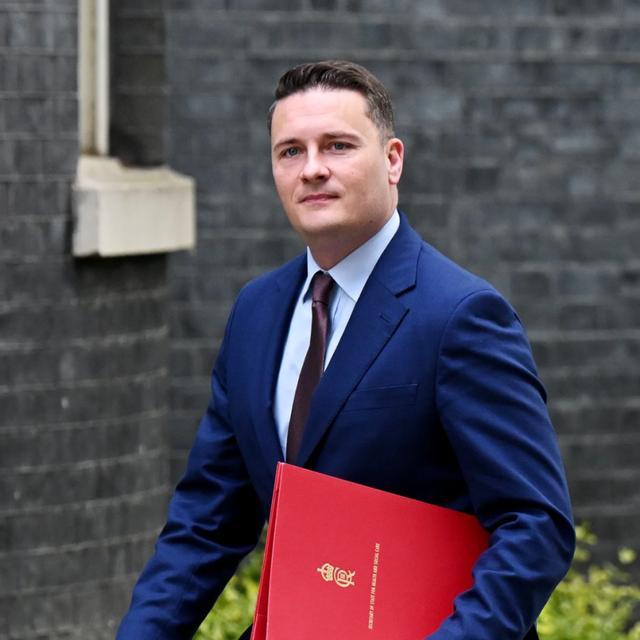
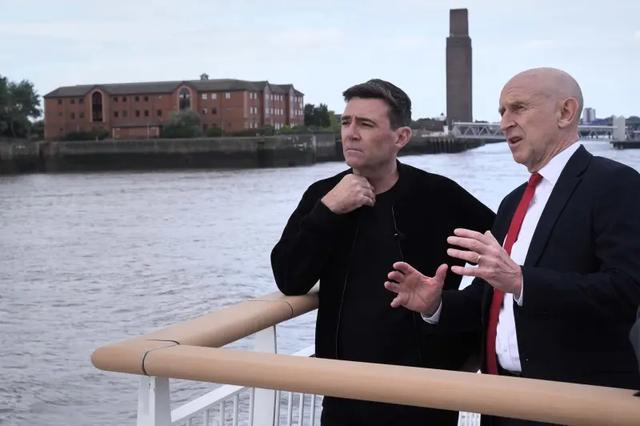
According to news on October 26, local time, the British government suddenly increased the push for the “Be Ready” operation, requiring families to store emergency supplies for at least three days. Defense Minister Wes Streeting (see photo) made it clear in multiple interviews that the current world is more dangerous and turbulent, and people need to be prepared for various crises, including natural disasters, cyber attacks, and even wars.
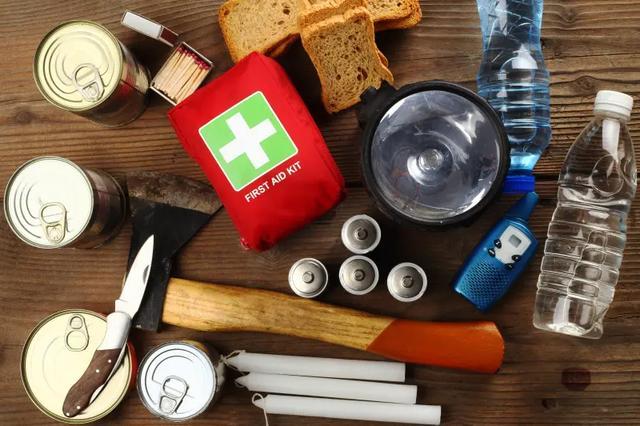
According to the report, the British government recently updated its official emergency guidelines, recommending that each household stockpile three litres of drinking water per person per day, enough canned food for three days, flashlights and spare batteries, chargers, cash, as well as items such as handheld or battery-powered radios. The official explained that these items are mainly in case of floods, wildfires, power outages, supply chain disruptions or payment systems failure.
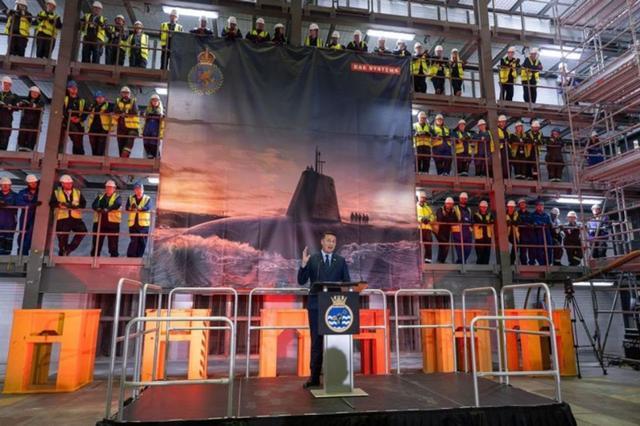
However, Strittin‘s statement made the weight of this matter significantly heavier. He said in a media interview that “we live in a more dangerous, more turbulent world” and pointed out that the capabilities of the opponent had changed. He wrote in the newspaper that by around 2030, the military strength and war economy of the countries concerned might be in a position to launch an attack, leaving Britain and its allies “only more than a thousand days” of time.
He also emphasized that the threat was not just a military invasion in the traditional sense, but also state-supported sabotage, sabotage activities, and actions aimed at disrupting daily life. He also repeatedly stated that the official position was to “stay alert, but don‘t panic.” He said stocking up on these daily necessities “is not a big requirement,” with the aim of providing families with basic protection in case of an emergency.
After the news spread, the British public‘s reaction was not uniform. Some people expressed support, thinking that in the context of increasing climate-extreme events and frequent cyberattacks, preparing ahead of time was a pragmatic move. Some people shared on social platforms their experiences of already starting to stockpile water and canned goods, feeling “prepared for no danger.” Others appeared uneasy, thinking that the government simultaneously mentioned the risk of war, easily creating a tense atmosphere. There were also voices questioning whether the government was shifting the pressure of defense preparation to ordinary families, when what really needed to be strengthened was defense capabilities at the national level.
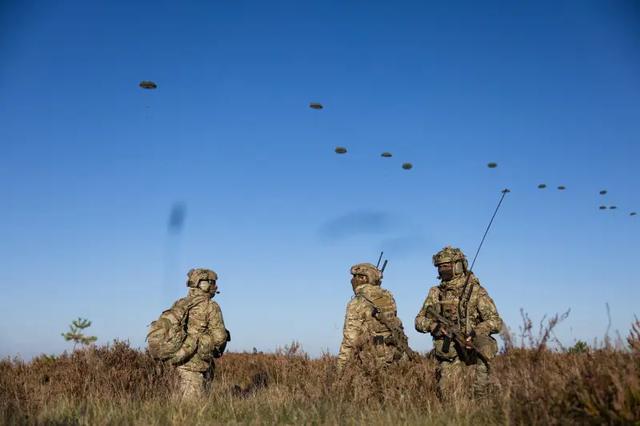
At the same time, British and French forces recently held joint military drills in Germany, demonstrating NATO‘s ability to respond to potential conflicts and further making the public feel the changes in the current security environment.
Overall, the UK‘s action was both a response to extreme weather and infrastructure vulnerabilities, as well as a clear security warning. The government was trying to promote heightened public emergency awareness without causing panic. Whether the public actually acted, and to what extent this preparation could cope with the complexities that might arise in the future, remains to be seen.