The dutch-flagged polar cruise ship“Hundius” from the Argentine port of Ushuaia recently broke out the Hantavirus during its Atlantic voyage, AP reported Wednesday, the“Andean strain” of hantavirus has been detected in sick passengers and is the only hantavirus known to have the potential for human-to-human transmission. The ship was carrying nearly 150 passengers and 70 crew members from a variety of countries. According to Reuters, the cruise ship left Cape Verde on the 6th and is on its way to the Spanish Canary Islands of Tenerife.
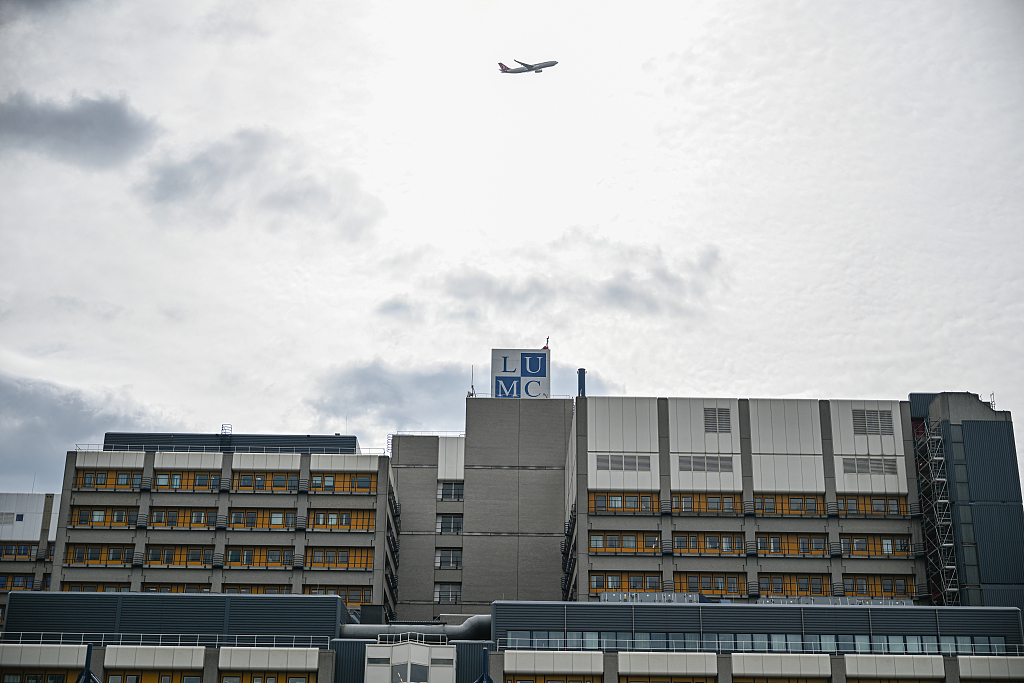
The Leiden University Medical Center in Leiden, the Netherlands, prepares for possible reception of patients aboard the cruise ship Hundius on May 6.
According to the world health organization, the“Andean strain”, which is mainly found in Argentina and Chile, has limited human-to-human transmission and usually occurs only after“Very close contact”, the incubation period can be up to 45 days. Argentine officials said that the Dutch couple who first fell ill on the cruise ship went to the southern Argentine city of Ushuaia for a birdwatching activity before boarding the ship. During the activity, the two went to a landfill site, where they may have come into contact with infected rodents. The elderly couple then boarded the ship and became the first to die on board.
Spanish health minister Monica Garcia said on the 6th, “Hundius” ship is expected to dock in three days, the current crew did not appear new obvious symptoms. Garcia said that healthy foreign passengers will be sent back to their countries after arrival, while the 14 Spanish passengers on board will be in a military hospital in Madrid for quarantine observation. On the island of Tenerife, where the ship is due to stop, some residents expressed concern. Margarita Maria, a 62-year-old resident, said there was widespread concern and that the ship should have docked elsewhere in Spain.
The World Health Organization said Sunday that there are currently 8 cases of hantavirus infection related to the“Hundius”. The latest case was a Swiss tourist who was a passenger on the“Hundius”, he returned to Switzerland at the end of April. After developing symptoms, the case was admitted to a hospital in Zurich, Switzerland, where it was confirmed and is now under quarantine. Meanwhile, the latest outbreak has been reported in Argentina itself. A case of hantavirus infection was confirmed in San Carlos de Bariloche, a famous tourist city in southern Argentina, on the 6th, Argentine news agency reported, it was not immediately clear whether the patient was linked to the cruise ship Hongdius. Argentina’s health ministry said Wednesday it had launched a domestic investigation to identify the possible source of the infection. Hantavirus cases in Argentina have been on the rise in recent years. Since July 2025, a total of 101 cases have been reported nationwide, including 32 deaths, according to a report released by the Ministry of Health. Since the beginning of 2026 alone, there have been 42 new infections in the country.
Emergency investigations and responses have been launched in several countries. There were 19 British citizens and four British crew members on board the Hundius, the Guardian reported. Two British passengers who left the ship before the outbreak are in self-quarantine and the few people who came into contact with them have been ordered to remain in isolation, the health and Safety Executive said. According to the New York Times, 23 passengers disembarked on Saint Helena Island in the South Atlantic on April 23, the American passengers are being monitored in Georgia, California and Arizona. South Africa is tracking 62 people who may have had contact with infected people, the Associated Press said. Of those, 42 have been found and all have tested negative, while the remaining 20 are still being tracked, some may have left for other countries. Maria van Kerkhov, acting director of the Who’s Department of Pandemic Preparedness and Prevention, urged the public to look at the situation objectively, saying there was no need for undue panic. “This is not the next covid-19, but it is a serious infectious disease,” she said, noting that most people will not be exposed to the virus in their lifetimes, but infected people can develop severe acute respiratory distress, need oxygen or even mechanical ventilation.
On the 5th, the Chinese embassy in Cape Verde issued a notice confirming that there were no Chinese nationals on board. In China, the disease caused by hantavirus is called“Epidemic hemorrhagic fever”, which belongs to the national legal report of Class B infectious diseases, the main source of infection is apodemus agrarius and rattus norvegicus. According to the latest authoritative monitoring data of the Chinese Center for Disease Control and prevention and related medical core journals, after decades of comprehensive prevention and control, China has successfully controlled the virus at a very low epidemic level, and the risk of human-to-human transmission is extremely low, at present, there is no public health risk of large-scale outbreaks.