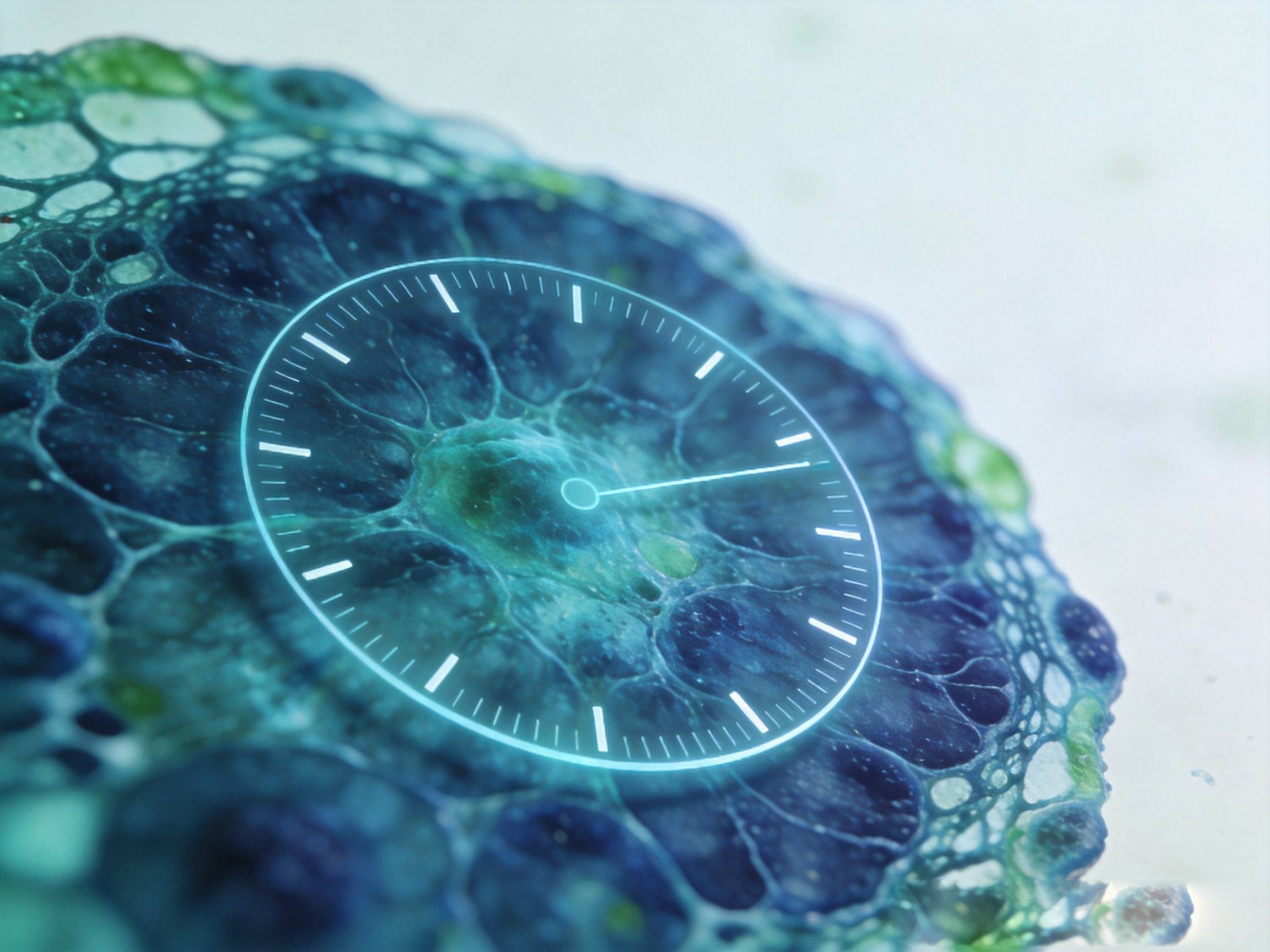
Science and Technology Daily News (Journalist Zhang Jiaxin) The research team of the Centre for Molecular Medicine Research at the Austrian Academy of Sciences and the Ludwig Boltzmann Institute for Networking Medicine at the University of Vienna developed an artificial intelligence (AI)-based “tissue clock” that can predict the biological age of human organs from histological images, and tissue aging information can also be detected through blood samples. This provides a new framework for understanding the aging process and opens up new avenues for disease monitoring and early diagnosis. The relevant paper was published in the journal Nature · Medicine on 14th.
Some people seem to age more slowly than their peers, while others seem to “run ahead of their age,” aging faster. Why do these differences occur? Can one measure the difference between the age on an identity card and the biological age of each organ?
To answer these questions, the team used data from the Genotype-Tissue Expression (GTEx) project to analyze 40 tissue types from 983 people, including brain, heart, lungs, pancreas, skin, and intestines, resulting in a total of 25,712 high-resolution histological images. Using deep learning model analysis, the team found that among the 40 tissues, age is one of the most important factors affecting tissue appearance.
Based on this finding, the team developed “tissue clocks” for different tissues that can predict the biological age of organs based on tissue microstructure. The average prediction error of these models was 4.9 years, and the predicted biological age was closely correlated with known aging indicators such as telomere shortening, tissue pathology changes, and the number of chronic diseases.
Research has found that organs in the human body do not age at the same rate. Tissues such as lungs, kidneys, pancreas, and adrenals show more obvious signs of accelerated aging between the ages of 20 and 40, while some tissues show accelerated aging at a later stage. The aging trajectory of the uterus is particularly obvious, showing significant changes before and after menopause. Kidney failure is associated with accelerated aging signals in multiple tissues, and diabetes has a particularly obvious impact on pancreatic tissue.
Since direct access to organ tissue usually requires biopsy, researchers further explored whether tissue aging information could be “read” through blood samples. They correlated the biological age obtained from tissue images with blood gene expression data from the same individual, establishing a model based on blood samples to predict the biological age of specific tissues.
The results show that these models can identify tissue aging patterns associated with diseases such as Alzheimer‘s disease, Crohn’s disease, cystic fibrosis, vascular inflammation, diabetes, and stroke.