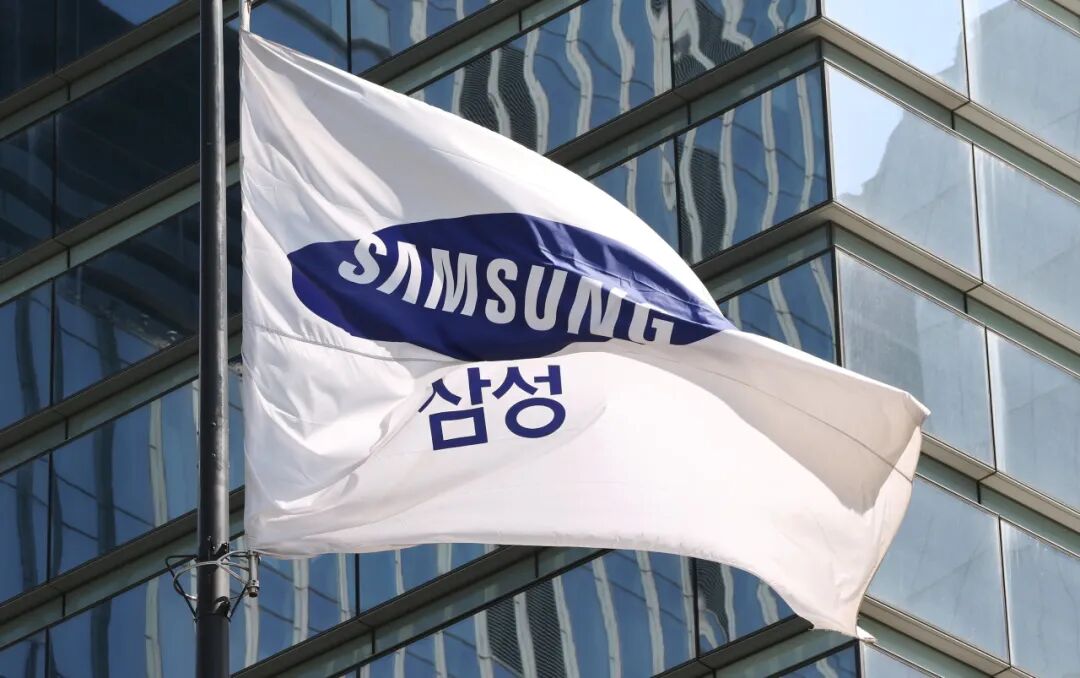
Samsung Electronics, one of the world’s leading memory chipmakers, is on the brink of a general strike. The Samsung Electronics Union said it would start an 18-day general strike on May 21 after labor talks failed on May 13. Yonhap news agency reported on the 13th that this may cause a loss of 40 trillion won (about 182 billion yuan) , and hurt the semiconductor industry, the government may consider exercising emergency adjustment rights. South Korea’s vice prime minister and Planning Minister Yoo Yun-chol 14 on the possible strike expressed concern, “If the Samsung Electronics Union Strike, South Korea’s economic growth, exports and markets will pose a major risk.”
The 17-hour-long negotiations were inconclusive
According to reports, more than half of Samsung electronics employees joined the“Inter-enterprise Union” and management from 10 am on the 12th to 3 am on the 13th for 17 hours of negotiations, but failed to reach an agreement. The strike will go ahead as planned after the union’s demands for transparency and an end to caps on bonuses were not accepted. So far, 41,000 union members have indicated their willingness to join the strike.
The root cause of the Samsung Strike is discontent over the distribution of performance-related bonuses. Samsung Electronics achieved rapid growth in the first quarter of this year, but according to the company’s rules, employees’ performance bonuses are capped at“50% of their annual salary,” the joongang Ilbo reported, as a result, employee performance bonuses do not match the company’s performance growth.
Samsung Electronics recorded a record first-quarter operating profit and sales of 57.2 trillion won in the first quarter of 2026, up 755 percent from the same period a year earlier, while sales rose 68.1 percent, the data showed, 133 trillion won.
‘could hit global semiconductor supply chain’
There are concerns about the knock-on effects of a Samsung strike, especially in the semiconductor sector. “Chosun Ilbo” analysis on the 14th that this is mainly due to the semiconductor industry not only accounted for a large share of South Korea’s export market, accounting for 37.1% of total exports in April, but also crucial to South Korea’s economic growth, it accounted for 55% of GDP growth in the first quarter.
The Samsung Electronics Union estimated that the 18-day strike could cost tens of trillions of won in lost operating profits and additional expenses to resume normal operations after the strike.
“This is due to the nature of the semiconductor process.” Production lines in industries such as cars were able to resume immediately after the strike, but once semiconductor wafers were put into production, the report said, it goes through a complex sequence of steps such as etching and coating. Even if the production process is interrupted only briefly, all the wafers on the production line must be scrapped.
The American Chamber of Commerce in South Korea expressed concern about the Samsung Electronics Union strike, warning that any disruption to production could hit the global semiconductor supply chain. “Samsung Electronics plays a vital role in the global semiconductor ecosystem, particularly in the production of storage semiconductors, which are essential in areas such as artificial intelligence infrastructure, cloud computing, advanced manufacturing, automotive technology and energy,” it said in a statement. Any significant production disruption or operational uncertainty at Samsung Electronics could put additional pressure on the global storage semiconductor market and could exacerbate supply bottlenecks, price volatility, procurement uncertainty and broader supply chain instability.”
South Korea’s prime minister calls emergency meeting
“Considering the proportion of the semiconductor industry in the South Korean economy, the Samsung Strike is no longer just a labor dispute within an enterprise, but is becoming a major risk that will shake the entire South Korean economy,” the joongang Ilbo reported on the 11th, shin Chi-yun, chairman of the Board of Samsung Electronics, has warned that if the strike becomes a reality, “It will lead to a reduction of tens of billions of dollars in exports, a reduction of tens of trillions of won in tax revenues and a decline in the gross domestic product due to induced exchange rate appreciation, with a serious impact on the national economy.”.
Amcham-korea shares the view that labour market uncertainty undermines South Korea’s reputation for stability and reliability in manufacturing, technology and supply chains, as well as its position as a key regional business hub.
Based on the multiple concerns, the South Korean government on the 13th under the chairmanship of Prime Minister Kim Min-seok held an emergency ministerial meeting to discuss the direction of response. “In any case, we must actively support continuous dialogue between employers and employees to avoid the situation developing into a strike,” Kim told authorities.
South Korean media reported that it was now time for the government to consider direct intervention in the strike, including the use of“Emergency adjustment powers”. Once the emergency adjustment power is activated, the trade union must immediately cease the contentious action, not resume the contentious action for 30 days and accept the conciliation and arbitration procedure of the Central Labor Relations Commission. So far, there have been only four cases in South Korea where the right to emergency adjustment has been invoked.