On March 5, the US Trade Representative’s office began a four-day hearing on the 301 investigation against 16 economies, including China, the European Union, Japan and South Korea, launched by the US government in March.
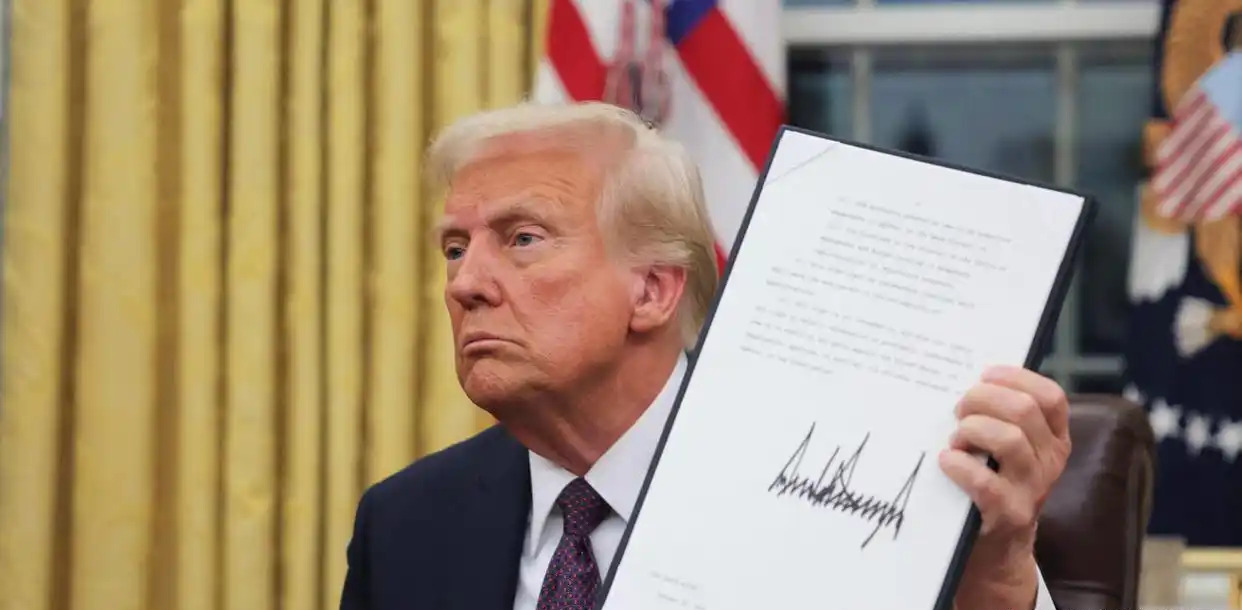
According to Hong Kong’s South China Morning Post and Reuters, the hearing will hear testimony from nearly 150 representatives of companies, trade groups, foreign governments and think tanks. Zang Qingzi, a representative of the China Council for the promotion of international trade, asked the U. S. side to terminate the investigation at the meeting on the 5th. “The investigation lacks sufficient legal basis and evidence to support it, and it bypasses multiple established multilateral mechanisms,” she said, rather than government actions, the US should pinpoint specific government actions, not just the overall economic outcome.
South Korea has also called for an end to the investigation. “The overcapacity investigation into South Korea is neither appropriate nor necessary,” said Lee seung-hyun, commercial counsellor at the South Korean embassy in Washington
Meanwhile, a clear rift emerged between US business and agricultural groups over the probe. Groups like the Steel Manufacturers Association have urged the administration to impose tariffs to stem the impact of imports from China and other countries. Agricultural and retail industry groups urged caution. The American Soybean Association, which represents more than 500,000 soybean farmers, said in testimony that US soybeans had been hit by retaliatory tariffs due to trade friction with China. John Walton, an Iowa soybean farmer and vice president of the Association, is concerned that the new section 301 investigation could lead to trade remedy measures and hinder the progress of u.s.-china negotiations. The n footwear distributors and retailers association also said footwear imports already face an average tariff of 12 percent and should not burden consumers further with new tariffs.
On February 20, the U.S. Supreme Court ruled that the U.S. government’s tariff policy was illegal. On March 11, the US government launched a 301 investigation into 16 economies, including China, Japan and South Korea, to try to impose new tariffs on the grounds of“Overcapacity”.