According to the Hindustan Times and other print media, the recent outbreak of Nipah virus in West Bengal, eastern India, has already caused 5 infections, and nearly 100 others have been placed under home quarantine measures. This Nipah virus outbreak has already aroused the vigilance of many surrounding countries. At present, Nepal and Thailand have both taken measures to strengthen quarantine tests at airports and border crossings.
According to the Indian media, two medical staff members at a private hospital near Calcutta in West Bengal were the first confirmed patients in this outbreak. Between December 31 last year and January 2 this year, both developed high fevers and respiratory difficulties. One of the nurses may have contracted the Nipah virus after drinking raw date juice at a village wedding, so infectious disease experts are worried that “fruit bats often contaminate during raw date juice collection.”
The Nipah virus first broke out in Malaysia in 1998, followed by multiple outbreaks in South Asia, Southeast Asia, and other places. India first broke out with Nipah virus infection in 2001, with a total of 66 suspected cases and 45 fatal cases. Subsequently, in 2007, 2018, and 2021, the virus broke out multiple times, all with fatal cases.
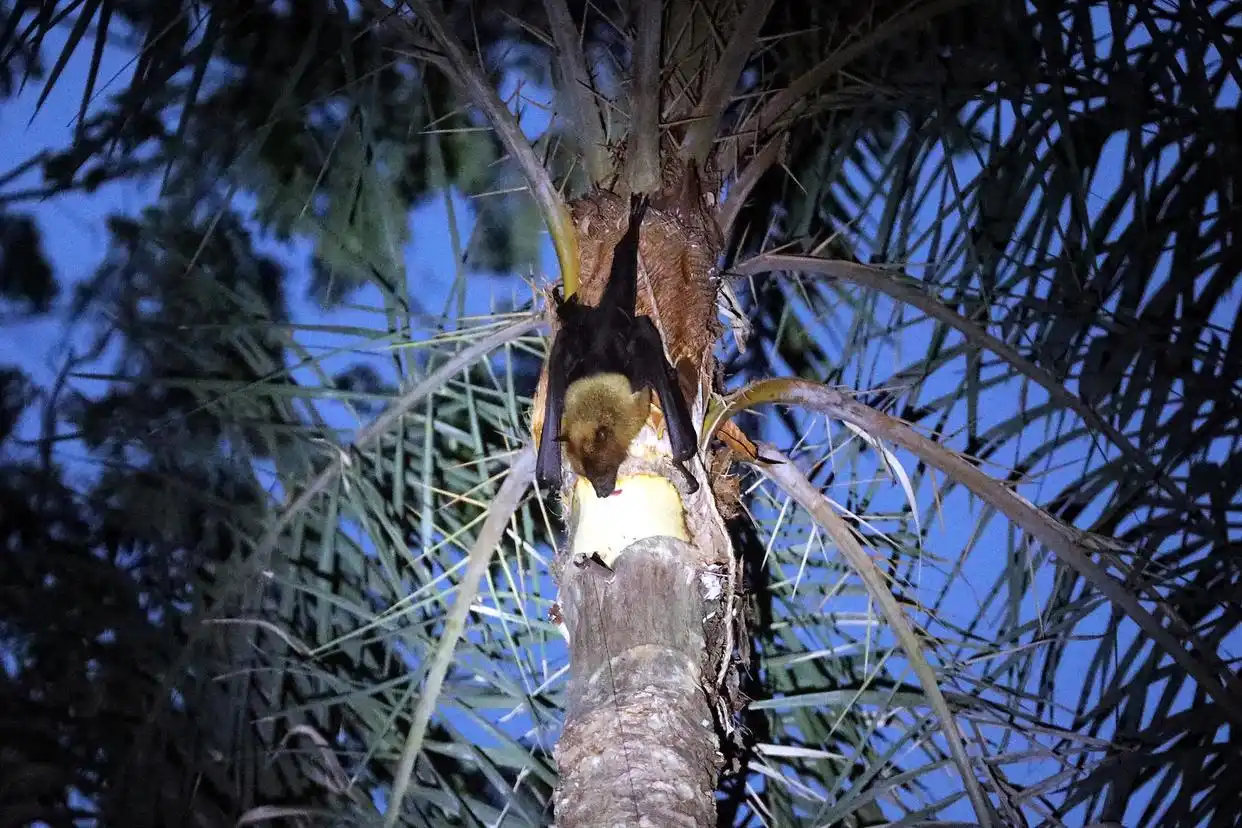
Epidemiological investigations of the outbreak events in Malaysia found that bats contaminated fruits by eating, biting, excreting secretions, pigs became naturally infected by eating virus-contaminated fruits, and slaughterhouse workers became infected by direct contact or respiratory inhalation of the excretions or secretions of sick pigs as intermediate hosts for the virus, followed by interpersonal transmission by direct contact or aerosol. The outbreak investigation report in Bangladesh indicated that humans can be directly infected with the virus by eating virus-contaminated raw palm juice, without the need for intermediate hosts. Interpersonal transmission mainly occurs between hospital staff, caregivers, and family members, i.e., in-hospital transmission.
While there is strong evidence that fruit bats are the natural hosts of the Nipa virus, there is also growing evidence that the virus is rapidly adapting to other hosts with different modes of transmission. In just a few years since its first discovery, the Nipa virus has spread to humans through pigs, horses, and bats, then rapidly spread from person to person. While infections caused by single spillovers may be limited to small isolated outbreaks, repeated spillovers of pathogens with potential for cross-human transmission may lead to larger outbreaks.
Domestic experts told the Global Times that the Nipah virus can cause zoonosis, can spread from person to person, has a strong recurrent outbreak epidemic capacity and high mortality rate. This virus mainly attacks the respiratory system and central nervous system, causing acute fever, headache and various degrees of consciousness impairment, with a mortality rate of 40% to 75%. For this virus, there is currently a lack of effective preventive vaccines and effective antiviral drugs, and treatment mainly relies on systemic symptom-supporting therapies. Previous cases have shown that the human-to-human transmission of the Nipah virus is mainly through hospital-internal transmission of infections, with infections resulting from single spillover events likely limited to small isolated outbreaks.
The relevant officials of China‘s National Disease Control Agency said that at present, no cases of Nipah virus have been discovered in our country. Based on comprehensive studies, the impact of this Indian Nipah virus outbreak on our country is relatively small. Our disease control departments are closely monitoring the dynamics of overseas outbreaks, and will conduct timely risk assessment and prepare well for various pandemic responses.