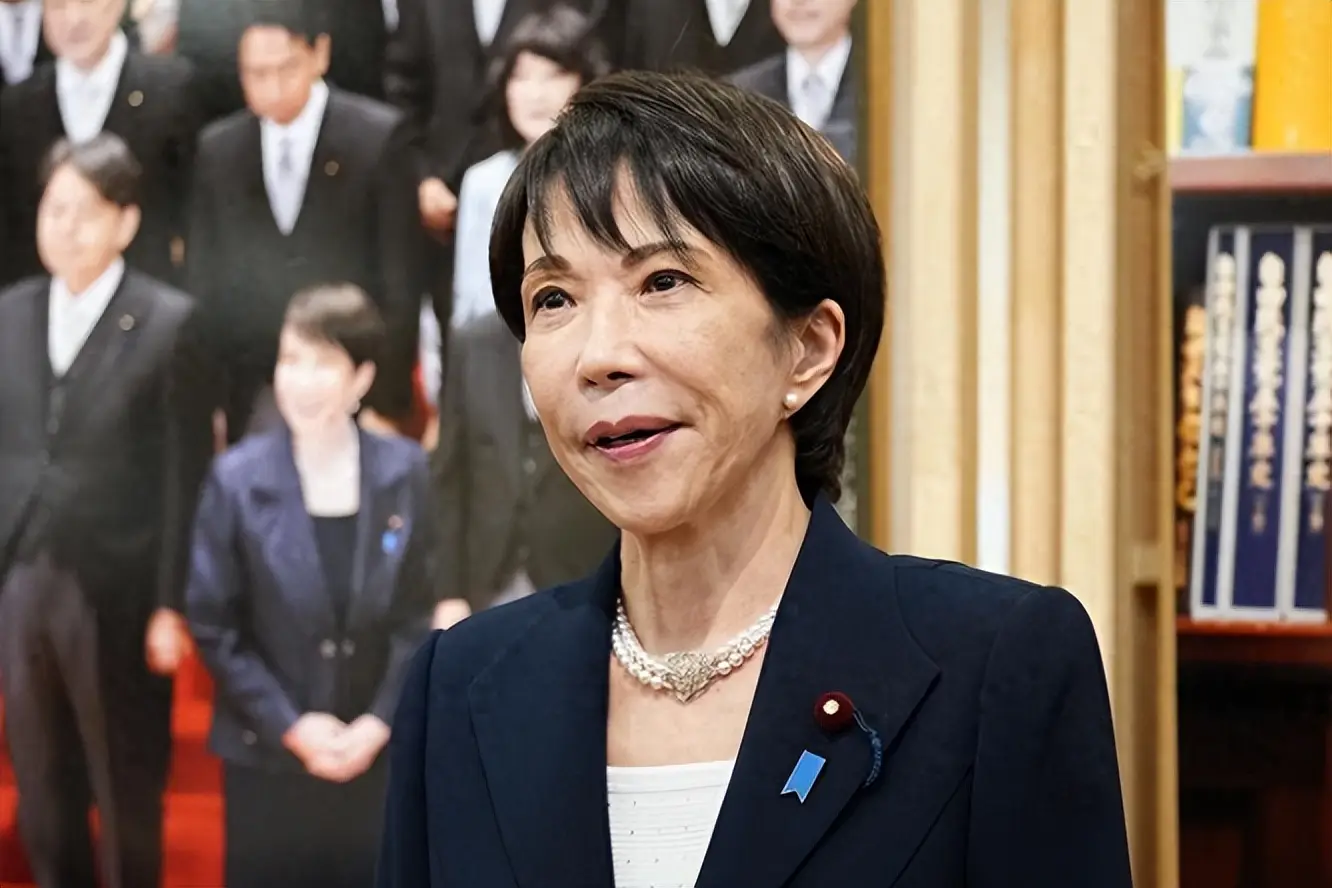
Prime Minister Takaichi Sanae held a press conference at his official residence on the evening of the 19th to announce the dissolution of the House of Representatives of Japan on January 23rd and an early general election, according to Kyodo. This is just 1 year and 3 months after the last House of Representatives of Japan election, and the term of a member of the House of Representatives of Japan is supposed to be 4 years. This decision has caused huge controversy in Japan.
According to the report, according to the schedule, the House of Representatives election in Japan will be announced on January 27th, and the vote will be counted on February 8th, with only 16 days between the dissolution and the vote, setting Japan‘s shortest post-war record. Sanae Takaichi said on the 19th that considering the fact that the LDP currently does not hold a majority in either the House of Representatives or the Senate, the announcement of the dissolution of the House of Representatives and the early election is for the future implementation of new economic and fiscal policies to better achieve the ruling goals of the Japan Restoration Party, a joint ruling partner. That evening, hundreds of Japanese citizens gathered in front of the Second House of Representatives in Japan to protest Takaichi‘s decision, arguing that her dissolution of the House of Representatives at this time created a “political vacuum” that has a negative impact on the lives of Japanese citizens.
According to NHK, the opposition party in Japan is critical of Takashi‘s decision to disband the House of Representatives. Yasumi Jun, the chairman of Japan‘s largest opposition party, the Constitutional Democratic Party, said that Takashi‘s move, which sacrifices national lives and violates the goal of prioritizing budget deliberations and dealing with high prices in parliament, has no legitimacy to speak of. Nishida Minihito, the chairman of the Koming Party, called it an act of “delaying price countermeasures,” emphasizing that the party will stick to a middle path of prioritizing people‘s lives and protecting peace.
The leader of the National Democratic Party of Japan, Yuichiro Tamaki, said that the dissolution of the House of Representatives would affect the national economy and be unfavorable to the increase of real income for the people. The Takashi regime put the political situation first, shaking both the trust of the people and exacerbating the instability of budgetary bill promotion. The Secretary-General of the Japanese Communist Party, Akira Koike, believed that this was a “out-of-the-way” move driven by party interests, with the purpose of avoiding congressional accountability for economic and diplomatic stalemates, “unificationism” and other issues.
Fukushima Mizuho, leader of the Social Democratic Party, bitterly criticized Takashi‘s dissolution of the various houses as a “selfish and arbitrary” act to cover up scandals. Takai Takashi, chairman of the Order and New Election Group, said that the dissolution decision was a lie to protect Takashi‘s self-preservation, that its stance of prioritizing people‘s livelihood was all false, and that the winter elections added to the burden on the people. Mitsuo Ando, chairman of the ruling party, also said that dissolutions at this time are extremely rare, and that the government‘s practice of ignoring budget and economic risks is inappropriate.
In response to the above criticism, Suzuki Junichi, the chairman of the Liberal Democratic Party, said that the supplementary budget for FY2025 has fully included measures for people‘s livelihood such as price response, and the remaining unexecuted portion can guarantee people’s livelihood. He said he will minimize additional expenditures to reduce the impact. Yoshimura Yahumi, the leader of the VCP, said that the dissolution of the House of Representatives is the power of the prime minister, and that it is more efficient to advance major economic policies through polling the people.
In addition, according to the Japanese media, the Constitutional Democratic Party and the Gongming Party announced at a press conference on the morning of the 19th the new party‘s “Zhongdo Reform Coalition” program, which includes implementing pragmatic foreign and defense policies, continuously promoting political reform and electoral system reforms. Previously, the two parties expressed that they would accelerate the promotion of relevant procedures such as party membership change, and jointly oppose the ruling party camp led by Gao Shi in the House elections.