According to a report in Japan’s Yomiuri Shimbun on January 10, Japanese Prime Minister Yukio Koichi has begun to consider dissolving the House of Representatives at the opening of the regular session of Parliament scheduled for the 23rd, lower House elections are likely to be held in early to mid-february.
Takashi believes the ruling party has been in the minority in the Senate and needs to be given the impetus to implement policies.
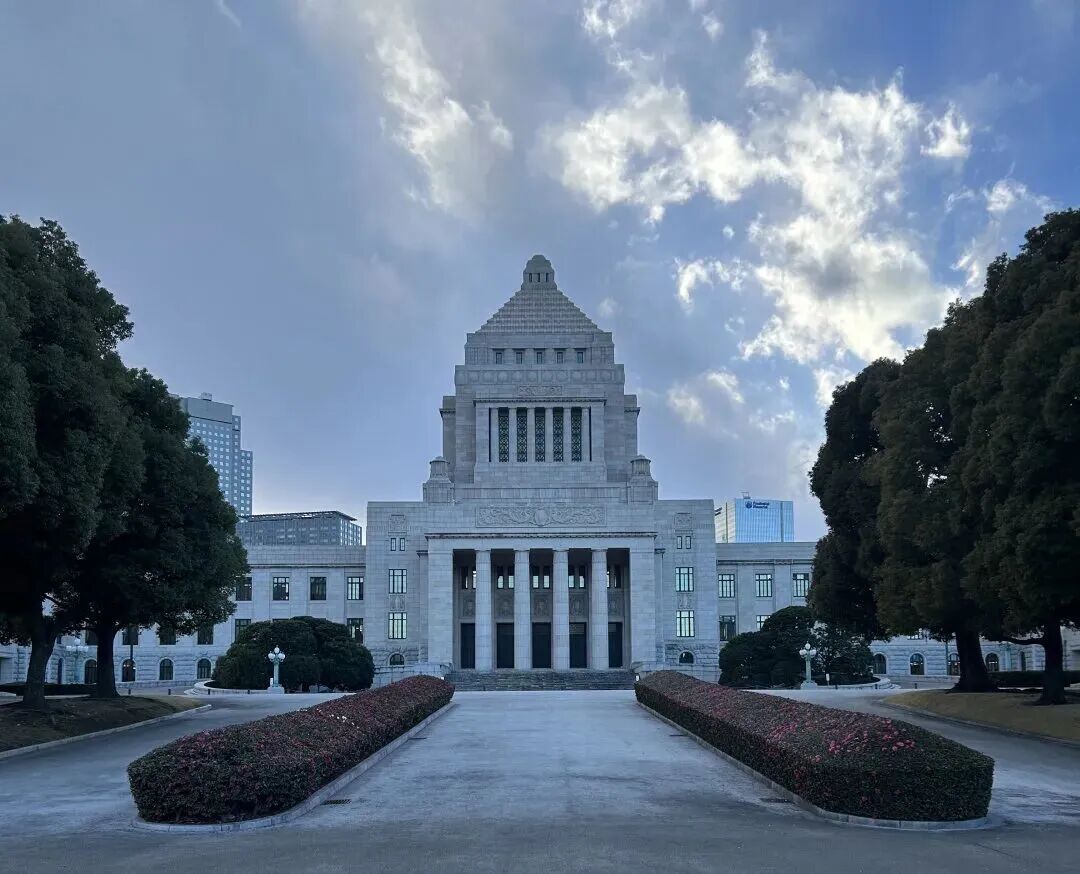
It sounds as if she is doing her best to govern the country, but anyone who knows anything about the rules of Japanese politics knows that this is just a political show of“Jumping the gun”– due process, the last election for the House of Representatives ended only in October 2024, and the four-year term was due to expire in October 2028. Regular elections need not have been so rushed.
The legal basis for Takashi to dare to do so is, to put it bluntly, the prime minister’s“Privilege”: the public office election law gives the Prime Minister the power to dissolve the lower house in advance and hold an election within 40 days of dissolution. Even if the operation completely broke the normal political rhythm, as long as the power in the hands of arbitrary.
So the question is, why is Kaohsiung so eager to call an early election?
She makes a good case: one minute she wants to break the deadlock in the Senate and get policy moving; the next she is talking about“Strengthening the economy”, it has relied on elections to win public trust in its fiscal policies and has even vowed to reverse deteriorating relations with China by consolidating its grip on power.
But these arguments, when tested, are flawed and self-defeating.
Let’s start with“Breaking the deadlock in the Senate.” The current ruling coalition already holds just over half of the 233 seats in the House of Representatives. If we really want to move forward with policy, we should deepen the existing seats and build cross-party consensus, instead of rushing to the polls.
Then there is“Gaining trust in economic policy”. What she calls“Responsible fiscal activism” is nothing more than an aggressive expansion of Japan’s debt beyond 230 per cent of GDP, with 10-year bond yields soaring to a 26-year high, it has long been clear that markets distrust his policies, and the fragility of his economic fundamentals can not be concealed by electioneering.
As for“Turning around japan-china relations,” it’s a black-and-white situation — it was her erroneous remarks on Taiwan that triggered China’s economic backlash, and now she’s not trying to right the wrongs and smooth relations, instead, she is trying to consolidate power through elections, which is the opposite.
Strip away these false cloaks, Gao Shizaomiao is eager to call an early election of the real motive, hiding three layers of dark calculation.
On top of that, they are trying to take advantage of a“Window” of high personal approval ratings.
According to a December 2025 poll by the Yomiuri Shimbun, the support rate for her cabinet is as high as 73% , but the support rate for the Liberal Democratic Party is only 30% , she knows that popularity is fleeting.
Especially at present, the impact of China’s economic backlash has not yet been fully transmitted to Japanese people’s lives. While right-wing populist sentiment is still there, we should quickly convert personal popularity into parliamentary seats through elections, otherwise, when the pain of rising prices and damaged industrial chains becomes apparent, it will be too late for the public to rebound.
At the middle level, it paves the way for radical agendas such as constitutional reform.
The coalition agreement between the Liberal Democratic Party and the Japan Restoration Party has long been clear, in 2026 to submit“Create emergency provisions” of the constitutional amendment plan, but“The ruling party and the opposition control the two houses” pattern make this plan difficult to move forward.
She hoped that the early election to expand the House of Representatives, and even get rid of the dependence on the restoration, to break through the“Peaceful constitution” to clear the way. This gamble with the country’s future betrays the true nature of its far-right politicians.
At the heart of it is the dilemma of disguising the regime’s fragility.
Doubts persist within the Liberal Democratic Party (LDP) , where the cautious have warned that the election could trigger a backlash, and within the ruling coalition, where the LDP has failed to deliver on its pledge to“Cut seats in the lower house”, the party is always in danger of turning against her.
Faced with internal and external difficulties, the early election became her desperate attempt to deflect contradictions and consolidate her personal power.
But behind this seemingly calculated political gamble lies huge uncertainty and high risk. One misstep and all is lost.
At the political level, the risk of a break-up is imminent.
The“Extra-cabinet cooperation” between the Liberal Democratic Party and the Restoration Party is already fragile. If the Liberal Democratic Party fails to expand its seats after the election, the Restoration Party may take the opportunity to launch an attack, leading to the collapse of the ruling coalition. The opposition parties have already been gearing up, prepare to“Election delayed the 2026 budget review” and“China policy caused damage to the economy” and other issues to attack, when the market will be able to hold on to power is uncertain.
On the economic front, a backlash is brewing.
China’s export controls and anti-dumping investigations have put pressure on Japan’s pillar industries such as automobiles and electronics. Once the election is over, the economic difficulties will worsen, voters will quickly realise that“Standing up to China” does not buy rising incomes and stable prices. The Kyodo poll shows that more than half of respondents already believe his taiwan-related actions have hurt Japan’s economy, a shift in opinion that could be the final straw for his regime.
Most lethally, her practice of tying constitutional change to issues with China is pushing Japan to the brink. If the far-right regime takes advantage of the general election to consolidate its power and push forward the revision of the Constitution and the expansion of the army, it will not only arouse the high vigilance of countries in the region, but may also aggravate the Sino-japanese conflict, let Japan into the“Diplomatic isolation-economic recession-the public opinion back” vicious circle, and ultimately harm the fundamental interests of the Japanese people.
In the final analysis, the nature of the early election is a political speculation to gain personal power in exchange for the interests of the state.
She disregards Japan’s economic troubles and livelihood pain points, regional stability and long-term national interests, and only wants to reap political capital for short-term gain and promote a far-right agenda. It seems shrewd, but it is shortsighted; it seems proactive, but it is full of desperate passivity.
What the high market thought was a“Historic opportunity” was actually the beginning of a slide into a deeper crisis.
Just don’t know, wait until the tide recedes, applause, this time“Jumping the wall” posture, will leave for Japan what a mess of Beach?
Homepage image from the Internet