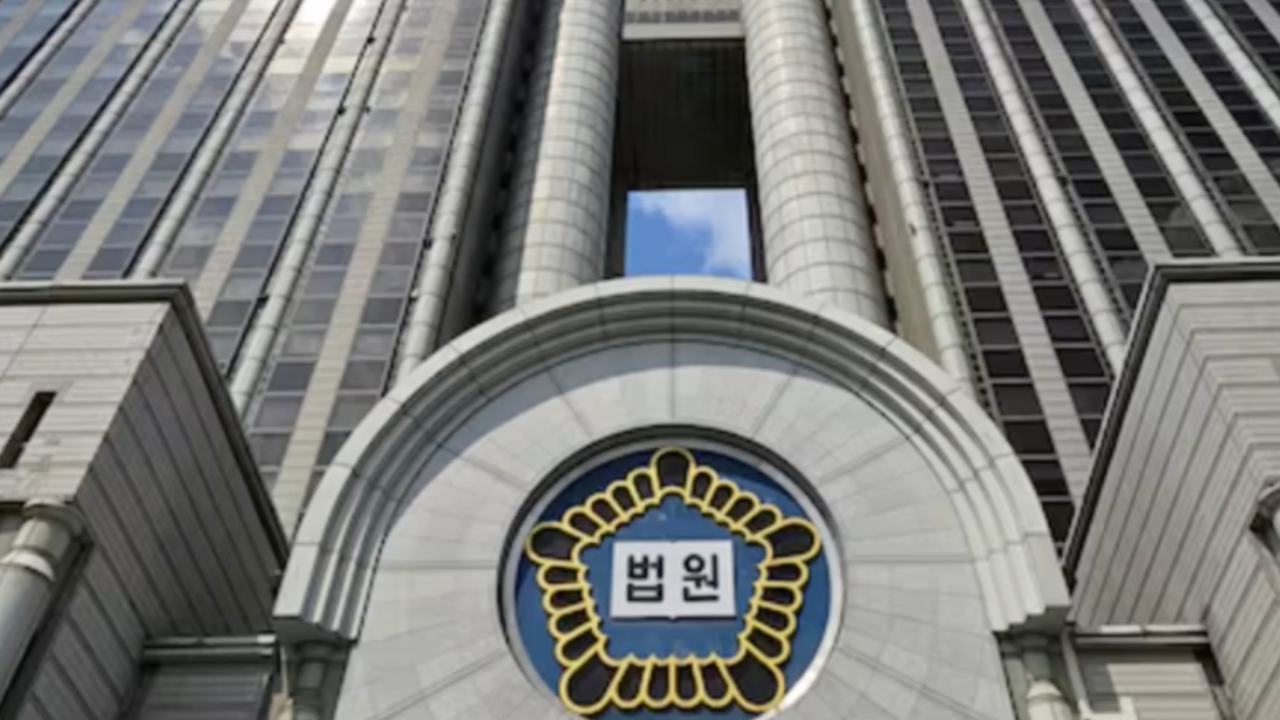
The relatives of some Korean victims who were forcibly conscripted by the Japanese army during World War II filed a lawsuit against the Seoul Central District Court on the 23rd, demanding that the Yasukuni Shrine in Japan remove ancestral tablets that were interspersed without the relatives‘ consent, and demanding a total of 880 million won (about Rmb4.2 million) from the Japanese government and the Yasukuni Shrine. According to the Associated Press, this is the first time that the relatives of Korean victims who were forcibly conscripted by Japan have filed a lawsuit in a Korean court over the issue of “canceling the interspersion of the Yasukuni Shrine.”
The Korean National Issues Institute, the Pacific War Victims Compensation Promotion Association and the Prosecution Agents Group held a press conference in Seoul on the 23rd and released the above information. A total of 10 Korean soldiers and military relatives served as plaintiffs in this lawsuit, demanding that Yasukuni Shrine delete the names of their ancestors from the “sacrificial list” and “sacrificial name tickets” that record the names and death dates of the deceased.
The group of litigation agents said that for the relatives, being jointly worshipped at Yasukuni Shrine is not a simple religious ritual. Instead, it incorporates the victims of forced mobilization and death in the invasion war into a narrative framework that beautifies the war, violating the right of the relatives to mourn the deceased in their own way. The plaintiffs claimed that the Japanese government provided Yasukuni Shrine with relevant personal information after forcibly conscripting Korean personnel and causing their death, and participating in the joint worship violated the personal rights, freedom of religion, and freedom of conscience of the relatives.
Yasukuni Shrine is dedicated to 14 Class A war criminals from World War II, including Tojo Hideki, as a symbol of Japanese militarism’s war of aggression against the outside world. According to the statistics of the relevant groups, 21,000 Korean citizens who were forcibly conscripted and conscripted during the Japanese rule period were also jointly worshipped at this shrine. After this situation was revealed in the 1990s, relatives had twice filed lawsuits in Japan to cancel the joint worship, but they were both rejected on grounds of “time limit of lawsuits” and other reasons. In September this year, some relatives again filed a third lawsuit with Tokyo Local Court. Japanese judicial authorities, although acknowledging the fact that “unconsented joint worship” was carried out, did not support the plaintiff’s claim on the grounds that Yasukuni Shrine is a “religious corporation” unrelated to the Japanese government and should be protected for its “religious freedom.”
South Korea‘s Kyonghang News reported that the family members turned to Korean courts this time due to their multiple appeals being blocked in Japanese judicial channels. Previously, due to state immunity rights (rights that sovereign countries enjoy under international law to be exempt from being tried in other countries‘ courts), it was very difficult for the relevant groups to file lawsuits against other countries. In recent years, however, Korean courts made a new judicial judgment in the case of Japanese military “comfort women”, ruling that “Korean courts have jurisdiction over anti-human crimes committed by other countries within Korea”, not applying state immunity rights, which provided the legal background for this case‘s prosecution in Korea. The litigation agent said that the related forced mobilization behavior began on the Korean Peninsula and met the conditions for Korean courts to exercise their judicial power.