According to the recent “Monitoring Situation at National Acute Respiratory Infectious Disease Outposts (2025, Week 48)” released by China‘s Centers for Disease Prevention and Control, the flu-like cases at the national emergency department had a flu-positive rate of more than 51%, entering a high epidemic level overall.
In this context, the rapid spread of the influenza pandemic directly led to a surge in demand for anti-influenza drugs. Data from Ali‘s health platform showed that in the past two weeks, the number of people buying anti-influenza virus drugs increased by more than 500% compared to the previous year. Among them, Marbalosawe‘s performance was particularly outstanding, with the number of people buying increasing by more than 600% compared to the previous year, leading the pace of growth.
At the same time, with the arrival of the high-incidence period of influenza, the pharmaceutical market also experienced significant growth. Demand for respiratory products under companies such as Nortel Biology (688076.SH), Kangyuan Pharmaceuticals (600557.SH), and Hua Run San Jiu (000999.SZ) have significantly increased recently, with some varieties experiencing supply constraints.
Market analysis argues that from recent market performance, pharmaceutical companies, represented by respiratory disease medications, generally face a surge in demand. Not only is it expected to directly enhance corporate performance, but through the synergistic effect of the product matrix, it provides important support for companies to maintain robust growth in complex market environments.
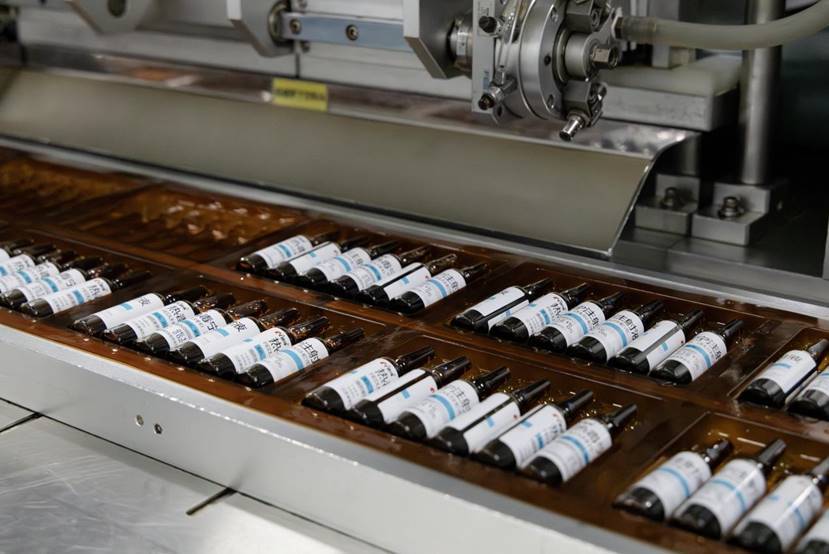
Demand for products under multiple pharmaceutical companies significantly increases
Regarding the judgment of the peak period of influenza, at the press conference of the National Health Commission, Wang Dayan, a researcher at the Chinese Centre for Disease Prevention and Control, introduced that according to the latest monitoring situation, it is expected that the whole country will likely reach its peak in mid-December. The H3N2 subtype influenza virus type A still dominates the epidemic, accounting for more than 95%.
At the same time, the flu drug market has also experienced a significant increase in demand. Oxytocin and Marbalosave have increased demand for the two major drugs, but resistance and side effects have also caused widespread concerns. In addition, several domestic flu-resistant innovative drugs have been released one after another. Inhe Pharmaceutical (000650.SZ) has already launched a priority supply mechanism for demand-rich drugs; dagavikon (301126.SZ) flexibly adjusts production capacity according to market demand.
Kangyuan Pharmaceuticals showed strong product synergy in this flu cycle. Core varieties such as thermotoxine injection, Jin Zhengu oral fluid, apricot shell cough pill, decongelation wet pill, and silver vichyola hot tablets form a full-range coverage from acute fever to recovery stage cough.
In particular, Jin Zhengu is a child-specific Chinese medicine that has recently been clinically approved for a new “child influenza” adaptation. Its role in inhibiting influenza virus, regulating gut microbiota and immune function has been supported by multiple studies. Thermovenin injections have also been included in multiple influenza and pneumonia-related guidelines, becoming commonly prescribed drugs for emergency and fever outpatient clinics. The company said that demand for related products has rapidly rebounded over the past four quarters, and is securing supply through tightening emissions.
Overall, in years when respiratory diseases are interwoven and the symptom structure is more complex, the range of use by pharmaceutical companies at the clinical end has further expanded. Many pharmaceutical companies have long-accumulated product systems and evidence-based research in the field of respiratory diseases, allowing them to show strong adaptability during this winter‘s disease season.

Classical medicines and innovative therapies in parallel
Currently, our flu drug market is undergoing a profound reshaping, accelerating from a single market dominated by neuraminidase inhibitors (represented by ostave) to a new era in which “classical drugs and innovative therapies go hand in hand”.
Monitoring on Meituan‘s drug-purchasing platform showed a sharp increase in demand for Chinese medicines such as Jin Zhengu take-out fluids and apricot shell cough pills, with recent orders exceeding 100% year-on-year growth. Offline channels also showed a hot sales trend, with feedback from salespeople from multiple chain pharmacies that the frequency of replenishment of heat cleansing, detoxification, cough and sputum remedies increased by 2-3 times compared to normal, and there was even a periodic inventory tightness for children‘s specific medications.
With increased influenza A activity, terminal demand for long-term market-validated therapeutic drugs is expected to increase significantly. Studies have shown that mainstream drugs, such as Jinjin oral fluids, have inhibitory effects on various common children‘s respiratory viruses, including influenza A virus (H1N1, H3N2, etc.). Products with clear evidence-based medical evidence are more likely to gain market favor during influenza A season.
It is important to note that respiratory diseases have high incidence rates, strong seasonality, and a large patient base with stable market space. With population aging, increased public health awareness, and continued attention to respiratory infections, this track has become a ballast for pharmaceutical companies‘ performance and a testing ground for innovation transformations.
Polybiotic Pharmaceuticals (002317.SZ) recently stated that the release of its innovative anti-influenza drug will consolidate the company‘s leadership position in the respiratory tube pharmaceutical market; Kangyuan Pharmaceuticals said on the interactive platform that the company‘s respiratory and infectious disease product line has formed a complete matrix, covering multiple symptom needs from prevention to treatment, from children to adults.
Industry experts believe that this matrix growth model, driven by innovative varieties and synergistically amplified by multiple products, gives domestic pharmaceutical companies stronger operational capabilities in a market where respiratory diseases present normalized fluctuations. Therefore, whether viewed from financial performance, channel feedback, or clinical demand trends this winter, the strategic value of the respiratory system product system will continue to increase in the future influenza season and respiratory disease management.