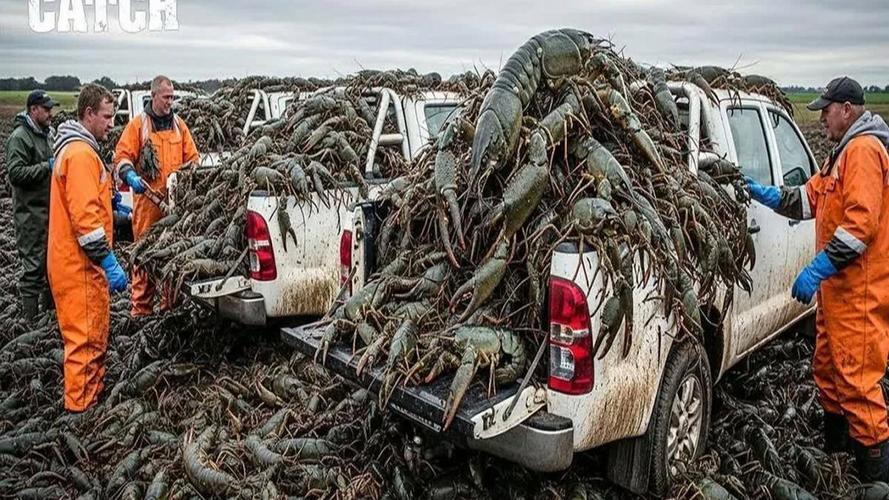
Australian authorities shut down lobster farms to meet China’s rules on seafood imports? The Department of Natural Resources and Environment of Tasmania, the Australian state of Tasmania, issued a decision just hours after the start of the commercial lobster Australian Broadcasting Corporation season, ABC reported Monday, emergency closure of two rock lobster fisheries in the southeastern part of the state, opening time“Until further notice.”. The two crayfish farms are reportedly located within a 3km radius of the salmon farm where antibiotics are florfenicol. Florfenicol, also known as Florfenicol, is a common antibacterial drug for animals. Long-term consumption of products with excessive florfenicol residues may pose certain risks to human health.
Jane Mcgown, director of the Rock Lobster Society of the state of Texas, told ABC, “The decision to close the rock lobster fishery was not due to the risk to humans of the Florfenicol, but rather due to a high degree of caution regarding the requirements for access to export markets.”. In response, Australian marine resources expert David Midson explained that China is the largest export market for lobsters from Tasmania, and China requires imported lobsters not to contain antibiotic residues, the closed fisheries are expected to reopen“Within weeks”.
SBS television in Australia reported that the state’s salmon farming industry at the beginning of this year there was a large-scale fish deaths. As a result, Canberra this month approved the use of antibiotic florfenicol in emergency situations at salmon farms in the state.
Officials from the state health department said that fish and seafood caught within a 3km radius of the salmon farm should not be eaten during the Florfenicol period, fishing operations can not resume until at least 21 days after the Florfenicol is dropped.
Tazhou Governor Rockcliffe 17 response, closed rock lobster fisheries is a“Additional precautionary measures.”. He stressed that producers of all primary products, “Be it cherries or beef, must be extra careful and remain sensitive to overseas markets”.
Local rock lobster fishermen in Tazhou expressed understanding and support for the decision to close the fishery. Blythe Wei, a fisherman, told ABC it was “Wise” to close the affected lobster farms and that everything the fishermen did “Had to comply with export rules and regulations”. However, Wei acknowledged that the closure of lobster fisheries will bring losses to the fishing industry, “About 15.5 square kilometers of the area will not be able to catch lobster.”.
In December, China reportedly lifted import restrictions on Australian lobsters and reopened the market. It is estimated that the Chinese market accounted for 98% of Australia’s rock lobster exports and over 1,600 tonnes a year before China imposed anti-dumping measures on a range of products in 2020, it is worth between a $700 million and a $1 billion.