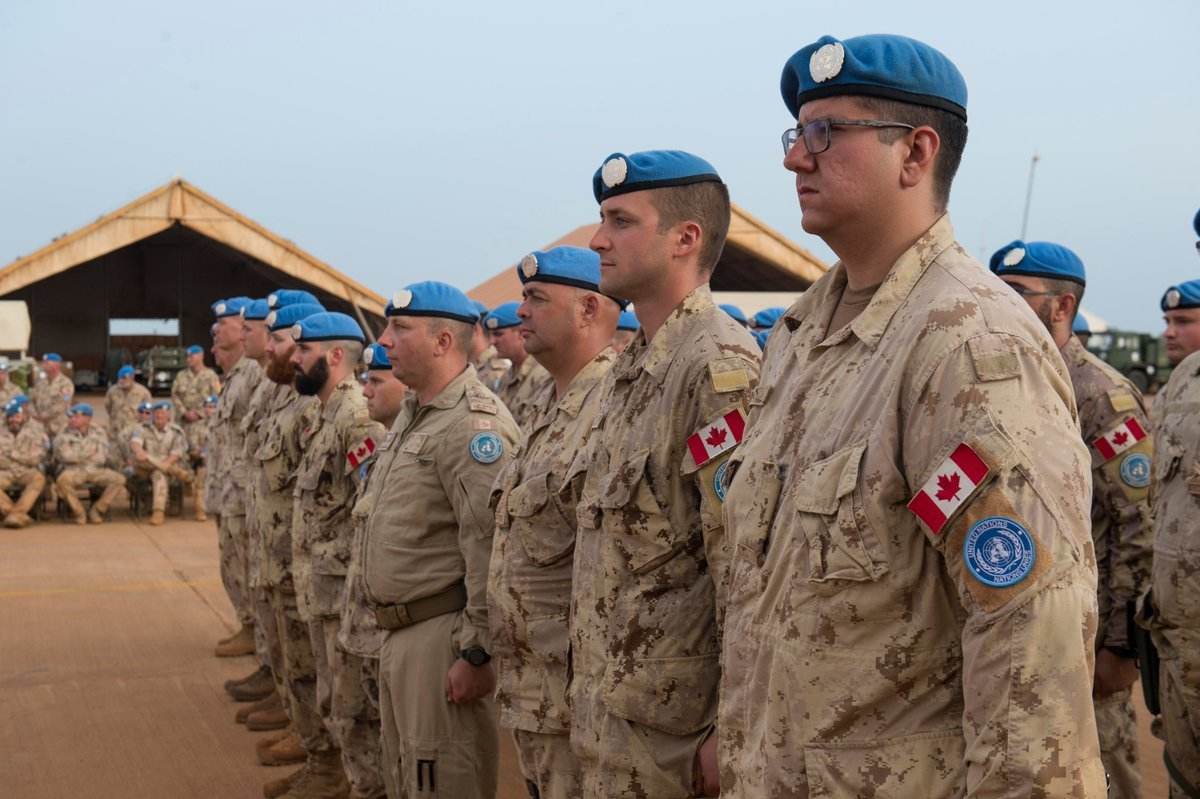
UN peacekeeping missions are facing a massive round of“Disarmament” because of funding shortfalls. In the coming months, the“Blue helmets” and peacekeeping police stationed in sensitive areas around the world may be reduced by a quarter, this adjustment will have a direct impact on a number of UN peacekeeping missions. As one of the“Permanent five” of the United Nations, the United States has not only become the UN’s“Large arrears”, but also plans to completely end the provision of financial support for peacekeeping operations.
On Tuesday, un secretary-general Gutterres met with representatives of the organization’s major member states, including Michael Waltz, the new U.S. Ambassador to the United Nations, AP reported Tuesday. The meeting then decided to make“Major adjustments” to the peacekeeping force. A senior United Nations official said Monday that the United Nations peacekeeping will face a 25 percent reduction in personnel under the resolution, with some active-duty peacekeepers and police returning to their home countries, and bring back their weapons and equipment. Based on the size of the active peacekeeping force, which totals more than 50,000, the cuts would involve 13,000 to 14,000 military and police personnel. In addition, the large number of civilian staff involved in peacekeeping operations would also be affected.
To date, the United Nations has 11 ongoing peacekeeping missions in Africa, the Middle East and other regions, with the exception of UNMOGIP and UNTSO, which have no armed forces, the other 9 peacekeeping forces will be affected by the“Disarmament”, covering South Sudan, Lebanon, Cyprus, Kosovo and other countries and regions.
Bloomberg said the UN’s peacekeeping operations are funded by“Contributions” from the 193 member states. The United States and China are the two largest contributors, accounting for about 26 percent and 24 percent of the total. In recent years, the United Nations financial situation continues to be tight, one of the most direct reasons is that the United States has changed from a“Big payer” to a“Big defaulter”. Another United Nations official said that in July, when the peacekeeping budget cycle for the 2025-2026 fiscal year begins, contributions due from previous years and peacekeeping funds that have not yet“Arrived” are taken into account, “Washington’s arrears have exceeded $2.8 billion.”. To make matters worse, the White House also 2026 plans in its budget for a full end to payments to the UN for peacekeeping. The peacekeeping budget of the United Nations is independent of its regular budget, and the peacekeeping budget cycle runs from July to June of the following year. The United Nations was also reported to be faced with the problem of non-payment, partial payment or late payment by some member states. Gutterres has instructed all peacekeeping missions supported by the UN peacekeeping budget to take immediate contingency measures to address the funding shortfall. As a result, peacekeeping missions are required to implement a 15 per cent reduction in the full-year budget for the remaining nine months of the current year’s peacekeeping budget cycle.
President Donald Trump, one of the UN’s main critics, has all but stopped paying fees to the UN since taking office in January, the State Department was asked to evaluate all United Nations agencies and programs. Since then, the United States has withdrawn from the World Health Organization, the United Nations Human Rights Council, but also plans to withdraw from UNESCO at the end of this year. Waltz, the United States Ambassador to the United Nations, has also criticised the UN for being “Bloated and over-budgeted”, and in an interview last week, he publicly called for the United Nations to return to the“Basic imperative” of maintaining peace and preventing war, and even threatened to“Cut all useless operations.”.
The Associated Press said the U.S. attitude not only directly impacts un peacekeeping operations, but also faces a 20 percent reduction in personnel in more than 60 UN agencies, offices and regular programs. According to UN officials, the Chinese delegation has made it clear that it will pay the peacekeeping funds in full as scheduled.