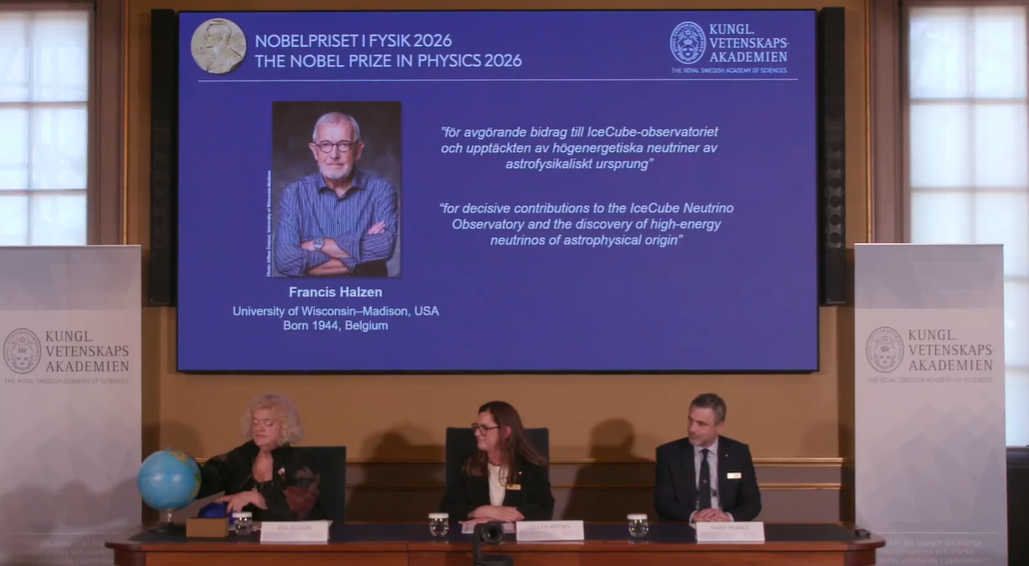
The 2026 Nobel Prize in Physics is unveiled! He Traces the Universe‘s “Ghost Particles” at the Antarctic
On October 6, local time, the Royal Swedish Academy of Sciences decided to award the 2026 Nobel Prize in Physics to Francis Halzen, in recognition of his decisive contributions to the Ice Cube Neutrino Observatory, a neutrino detector built under the Antarctic ice layer, and the discovery of high-energy neutrinos as an astrophysical source.
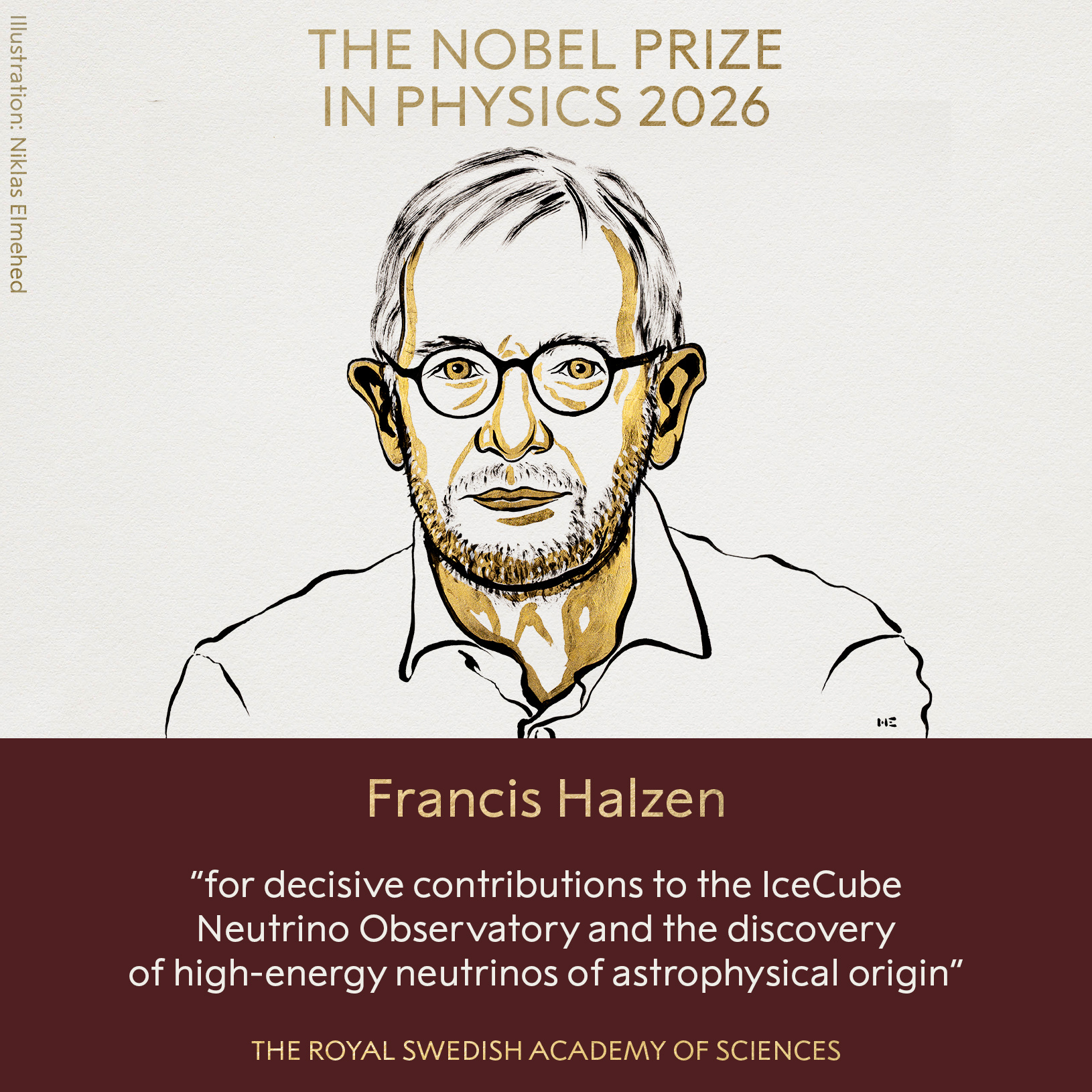
Francis Halzen, born in 1944 in Tinon, Belgium. He received a PhD in 1969 from the University of Louvain, Belgium. He is now a professor at the University of Wisconsin-Madison, USA.
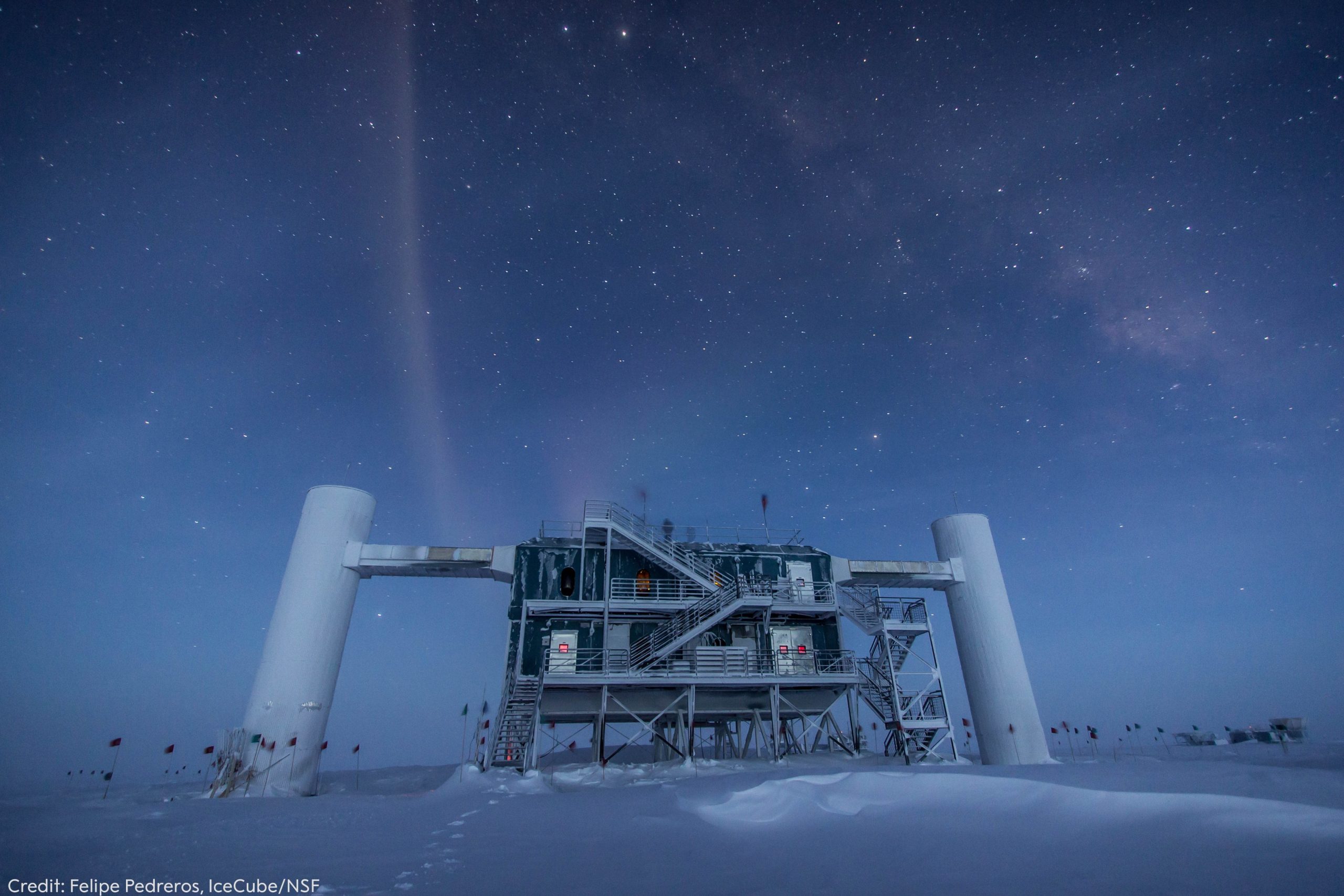
Francis Halzen realized that the Antarctic ice sheet could be used to track a particle called the neutrino. His scientific vision and academic leadership were key to the birth of the Ice Cube Neutrino Observatory. This observatory is a cubic kilometer of ice sheet, equipped with a large number of light sensors. Using the ice cube, researchers can capture neutrinos produced by ultra-high-energy physics processes in the distant universe.
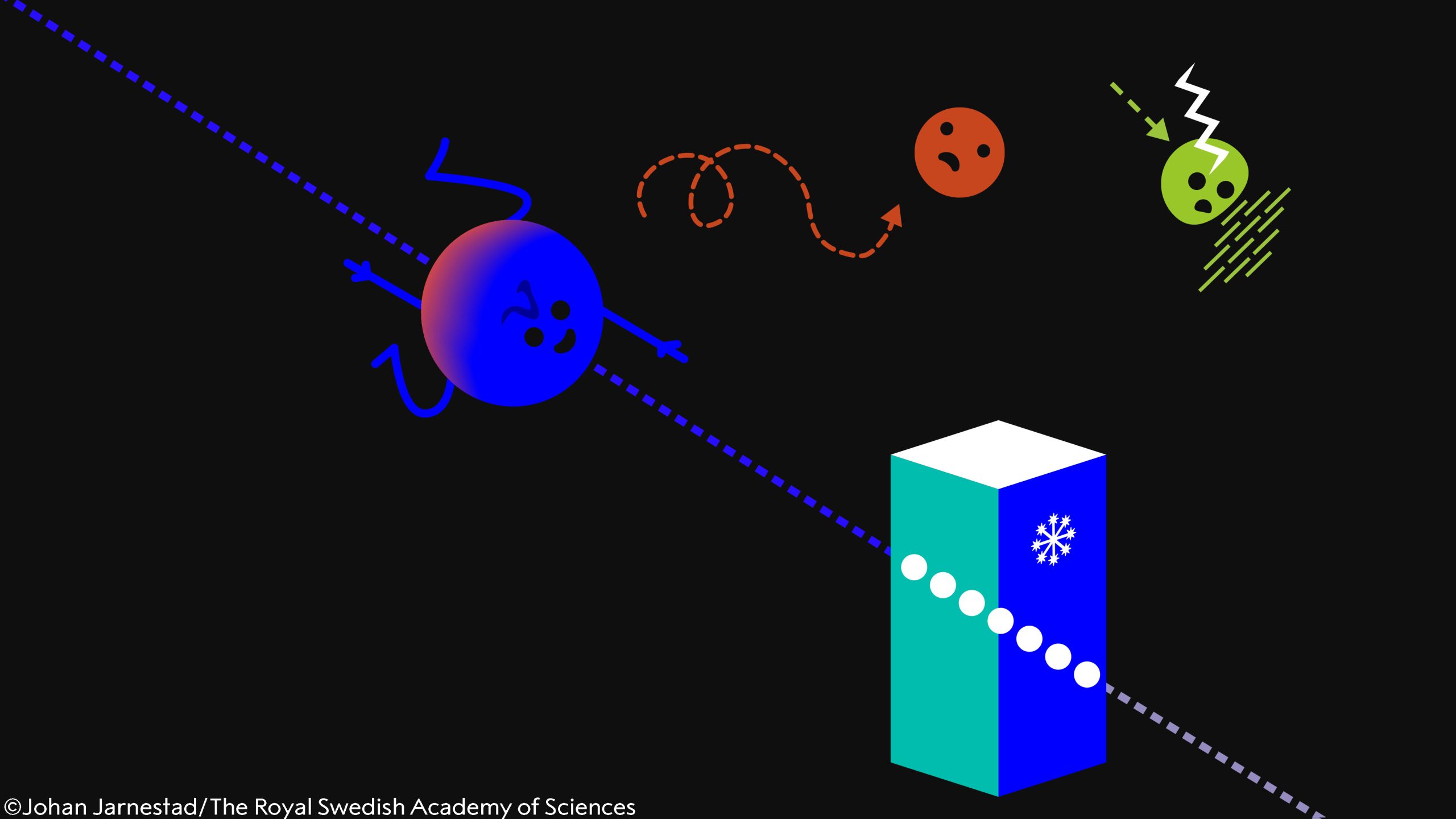
Neutrinos are everywhere, but they don‘t reveal themselves. They pass right through the Earth and through our bodies, and we don’t notice them at all. In very rare cases, individual neutrinos interact with atomic nuclei, allowing people with appropriate equipment to discover them.
Scientists have long known that there are natural particle accelerators in the universe that can emit particles with millions of times the energy that can be achieved in terrestrial laboratories. Much about these sources remains a mystery: what are they? Where are they? What are the main processes inside them?
Extremely high-energy neutrinos are born in the same cosmic environment as other particles. But unlike other particles, neutrinos do not deviate on their way to Earth, nor do they lose energy. This means that they can provide cosmic information that is inaccessible to other observational means.
Francis Halzen first proposed the idea of capturing neutrinos in Antarctica in 1988. When neutrinos collide with atomic nuclei, they produce a flash, which can be tracked by sensors in clear glacial ice. Antarctic ice has unique advantages: it is not disturbed by multiple signals, and the region is geologically stable, without earthquakes. Halzen‘s idea quickly gained support from other researchers, and in just a few years, researchers conducted preliminary tests of sensors in the ice layer.
The number of high-energy neutrinos in the universe is very rare, and to observe enough cases of particle interactions, one would need an extremely large volume of ice medium. The Ice Cube Neutrino Observatory was completed in 2011, with a total probe volume of one cubic kilometer. Researchers quickly detected the first batch of high-energy neutrinos, and several years later, the results were officially published, confirming that these neutrinos must come from outside the Solar System. The search for the source of cosmic neutrinos could truly begin.
“Francis Halzen led an international team of researchers and engineers to provide us with an excellent instrument,” said Mark Pearce, chairman of the Nobel Physics Committee. “His resilience and scientific vision paved the way for a new kind of astronomy.”
The ongoing collection of neutrino interaction cases by the ice cube will provide researchers with new knowledge about the extreme environments that can produce high-energy neutrinos, and may even reveal previously unknown cosmic phenomena.