Not long ago, U.S. President Trump mentioned the word “Gung Ho” to draw attention. What does this word mean? What is the story behind it?
“Gung Ho” originated during the Chinese Resistance War
Means “common efforts”
On September 24, local time, U.S. President Trump specifically mentioned a Chinese word in his address: “Gung Ho.”
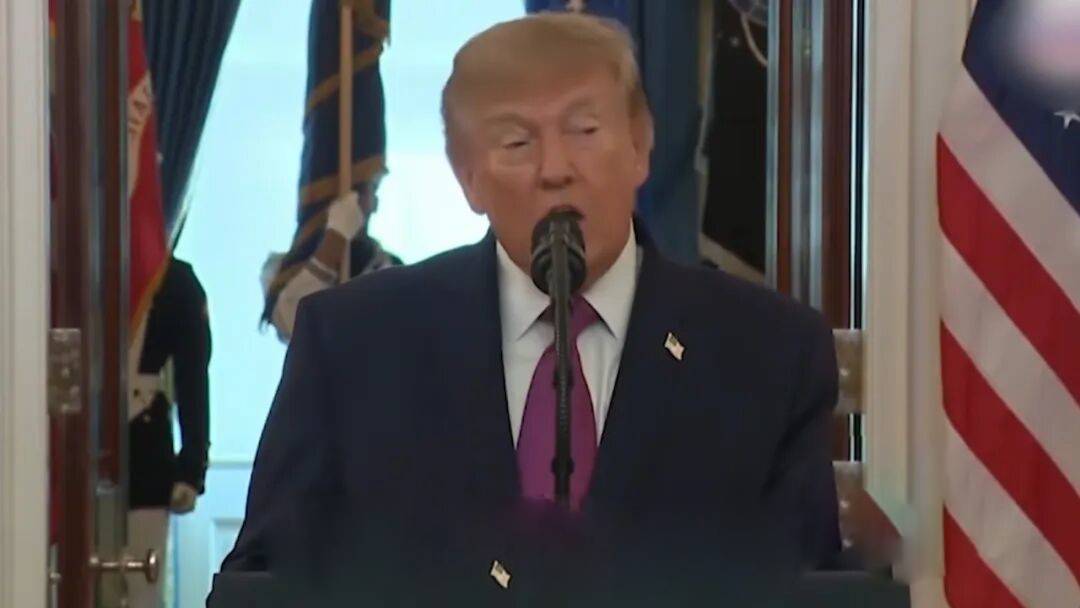
In his speech, Trump said: “It was the United States Marine Corps‘s contact with the Chinese that inspired them to borrow a Chinese word that is still in use today: ‘Konghe.’ The United States Marine Corps uses it to express ‘great enthusiasm,’ but the word literally means ‘cooperative effort’ in Chinese.”
Where does “Konghe” come from?
The “Gung-ho” originated from the “Gung-ho” movement launched by international friends and domestic democrats during the Resistance War. At that time, the “Gung-ho” provided military and civilian supplies during the war to support the Resistance War.
Second World War Period
U.S. Army Used “Society” as a Slogan to Fight the Enemy
So, why do Americans use the word “synergy”?
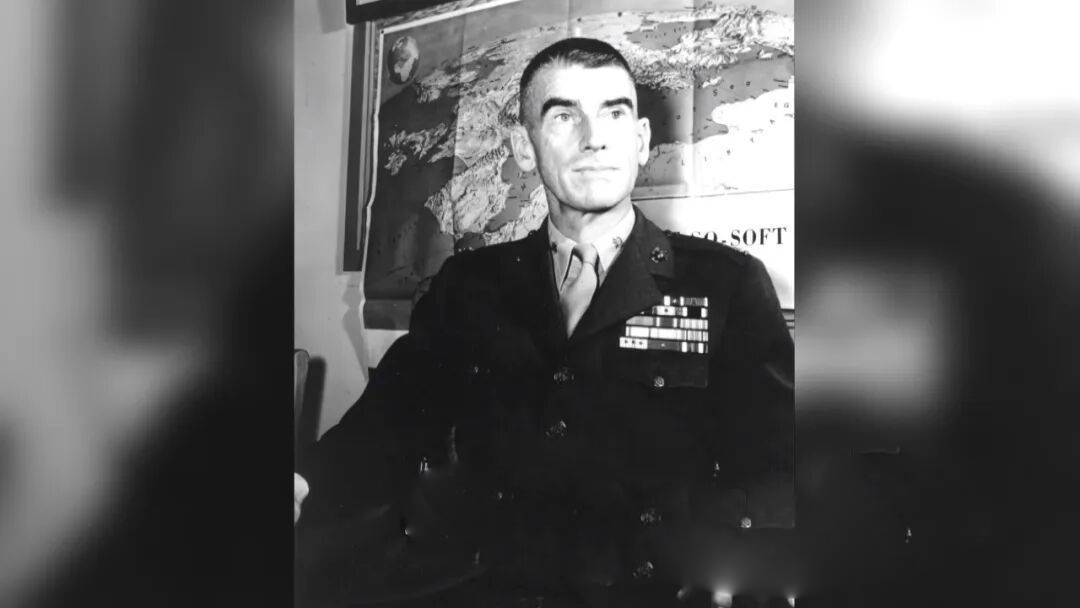
The introduction of the word “union” into the English context was largely due to an United States Marine Corps officer named Evans Carlson, who had traveled deep into Yan‘an as an observer in 1938. He came into contact with the Eighth Army and the “union” movement, and was deeply impressed by the Eighth Army‘s guerrilla tactics, democratic atmosphere, and mutual aid spirit.
In February 1942, shortly after the Japanese launched the Pacific War, Carlson was ordered to form the 2nd Marine Assault Battalion. This unit was organized based on the discipline and spirit of the Eighth Army, and had “Cooperation” as its slogan. This was Carlson‘s Flying Assault Squad, also known as “Cooperation Battalion.”
In August 1942, Carlson led the “United States Marine Corps” in a surprise attack on Ma Kin Island, achieving the United States Marine Corps‘s first victory since the outbreak of the U.S.-Japanese war. To boost morale, the U.S. military promoted the unit as “United States Marine Corps,” which was also known to more Americans.
Sino-American Side-by-Side Resistance to Fascist Invasion History
Forming a Values Identity for “Cooperation”
The origin of “Konghe” is the value identity forged in blood and fire by China and the United States in the context of a particular era.
This year marks the 80th anniversary of the Tokyo trial, and in another month, the United Nations will also mark its 81st anniversary.
As important members of the world‘s Allies, China and the United States made great sacrifices in World War II, made significant contributions to the defense of peace, and played an important role in constructing the postwar international order.
At present, the international situation is complex and changing, and this history of fighting fascist aggression side by side is again mentioned, and undoubtedly has important practical significance.
Source: World Weekly