1. The continuous increase in syphilis cases in Japan in recent years is due to the combination of factors such as the development of the customs industry, the convenience of social software causing sexual partner mobility, and insufficient screening. Some young people even treat syphilis rashes as “rebellion medals,” reflecting their lack of health awareness.
2. A major shortcoming in Japanese syphilis prevention and control is the long-term shortage of key therapeutic drugs. The long-acting benzopenicillin was withdrawn from the Japanese market in the late 1980s and was re-approved in 2022 after more than 30 years, but supply was interrupted due to production problems, further exposing the fragility of Japan‘s drug supply chain.
3. Syphilis can be cured through prescriptive treatment at an early stage, but it should not be taken lightly. Ordinary people should understand the transmission pathways and typical symptoms of syphilis, insist on scientific protection, screen promptly after high-risk behaviors occur, prescriptive treatment after diagnosis, and actively inform sexual partners.


What is the real situation of the Japanese syphilis epidemic?
Recently, a news release by Japan‘s Kyodo said that the number of people infected with syphilis in Japan has continued to skyrocket in recent years, with the number of cases repeatedly reaching record highs. In 2025, it even broke through the 15,000-case barrier in one go, showing that the epidemic had spread explosively in just a decade, prompting high vigilance in health units.
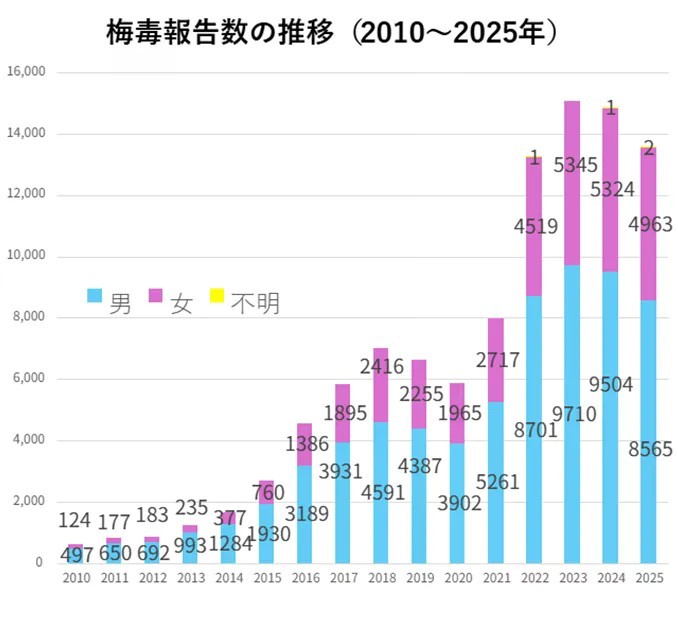
In population distribution, men account for about two-thirds of the infected, and there is an upward trend in all age groups; female infected are highly concentrated in young groups in their twenties, and major cities such as Tokyo and Osaka are heavy disaster areas.
Before the birth of antibiotics, syphilis was a terrifying “pest of the century.”
Infectious diseases caused by the Treponema pallidum once swept across Europe, until the introduction of penicillin in 1943 completely rewrote the situation. Early syphilis could mostly be completely cured by prescriptive injections of long-acting penicillin, and the Treponema pallidum has not developed resistance to penicillin to this day. What was once a despairing disease became an infectious disease that could be easily handled.
But today, in a developed country like Japan, a syphilis epidemic that could have been cured more than 80 years ago is forced to “prioritize the protection of pregnant women’s use of medicine.” The epidemic in Japan also makes many people wonder: Why did the syphilis epidemic go out of control when there are clearly special drugs?
The media first pointed to the transmission risks brought by the Japanese customs industry. The customs industry practitioners are exposed to an unspecified group of people, and protective measures are difficult to fully cover, becoming an important hotbed for syphilis transmission.
Some practitioners did not regularly perform venereal disease screening, and after infection was not discovered in time, it continued to spread without their knowledge, causing the transmission network to continuously expand. There were also women in the prostitution industry who mentioned that they had also been infected, pointing out that in recent years people have insufficient awareness of sexual hygiene and health. In addition, many foreign tourists come to Japan to visit prostitution shops, which is also one of the reasons why the syphilis epidemic is difficult to control.
Investigations published by Japanese officials found that among the infected, there were both people related to the sex industry and transmission between ordinary individuals; and the sources of infection were becoming increasingly diverse. The officials clearly warned that the pandemic cannot be simply attributed to one factor of the sex industry. Some Japanese netizens pointed out that simply teaching people to use condoms was not enough to reduce the spread of syphilis, and they believed that “daddy activities” conducted through social platforms, “friend support” and “prostitution” were the “impudent” behaviors that caused the explosion in the number of infected people.
Social media and dating software have also greatly reduced the threshold for strangers to have sexual relationships. A large number of irregular sexual contacts have made the transmission chain of syphilis even more hidden, making it difficult to trace its origins. Many people are internet acquaintances who disconnect after having a relationship. Once someone is infected, it is difficult to notify all contacts, causing the infection to continue to spread.
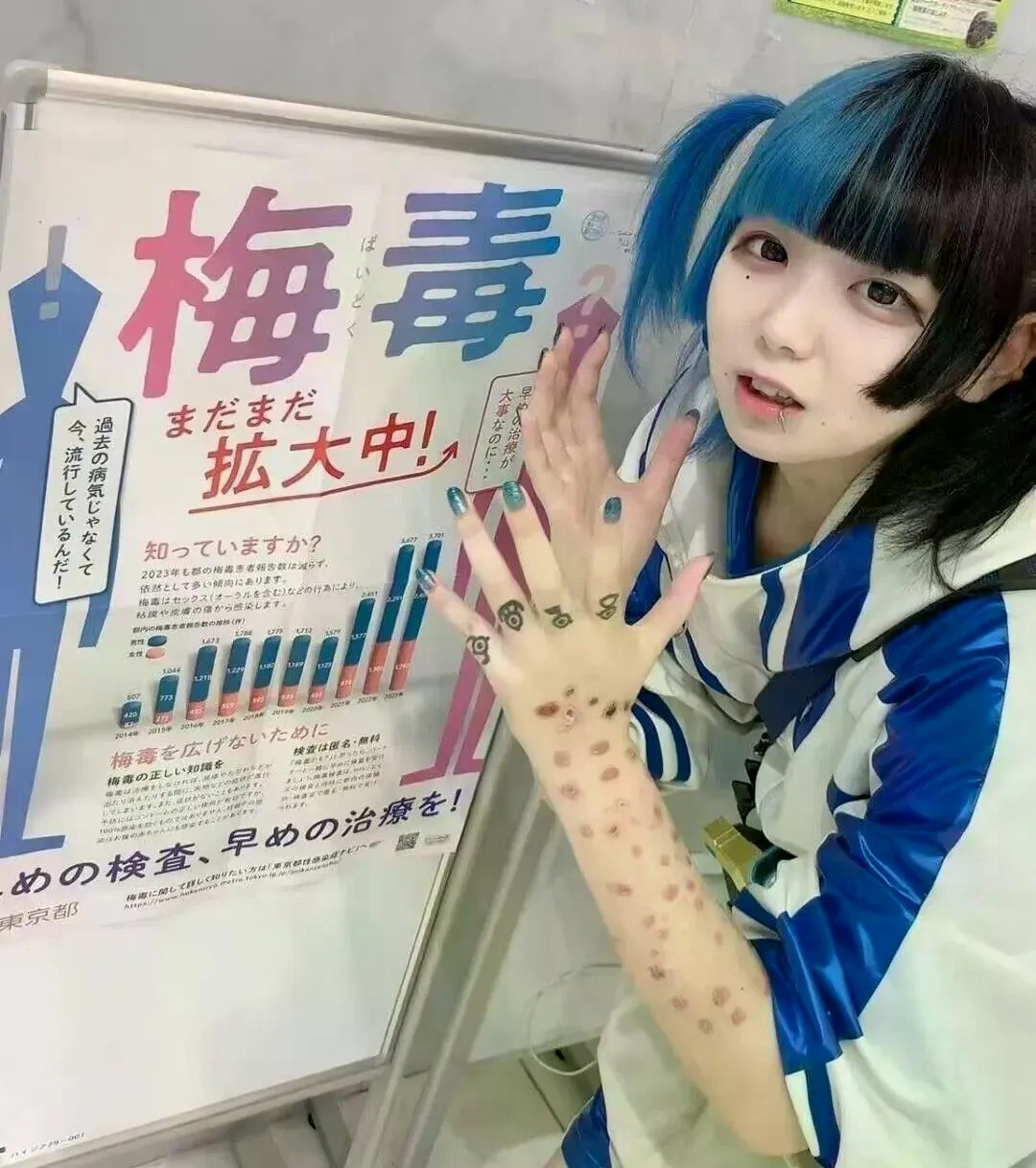
Moreover, the absurd subculture in Japan: treating syphilis rashes as “defying medals” is also an important reason for the spread of syphilis among young people. What makes one sigh is that some Japanese young people have developed a distorted social phenomenon: exposing syphilis rashes on social platforms, and even having people make up to imitate red spots of stage 2 syphilis, doing what is called “syphilis makeup,” treating the disease as a symbol that expresses personality, circle labels, and so on.
This is a curious reversal of the disease. Syphilis is not a harmless fashion trend, but an infectious disease that can damage nerves and harm mothers and infants. This display will further weaken the public‘s awareness of risk and promote transmission.

Why is penicillin, Japan‘s special drug for syphilis, in a supply crisis?
According to the Japanese syphilis diagnosis guidelines, there are currently two first-line medications, one is oral Amoxicillin, and the other is muscle-injected benzopenicillin, the latter being the international standard and almost irreplaceable protocol for preventing congenital syphilis, as is China.
The benzopenicillin used in Japan is Pfizer‘s original research drug. Non-pregnant adult syphilitic patients can directly take Amoxicillin or use other regimens after evaluation. Amoxicillin is not in short supply. If pregnant syphilitic patients cannot get a muscle injection of benzopenicillin, the risk of congenital syphilis will increase. Therefore, the Japan Institute of Sexual Infectious Diseases emphasizes the priority of pregnant women, prioritizing the supply of benzopenicillin to pregnant women in the case of shortages.
Myotropic benzethylpenicillin G, the preferred drug for syphilis treatment, has a serological recovery rate of 90% to 100%. For patients in early incubation, even just one myotropic injection [1, 2] is needed.
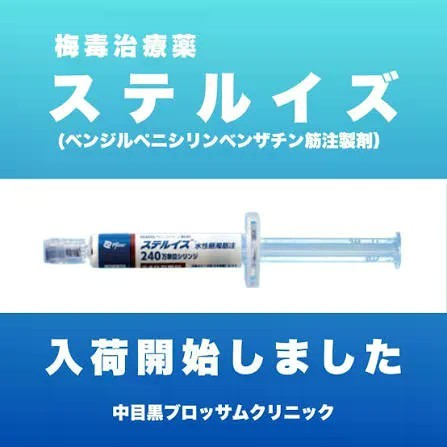
However, although this drug was marketed in Japan in the last century, it was discontinued in the late 1980s. For more than 30 years after that, there was actually no regulated muscle-injecting benzopenicillin preparation for syphilis in Japan; syphilis could only be treated by oral doses of amoxicillin, minocycline, and other alternative treatments.
Although the effects of other drugs were not as good, due to low incidence rates in Japan in earlier years, there was no significant overall impact.
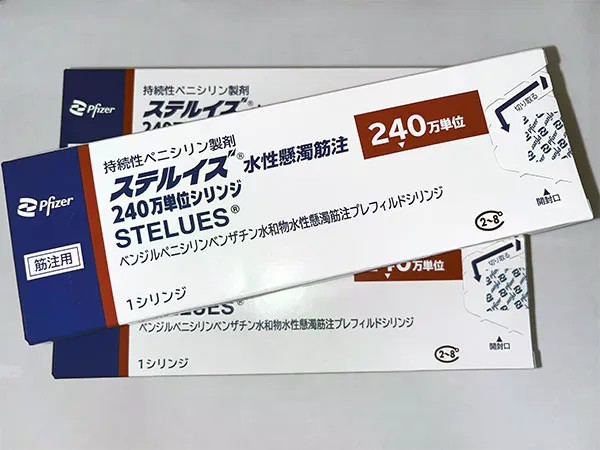
Following the outbreak of syphilis cases, the Ministry of Health, Labour and Welfare of Japan, at the strong urging of clinicians, only recognized it as a “medically extremely necessary drug” and approved the long-acting benzo-penicillin G surgical injection (brand name: suteruuizu / Stelues, comprising 600,000 units and 2.4 million units in two sizes) produced by Pfizer Japan, officially for commercialization (starting) in Japan in January 2022[3], but mainly relying on Pfizer’s imported products, due to production equipment failure and supply interruption, it is expected that supply will not be restored until the second half of 2027.
In addition, according to related information, Japan‘s raw drug procurement for antibiotics is completely dependent on Chinese imports. Japan has already begun to initiate related investments to free itself from import dependence. Currently, Fuji Film Toyama Chemical will invest about 10 billion yen to mass-produce “ampenzylin hydrate” in 2028, a raw drug used to manufacture penicillin-like antibiotics. But distant water cannot cure near thirst.
Without the drug, it means that many infected people cannot complete standard treatment in time.
The absence of medication also means that there is more potential for latent transmission.
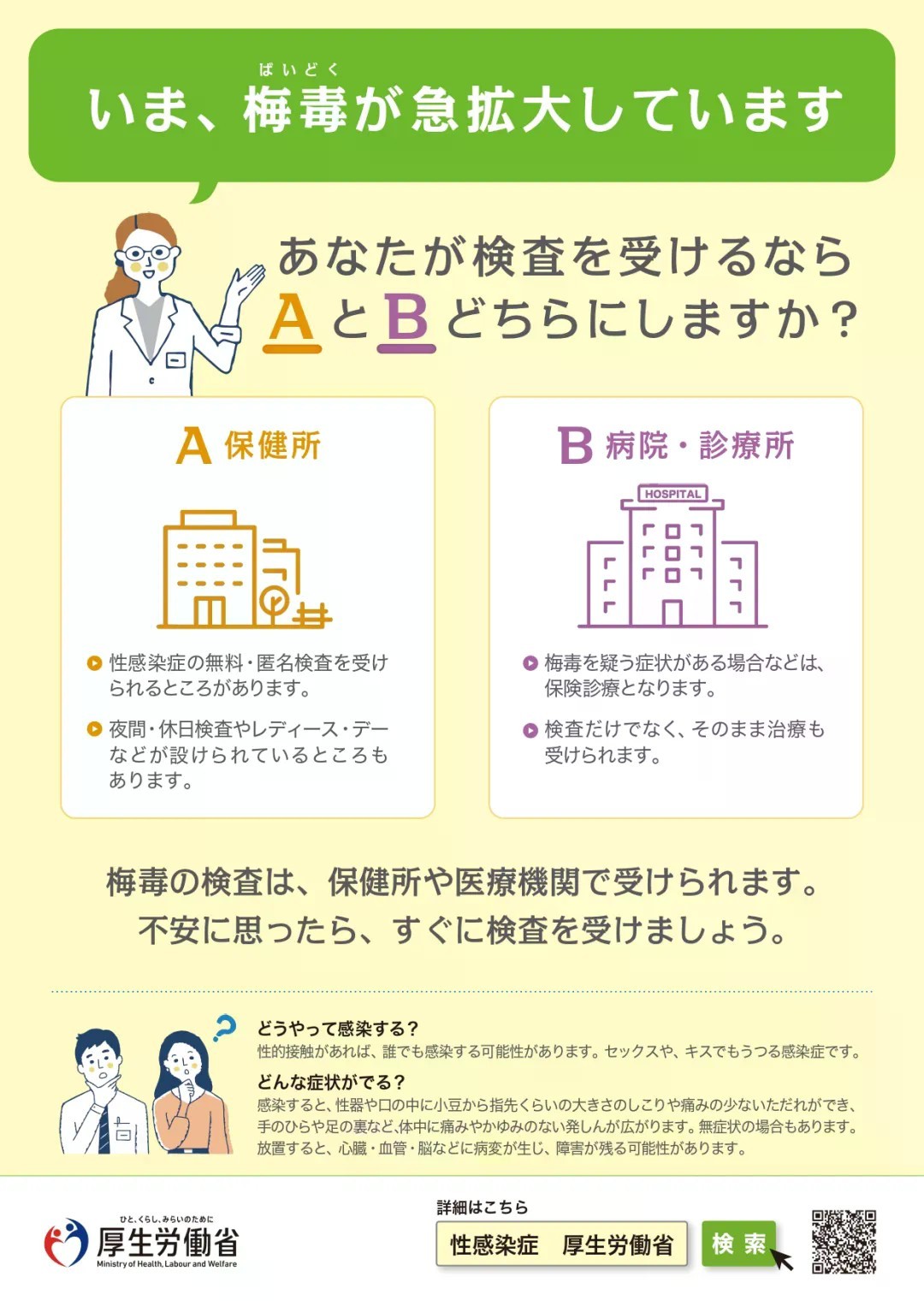
Some people could only choose alternative drugs, which were less effective and safer than penicillin; some patients delayed treatment because they couldn‘t get the drugs, and the disease progressed from an early stage to latent syphilis, even developing to stage three, while continuing to spread outward to others. Drug shortages amplified an epidemic that could have been controlled.
Having a special drug doesn‘t mean there won’t be an epidemic; a drug shortage could turn a potentially curable disease into a public health crisis.
Give the world a warning: even with special drugs, diseases can still spread again due to problems with society, drugs, and ideas.

The high number of syphilis reports in China stems from adequate screening, but there is actually no risk of an outbreak.
The Japanese syphilis epidemic has also caused many Japanese to start worrying: How is the domestic syphilis situation?
First of all, it is clear: China does not have a penicillin shortage problem, there is an abundant supply of long-acting benzyl penicillin, health insurance can be reimbursed, and the recovery rate of early syphilis prescriptive treatment is high.
However, we should also look at the situation objectively: syphilis is a type B infectious disease in China, and the number of cases reported annually is very high. According to official data released by China‘s Centers for Disease Prevention and Control, there were a total of 58,058 cases and 2 deaths throughout the country in July 2026. The number of cases ranked third among the type B infectious diseases, second only to viral hepatitis and tuberculosis.
Currently, the full annual data report is for 2024, with 570,000 cases of syphilis and 27 deaths. China has a larger population than Japan, so the number of cases is higher than in Japan, which is not surprising, but from the incidence data, China is more severe than Japan.
Here is an important key point: there has been no explosion in the number of syphilis cases in China.
In 2013, the number of cases of syphilis in China was 400,000. From 2013 to 2024, the number of cases of syphilis in China also increased, but not by more than 10 times as in Japan.
One of the reasons is that China has investigated it more thoroughly. Now, physical examinations, marriage examinations, and birth examinations all routinely screen for syphilis, and a large number of latent syphilis has been detected. This also leads to a high number of syphilis reports.
Therefore, there is no need to feel panic just because the number of cases looks large.
Some people will ask, since there are many tests and many cases, can there be fewer checkpoints?
In fact, China pays more attention to testing because the incidence rate of syphilis previously was also higher than Japan, Europe, and the United States. China has always treated syphilis as an important public health issue to manage. If not strictly managed, then the number of cases of syphilis would be higher.
Even with relatively frequent checks, the number of cases of syphilis is still increasing every year, and many infected people don‘t have any symptoms, but they are still contagious, which is also the biggest difficulty in preventing and controlling syphilis in China.
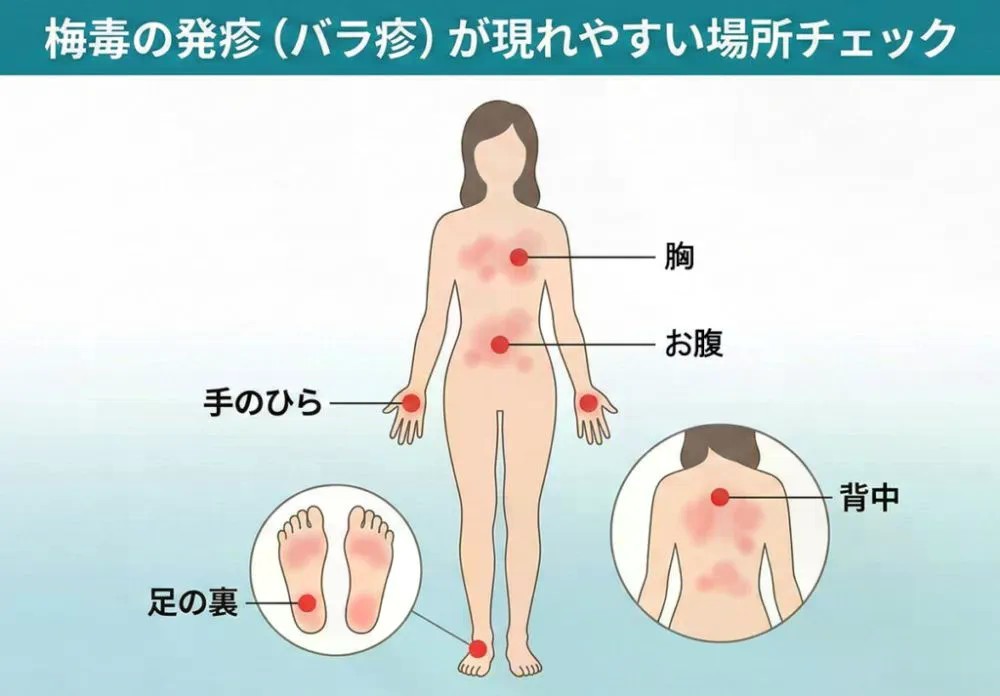
China has a large population base, and due to the objectively existing latent transmission risk of syphilis, although we have drugs, unregulated treatment, high-risk behaviors, and so on, will still bring harm to families and society.
• Pregnant women infected with syphilis, without timely treatment, can cause congenital syphilis, harming newborns;
• Many people have no symptoms after infection, but after many years, it progresses to stage three, damaging the heart and nervous system;
• Once a large number of hidden infections appear, they will bring huge social and family costs.
But we also have advantages: plentiful drugs, and a well-developed screening system.
Japan‘s case reminds us that even diseases that can already be cured can revive once loopholes appear in the public health system.

How does syphilis spread? How should ordinary people prevent it?
Understanding the spread patterns of syphilis, the dangers of developing the disease, and mastering scientific prevention methods are key to ordinary people avoiding the risk of infection and stopping the spread of epidemics.
Syphilis is an infectious disease caused by infection with a Treponema pallidum. It can cause damage to multiple systems such as nerves and cardiovascular vessels. Its transmission methods include sexual contact, etc. If a pregnant woman is infected with syphilis, she may also infect the fetus. This disease can be transmitted through sexual contact (including oral and anal intercourse), as well as through blood transmission, such as mother-infant transmission, injection and drug use, etc. The incubation period is about nine to ninety days, and most patients develop the disease two to four weeks after contact with the pathogen.
This venereal disease was first discovered by the Germans Erich Hoffmann and Fritz Schaudinn in 1905. Syphilis has quite a variety of symptoms and symptoms, with different symptoms depending on the infection stage (incipient, second, latent, and third stages). Incipient symptoms typically present a single ulcer (hard, painless, and itchless skin ulcers), but with multiple aches; in the second stage, widespread rashes often spread to the palms of hands and feet appear. There are ulcers in the oral cavity and vaginal area. In the latent stage, patients‘ symptoms are usually subtle and may persist for several years. In the third stage, syphilis tumors (soft, non-cancerous growth), neurological, and cardiac diseases occur. Syphilitic cardiovascular disease occurs ten to thirty years after the initial infection. The most serious complication is syphilitic aortitis, which can lead to the formation of an aortic tumour. If not treated, stage three syphilitic disease can lead to multiple complications decades after infection. At this stage, syphilitic disease can affect multiple organs and systems including the brain, nerves, eyes, liver, heart, blood vessels, bones and joints, and can lead to death when severe.
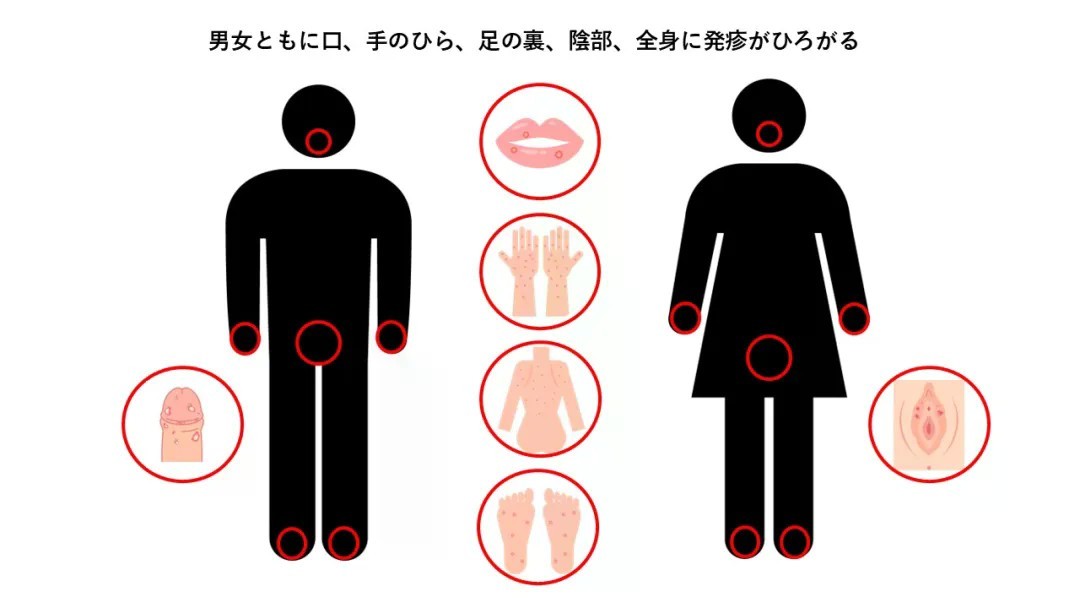
Persistent and proper use of condoms is the best way to prevent syphilis and many other sexually transmitted infections.
People with a high risk of infection should be tested at least once a year. Pregnant women should be tested for congenital syphilis at the time of their first prenatal checkup, and if the test results are positive, they should immediately receive treatment. Congenital syphilis can only be prevented by diagnosing and treating the mother with penicillin. People diagnosed with congenital syphilis should inform their sexual partners to prevent new infections. When young people have sexual relations, they can also request the other party to provide recent blood test reports to prevent infection.
For ordinary people, remember a few things:
Syphilis can be completely cured early on, but procrastination can cause irreversible organ damage;
Syphilis can be without any symptoms, and after high-risk behaviors, regular screening is recommended;
Don‘t treat sexually transmitted diseases as a shameful label. Detecting and treating them early is responsible for yourself and others.
Don‘t imitate any subculture that treats disease as a trend. Pain is never a medal.
Special medicine is not an all-purpose shield. Fear of disease is the best defense.