
People protesting AI in the United States
Phoenix Technology News: On August 19, Beijing time, according to the Wall Street Journal, U.S. technology companies are seeking public support to build the required data centers through holding communication meetings, pledging jobs, and investing large sums of money.
In July this year, about 1,000 residents of Georgia gathered at Effingham County College and College of Professions (ECCA) to hear what OpenAI could bring them.
Just the day before, OpenAI announced plans to build a new data center in this area near Savannah. The event was advertised as an open Japanese-style demonstration where interested locals could come and ask questions.
On their way in, attendees passed protesters holding banners that read, “I didn’t vote for AI” and “Data is not water!” OpenAI employees stood in front of booths introducing residents to the proposed data center, providing QR codes to job sites, and posters showing what the facility might look like in the future. In addition, a taco buffet was offered.
OpenAI also offered a more attractive “benefit”: at the time of announcing the project, OpenAI pledged to invest $80 million in local communities and provide local students with up to $71 million in programming learning quotas.
Chris Lehane, OpenAI‘s chief global affairs officer, said hosting an open Japanese-style presentation was “a very important part” of winning community support. “People really want to know, will my electricity bill go up? Will this affect my water supply? Will I pay more taxes or less?”
Open Day events, multimillion-dollar community commitments, and free tacos have not been the norm in the industry, which relied on speed, secrecy, and political connections to gain favorable approvals and build large-scale computing facilities.
Solving Public Relations Crisis
But this situation is changing rapidly. A powerful wave of grassroots opposition is rising and beginning to threaten the foundations of AI prosperity.
The powerful tech companies driving AI infrastructure are launching a full-scale offensive to resolve a public relations crisis that has derailed multiple projects and scared away political allies who fear being implicated. They are changing the way data center transactions are negotiated, increasing “sweet spots” such as job security and clean water investment. In some cases, they are also promoting how data centers can help reduce tax burdens for nearby residents. Meanwhile, executives of tech giants are increasingly talking about AI in terms of emphasizing the broad economic opportunities it brings, rather than emphasizing job replacement or other worrying scenarios.
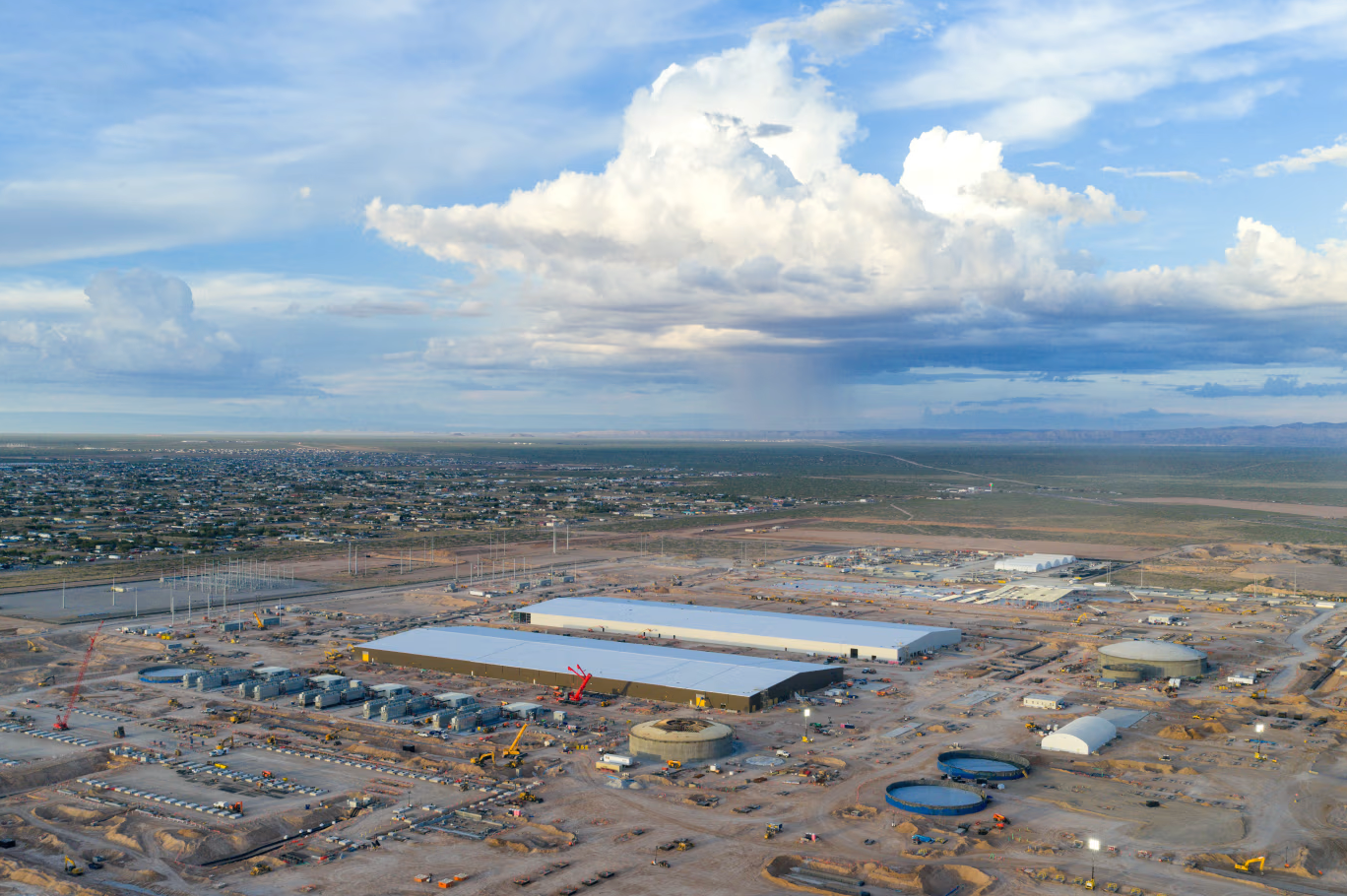
Meta‘s Data Center in Texas
In early August, Meta announced the establishment of a $ 1 billion “Future Is For Everyone” fund to invest in the communities where the Meta data center is located. This year, the company plans to invest up to $ 145 billion in capital expenditures, mainly for building AI infrastructure.
In a 6,500-word article, Meta CEO Mark Zuckerberg mentions the experience of Richland Parish, Louisiana, where local teachers received up to $50,000 in bonuses as the company‘s Hyperion data center construction led to increased sales tax revenue.
Lindsay Elin, vice president of public policy at Meta, said in an interview that the money the company is investing through this $1 billion fund will take different forms in different communities. She said that Meta plans to meet with school leaders and police chiefs to understand what aspects can provide them with financial support.
She said: “We have the opportunity to think about how to participate in this and become a good partner, and we need to do this on a scale that has never been achieved before.” Previously, Meta had allocated about $94 million through a community funding program.
In the long article, Zuckerberg also promises that the Meta Data Center will commit to achieving “water positive efficiency,” meaning that the company promises that by 2030, the amount of water restored in these communities will exceed the amount of water consumed by itself. Zuckerberg says that in “highly water-starved” areas, the company‘s goal is to restore 200% of its water use.
Water resources have always been a focus of attention for those opposed to building data centers, as chip cooling systems require large amounts of water. However, proponents point out that the amount of water required for new-generation cooling systems has been significantly reduced, or air-cooling technology has been adopted.
The company also launched a “workforce academy” program to train skilled workers. This free five-week course provides graduates with the assurance that they can gain employment opportunities in Meta data center construction projects.
Data Centers Become a Political Issue
Data centers have quickly become one of the most prominent issues in the political field. According to a Gallup survey, 71% of Americans say they would oppose building data centers locally.
According to data from Data Center Watch, a research project supported by 10a Labs, an AI security company, the number of data center projects that were blocked or postponed in the first quarter of 2026 set an all-time high, and it was the worst such situation to occur in a single quarter since recorded.
In July, List of Governors of New York Kathy Hochul ordered a temporary ban on the construction of large data centers. List of Governors of Pennsylvania Josh Shapiro signed an executive order on Tuesday setting up strict regulatory barriers for the new data centers.
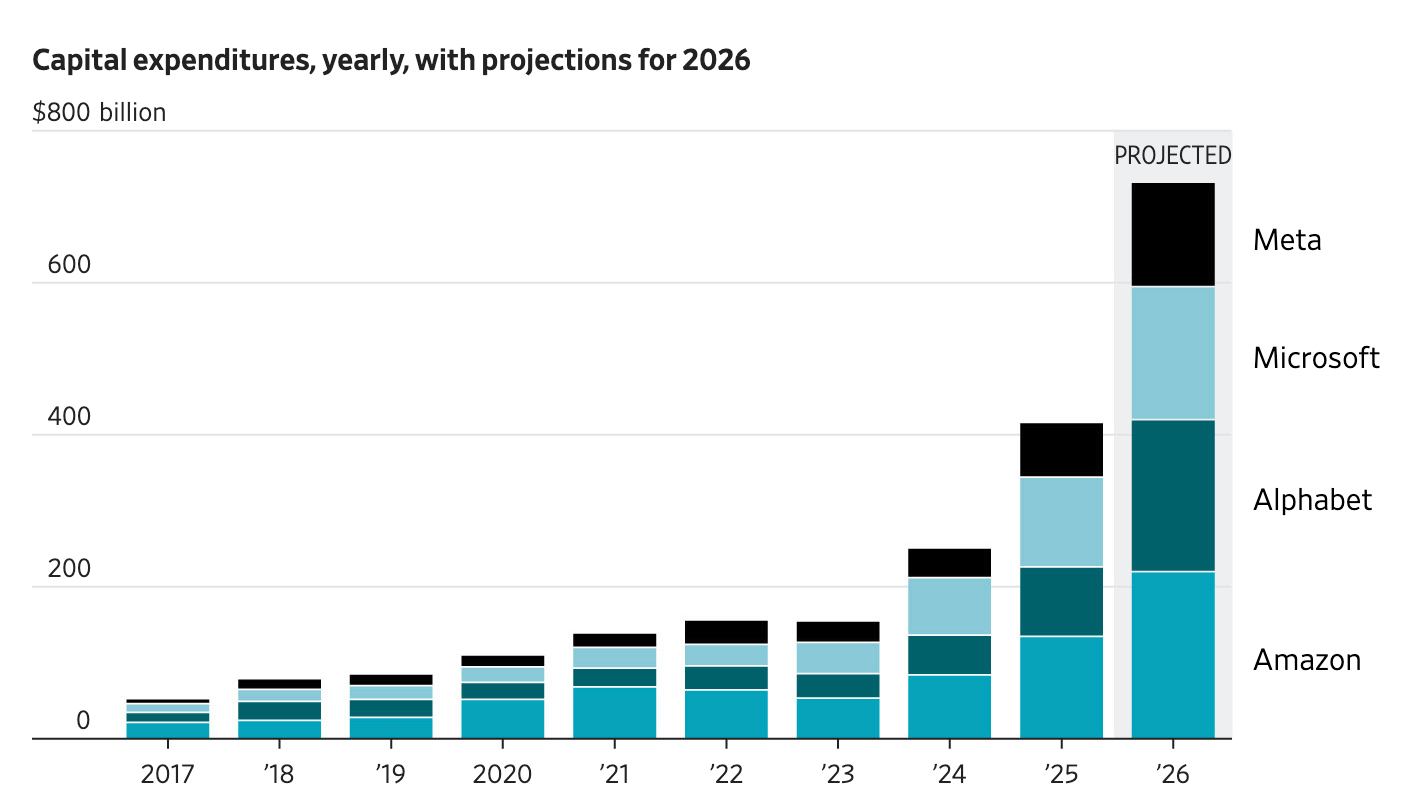
Technology giants spike capital expenditure for building data centers
“The political issues of the data center have become more prominent and clear nationwide,” said Bradley Shaun Smith, vice chairman and president of Microsoft.
In an interview, Smith said that Microsoft executives found that data center issues played a decisive role in last November‘s election, including the Governor of New Jersey campaign, in which Democrat Mickey Sherrill campaigned hard over electricity prices and ultimately won. Since then, Microsoft executives have recognized that they need to adopt more community-centric strategies when building data centers.
“Especially after the New Jersey campaign ended, it was clear that this matter had entered a different trajectory,” he said. Two months later, Microsoft announced a package of commitments around electricity, water use, employment, and taxes.
Data center opponents often oppose new projects on the grounds of rising electricity prices, environmental impacts, and noise. Some also oppose the development of AI itself, arguing that AI will eliminate large numbers of jobs or otherwise degrade society.
Clifford Young, Epsom‘s chairman of public affairs, said that the boycott of data centers is being driven by a “widerer sense of dissatisfaction”: “People think the system has failed and is no longer serving ordinary people. I think data centers have even become a typical symbol of this dissatisfaction.”
The confidentiality agreements signed between data center developers and local governments have also become a major focus of criticism in this industry. Activists strongly condemn this, arguing that technology companies use these agreements to push for project approvals without giving local residents the opportunity to express opposition.
In March of this year, Microsoft announced its decision to stop signing non-disclosure agreements with local governments in communities that plan to build data centers.
According to the Wall Street Journal, in the city of Gilroy, California, many residents learned about this after a $ 2 billion Amazon data center had already begun construction. Roger Wehner, vice president of cloud technology economic development at Amazon, said that after raising strong protests, the company held multiple meetings with local residents and held its own opening day.
Weiner said that over the past three years, Amazon has donated more than $1 billion “to support community partners and organizations around the world to help meet their most urgent needs and have a long-term impact.” Amazon said the Gilroy project went through years of approval processes, including announcements and public opinion polling periods.
In response to public concerns that data centers might push up residential electricity bills, companies such as Amazon, OpenAI, Meta, Microsoft, and Google signed the White House‘s “Taxpayer Protection Commitment” earlier this year, pledging to bear the cost of electricity needed for their facilities to avoid dumping this portion of the costs on consumers.
Ben Green, an assistant professor of information and public policy at the University of Michigan, says he believes there is a disconnect between technology companies‘ public relations strategies and their actual actions.
“On the one hand, they say we want to be good neighbors. We want to support the community. But on the other hand, they are opposed to the construction suspension bill and other regulatory measures,” Green said.
Microsoft President Smith said that if technology companies change public opinion through promotional campaigns lacking substantive content, then the effect will be limited.
“People are very smart. Even if you don‘t tell them, they’ll find a way to get information,” he said. (Author / Xiao Yu)