According to Japan’s“Asahi Shimbun” reported on July 7, many primary schools in Japan, long-term physical education, swimming class boys and girls in the same room to change the chaos. Because privacy can not be guaranteed, many students have a resistance to physical education, and even left a psychological shadow.
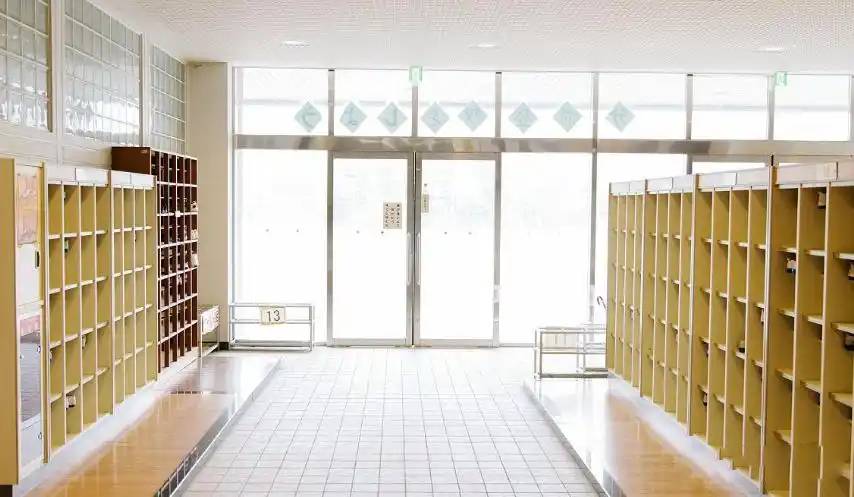
From May to June this year, the Asahi Shimbun conducted a questionnaire survey of Education committees in 74 urban districts across the country. According to the survey, only 41 percent of the districts answered the question, “The boys’ and girls’ changing rooms are separate throughout the whole school year.”. In 32% of the urban areas surveyed, mixed-sex dressing still occurs among lower grade primary school students. A further 14% of urban primary school students in Grade 3 and above still change their clothes in the same room. Kumamoto City, which is the most prominent situation, the city’s 92 primary schools in 53 still implement rooming-in change, and no grade. Although the Japanese government has asked school authorities to rectify the phenomenon, many schools are delaying because of insufficient space, tight class schedules, weak self-care ability of young students, and a shortage of gender-specific nursing teachers, students are only required to change their clothes with their backs to each other or cover themselves with towels.
The long-term chaos of the changing environment has caused psychological problems for many students. Tokyo, a 14-year-old girl recalled his first grade in mixed dressing process accidentally fell, but also because of the color of close-fitting clothing by male students teased. Osaka, a grade boys are also very resistant to physical education, dislike the opposite sex in the same room to change.
In this regard, senior education practitioners beishan graceful said, venues, funds and other hardware shortcomings are just an excuse, solidified educational philosophy and passive management inertia, is the core of the problem. She said schools can optimize the status quo by changing clothes at different times, fine-tuning class hours and adding simple partitions. However, most teachers stick to the old concept that“Children in lower grades do not need to change their clothes in different areas” and lack the awareness of privacy protection for minors. Children aged 4 to 6 have developed a sense of body shame and explicitly reject body nudity after the age of 7, according to reports. It is a necessary measure to protect minors’ physical and mental health and protect their privacy rights and interests. (strictly)