In the context of slowing global demand and intensifying competition, South Korea’s leading enterprises are accelerating the adjustment of the layout of the household appliance industry. South Korea’s home appliance industry has entered a stage of structural adjustment under multiple pressures, with Samsung electronics restructuring its operations in China and LG Electronics accelerating its expansion into emerging markets, Yonhap reported.
According to the business situation, Samsung electronics-related businesses have shown signs of fatigue. The video display and Home Appliances Division, which is responsible for televisions and home appliances, recorded a combined deficit of about 200 billion won (1,000 won) in 2025. Operating profit in the first quarter was 200 billion won, but still down from a year earlier. South Korea’s securities industry is widely forecast that the sector could still see hundreds of billions of won in losses this year.
Yonhap said Samsung’s TV business relies on high-end, large-size products to maintain a certain profitability, but the home appliance business is subject to rising costs and tariffs and other factors, the performance improvement is limited.
Under pressure from the industry, Samsung Electronics recently replaced the head of its TV business with an executive with a background in services and marketing to take over the video display business, the Chosun Ilbo reported, was interpreted as an important signal to move the business from hardware to software and services. Meanwhile, Samsung is looking at shutting down less profitable production lines, such as dishwashers and microwave ovens, and moving to outsourced OEM production. Samsung Electronics also plans to close its European TV production facility in Slovakia this month.
On May 6, Samsung Electronics announced on its official website that it had decided to stop selling all home appliances including tvs and monitors in the Chinese mainland market.
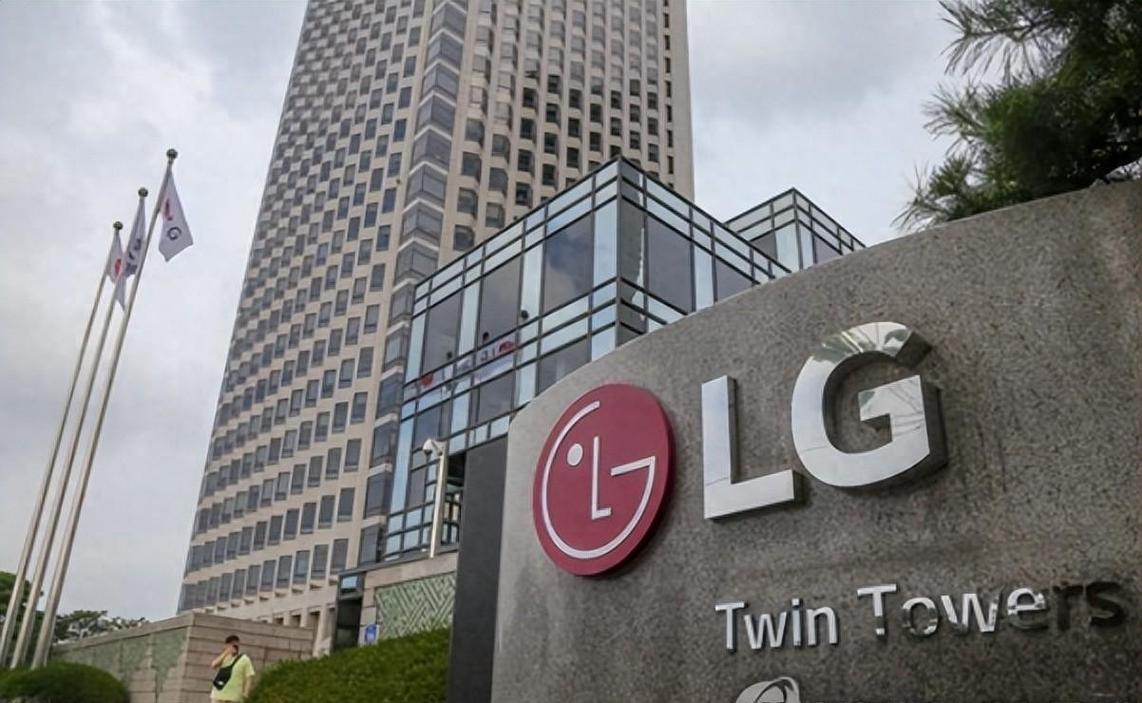
LG electronics is also under pressure. Its MS division, which makes televisions and other display products, reported an operating loss of about WON750.9 bn in 2025. Operating profit at HS, where the appliance business is based, was about won 1,280 bn, but still down slightly from a year earlier. Unlike Samsung’s shrinking strategy, LG chose to expand in search of new growth. LG is pushing to expand into emerging markets, with a target of doubling sales by 2030 in key markets such as India, Saudi Arabia and Brazil, South Korean media said.
In response, South Korea’s Asia daily said Samsung and LG were“Pursuing their own paths”.
Korean media believes that the current difficulties faced by the Korean household appliance industry not only stem from cyclical demand fluctuations, but also reflect the structural impact brought about by changes in the global industrial structure. On the one hand, consumption habits change makes traditional TV demand continues to weaken, personal terminal equipment to form a replacement for large screen TV. On the other hand, the growth rate of Chinese enterprises in the Korean market is also accelerating. Based on TV shipments, Chinese manufacturers accounted for 25 per cent of the global market last year, surpassing Samsung Electronics and LG Electronics combined for the second year in a row, according to Countpoint Research.