Oliver Jankovec, director-general of Airports Council International for Europe, recently warned that EU countries will face a systematic shortage of jet fuel if the current situation in the Strait of Hormuz does not improve in the short term.
In a letter to the European Commissioner for Energy and Tourism, Oliver Jankovec said the availability of jet fuel in Europe was a“Growing concern” ahead of the summer tourist season. If the Strait of Hormuz is not reopened in a“Significant and stable” manner within three weeks, the EU“Will experience a systemic shortage of aviation fuel”, he said, disrupting air transport and airport operations and“Seriously damaging the European economy”.
Europe’s air transport sector contributes 851 billion euros a year to the economy and supports 14 million jobs, according to research by Airports Council International.
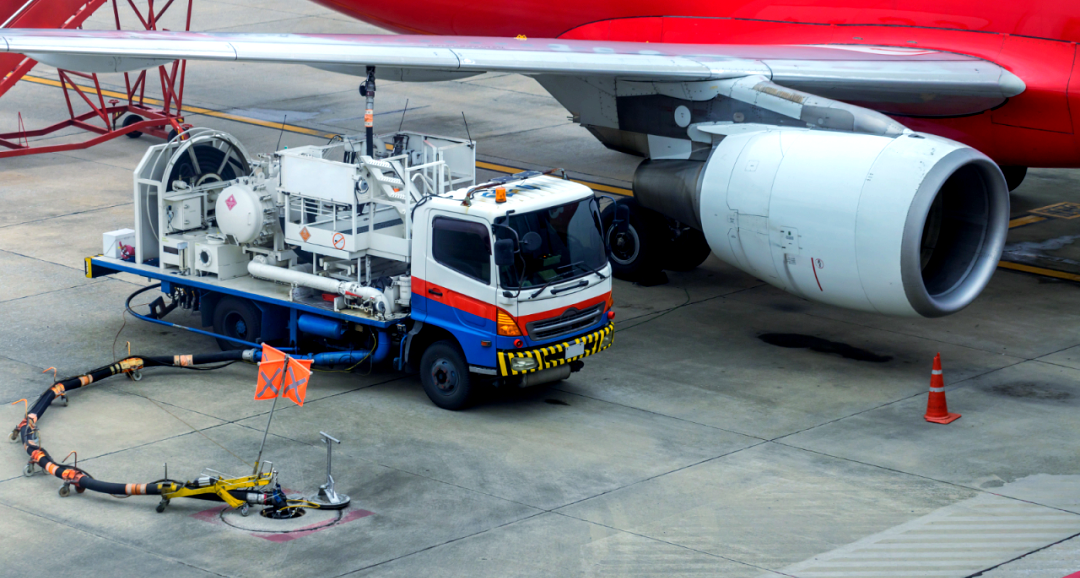
The letter said that the price of traditional jet fuel is likely to remain high in the medium and long term. “It is not feasible to rely solely on market forces and self-regulation,” it said. The EU should collectively purchase jet fuel, temporarily relax restrictions and regulations on the import of jet fuel, while increasing support for sustainable jet fuel.
Jankovec called on the EU to clarify the current and future supply and demand of aviation fuel, find alternative sources of imports, assess the risks faced by the internal circulation of fuel in the EU and assess the level of commercial and strategic reserves of fuel.
Many airlines around the world are responding to rising fuel prices
The United States and Israel launched a large-scale military action against Iran on February 28. Since then, shipping through the Strait of Hormuz, a key route for global energy transportation, has been seriously blocked, and international oil prices have fluctuated sharply.
Global jet fuel prices have soared from $85-$90 a barrel to $150-$200 in the past few weeks, dealing a blow to an industry where fuel accounts for a quarter of operating expenses. Affected by the sharp rise in fuel prices, many airlines around the world have recently been forced to raise fares and fuel surcharges, cancel some flights, and adjust financial forecasts to share the impact of rising bunker factor.