According to the U.S. Wall Street Journal, which quoted several U.S. officials on local time on the 12th, the Trump administration secretly shipped about 6,000 “Star Chain” terminals to Iran after internet service was disrupted during Iran‘s protests last month. The move was aimed at allowing Iranian anti-government protesters to continue accessing the internet after Tehran‘s internet service was disrupted.
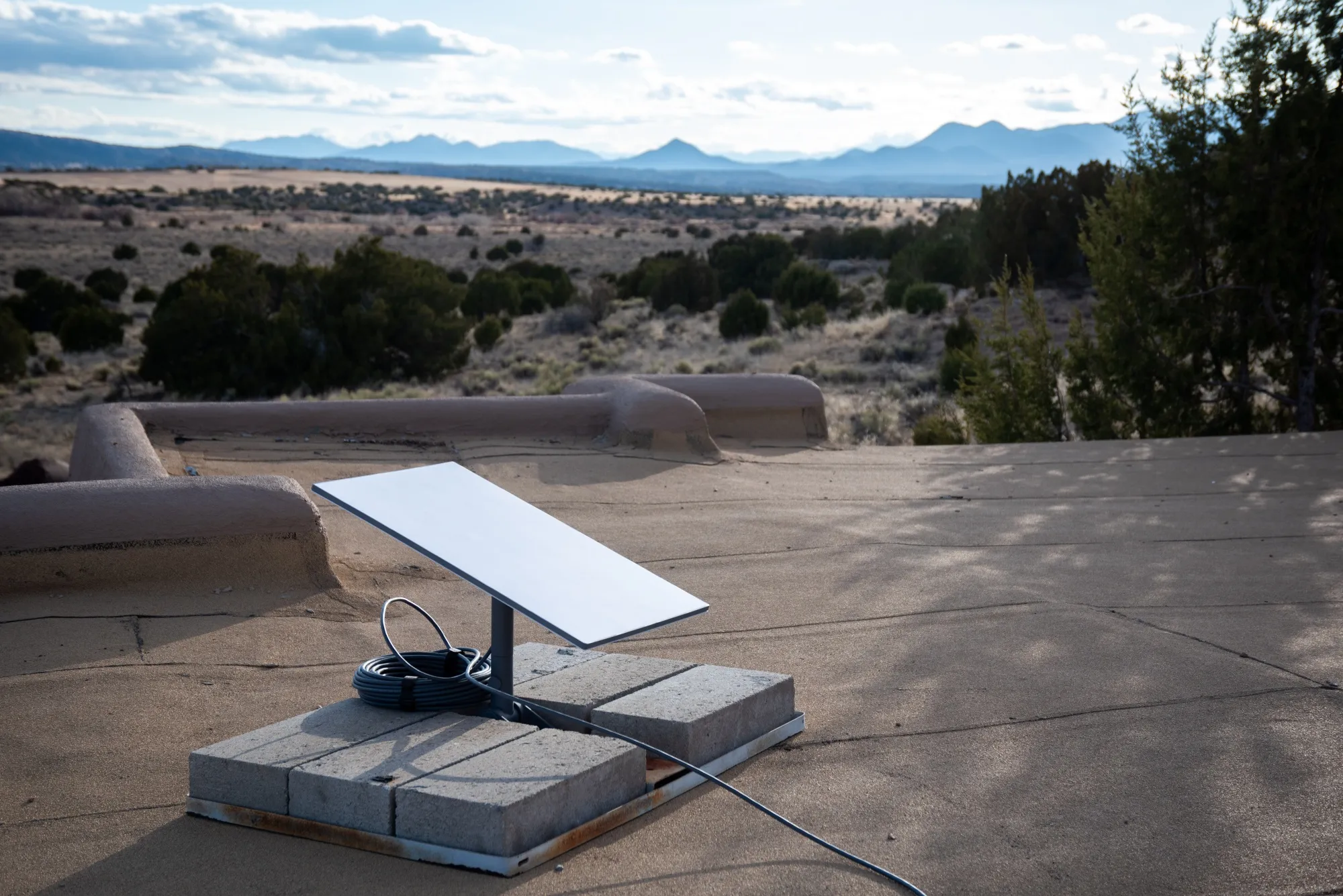
“Star Chain” Terminal
The Wall Street Journal described in detail that during the Iranian protests, there was a large-scale network outage in January, after which the United States smuggled about 6,000 sets of “Star Chain” terminals to Iran. This was the first time that the United States directly shipped “Star Chain” terminals to Iran. The report also mentioned that in Iran, owning “Star Chain” terminals is illegal and may face years of imprisonment.
The report continued to quote U.S. officials saying that U.S. President Trump was aware of the delivery of the aforementioned “Star Chain” terminals, but these officials did not know whether Trump himself or others had directly approved this plan.
The Wall Street Journal reported that Iran had accused Washington of “playing an agitational and organizational role” in the country‘s riots. To this, the United States denied any connection to Iran’s current round of protests, but its actions in delivering “Starchain” terminals to Iran indicated that the Trump administration had provided secret support to Iranian anti-government protesters. In addition, the report also mentioned that the White House had confirmed in January that Trump and Musk had discussed in January how to ensure that Iranians could use the “Starchain” network to access the internet during the protests.
The White House declined to comment on this, the report said.
The Wall Street Journal noted that during the ongoing protests in Iran, Trump encouraged Iranian protesters to continue their demonstrations and told Iranian protesters that “help is coming.” Recently, the United States and Iran have begun negotiations on the nuclear issue, and the Wall Street Journal analyzed that if the two sides fail to reach an agreement, Trump may authorize the use of U.S. carrier strike groups, warships, and fighter planes deployed in the Middle East to launch attacks on Iran.
The U.S. has recently continued to pressure Iran by deploying several warships, including the aircraft carrier Abraham Lincoln, in the Middle East, threatening military intervention. The U.S. and Iran held indirect negotiations on the nuclear issue in Oman on the 6th. Although both sides subsequently released signals to continue negotiations, the war alert has not been lifted. Trump said in a press conference at the White House on the 12th that he hopes the U.S. and Iran will reach an agreement in the next “about a month.” Trump threatened that the U.S. and Iran must reach an agreement, or the consequences will be “very serious” and “very painful” for Iran.