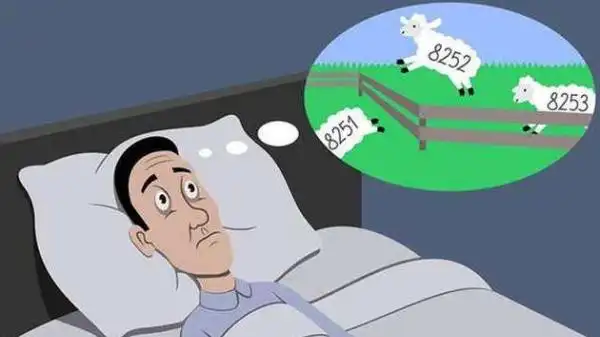
BBC article, Feb. 3, original topic: Can sleep be “stored” in advance for later use? Can “storing” extra hours of sleep before busy times come more effectively offset the effects of possible sleep deprivation in the coming nights? Some scientists believe that “storing” sleep for later use may bring various benefits, such as focusing attention or improving athletic performance. According to some studies, “sleep saving” may be an effective strategy: extending sleep time for consecutive nights before expected sleep is about to be limited. Researchers say this helps the brain store key resources for later use, improving alertness and cognitive abilities when sleep is inadequate. This concept is becoming increasingly popular among social media health enthusiasts, who strongly advocate sleep saving before long trips or major work activities to improve psychological performance, or as a “safety net” before busy times. So, does it really work?
Similar to a bank account (where you deposit money in advance to avoid falling into deficit too quickly when withdrawing money), the concept of sleep saving was proposed in 2009 by sleep researchers at the U.S. Waterleaf Army Institute. At the time, a team led by researcher Tracy Rupp was trying to figure out ways to make soldiers more alert before missions, and they wanted to know if extending sleep time earlier would help. The experimenters divided participants into two groups, one group getting three extra hours of sleep each night, and after a period of time, the two groups underwent a sleep-restricted experiment. The results showed that those who got three extra hours of sleep each night had higher alertness and relatively stronger ability to maintain attention during sleep restriction, and they also recovered to baseline performance faster than those who didn‘t do sleep saving.
However, the concept of “sleep savings” remains controversial. Not all researchers agree that we can “store” sleep in advance and “retract” it when we need to stay awake for longer periods. They say that the body has difficulty distinguishing whether it is really “storing” sleep hours, or compensating for existing sleep debt. Peter Polos, associate professor of sleep medicine at the Hackensack Meridian School of Medicine, says, “During sleep, various problems related to metabolism, hormones, neurology, and cognition are processed. It is generally thought that, at least for the brain, this is a time to consolidate thoughts or prioritize processing of important ‘archives.’” On a physiological level, sleep is very important to the trillions of cells in our bodies.
“All cells need healthy sleep to replenish energy and repair,” says Michael Howell, a neurology professor at the University of Minnesota, but within the so-called “sleep savings” period, we can‘t guarantee that we’ll sleep deeply for long enough, or that we’ll be able to freely control our sleep time. Elizabeth Kellerman, a neurology professor at Massachusetts General Hospital and Harvard Medical School, believes that sleep is more like a credit card than a savings box. “In other words, you can accumulate debt, but you can‘t accumulate balance.” And long-term sleep irregularity can have long-term negative effects on body and mind. (author Katie Wright)