Under-16s in Australia will be banned from using 10 social media platforms, including Facebook, Instagram and X, as of Wednesday. Australia’s e-safety Commissioner’s office said the restrictions were aimed at protecting Australian minors from the psychological stress and potential risks of using social media.
In a video message to minors, Prime Minister Albanese said they know better than anyone what it’s like to grow up with algorithms, endless streams of information and the stress that comes with it. He stressed: “Make the most of the upcoming school holidays, rather than constantly scrolling.”. Learn a new sport, a new musical instrument, or read that book that’s been sitting on your shelf for a long time. It’s important to spend quality time face to face with your friends and family.”
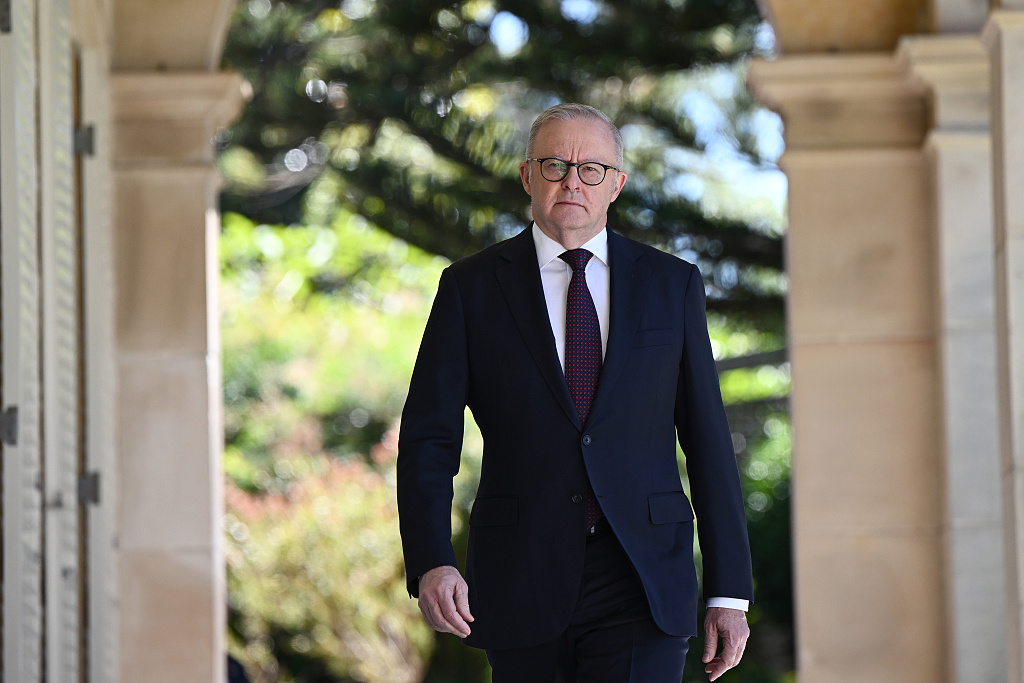
Australian Prime Minister Albanese, file photo. Source: China Vision
Australia’s social media ban comes after the country’s parliament passed the cybersecurity (minimum age for social media) amendment 2024 in November. The bill requires some social media platforms to take reasonable measures to prevent Australian citizens under the age of 16 from having accounts, companies that break the rules face fines of up to 49.5 million Australian dollars, or about $232 million.
How users’ ages are verified is up to each social media platform. Social media platforms are Australian Broadcasting Corporation by law from using ID cards as the only means of age verification, according to ABC, other common verification methods include facial age estimation through artificial intelligence, and age estimation based on existing account information.
The Guardian said Meta, the parent company of Facebook and Instagram, did not specify how it would verify a user’s age, arguing that publishing details could allow teenagers to find ways around the ban. TikTok said it had adopted a“Multilevel approach that combines technical and human review to detect accounts of teenagers who may not have provided the correct date of birth”. Minors under the age of 16 have successfully passed visual age tests on social media platforms, the BBC said. In response, a Snapchat spokesman said the company had expressed concern about the technical challenges faced by the government in preventing minors from accessing the online platform. Snapchat will allow parents to report their children’s accounts if they wish to have them marked as minors, the spokesman said.
Controversy has raged since news of the social media ban for minors was announced last year. Several social media companies have argued that the ban is difficult to implement, that age verification mechanisms are easily bypassed by minors, that the verification process is time-consuming and laborious for platforms, and that it poses a risk to user privacy. Some platforms even deny they are social media companies. Before the ban took effect, YouTube said the“Hasty” implementation of the new law would make minors less safe because they would still be able to use the platform without an account, bypassing“Parental control systems and safety filters designed to protect them.”. Kick, the only local company affected by the new law, said it would introduce a range of measures while continuing to engage constructively with the government. Reddit, the social media company, said it would comply with the ban but was“Deeply concerned” about the law, which“Undermines everyone’s right to privacy”.
The Australian government has acknowledged that the process will be difficult. Albanese said the process of enforcing social media bans would not be 100 per cent perfect, but the law’s message would be 100 per cent clear. He cited the Australian drinking age as an example, “Australia has set the legal drinking age at 18 because our society recognises that it benefits both individuals and the community. Although teenagers still manage to drink occasionally, this does not negate the value of a clear national standard.”. Tamar liver, a professor of Curtin University Internet Studies, told Reuters, “While Australia is the first country to impose social media restrictions on minors, there is a good chance it won’t be the last.”.