The UK hopes to reach a deal with the EU within weeks to 2027 re-entry into the Erasmus Student Exchange Scheme, the Guardian reported Erasmus. The effort is seen as one of the key moves to try to repair relations with the EU.
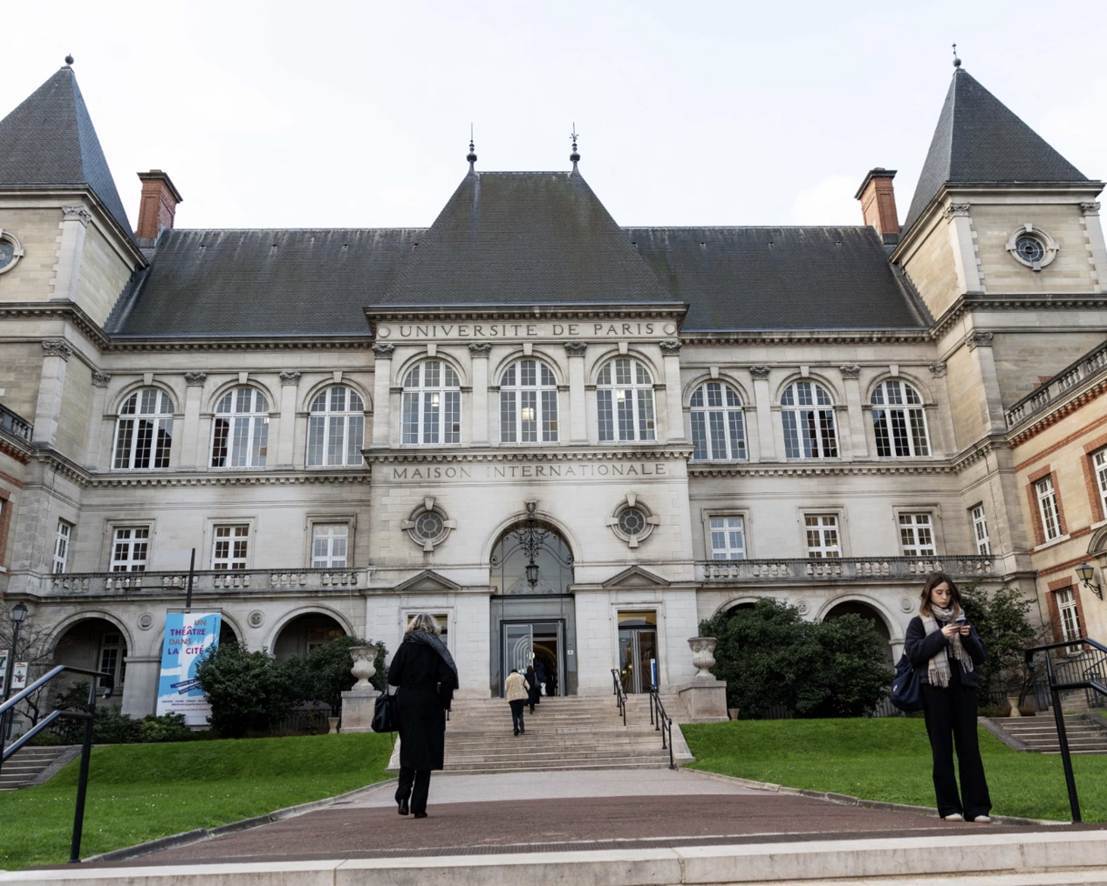
University of Paris. Photograph by Jumeau Alexis, courtesy Abaca/Shutterstock
The Erath Programme is a scholarship programme for higher education established by the European Union in 1987. Since January 2014, the EU has upgraded and launched the“Erasmus +” project, expanding exchanges to countries and regions outside Erath, promote exchanges and cooperation in the fields of teachers and students, talents, knowledge, skills, employment and innovation within and outside the EU.
The“Erasmus Plus” program is the highest-level research project set up by the European Commission. It has clear limits and requirements on the qualifications of applicants, and has always been strict in approval, the rate of project approval is low, the management is standard, the fund dynamics is big enjoys the high reputation in the international academic circles. Recipients of the“Erasmus Plus” scholarships are exempted from receiving university tuition fees, registration fees, examination fees, laboratory and library fees, as well as subsidies for international travel and living expenses, the amount of funding depends on the actual project and EU Erasmus Programme Policy.
The prime minister at the time, Boris Johnson, called the Erath Project, which the UK withdrew from after Brexit, “A poor value for money”. However, the current Labour government agreed to restart talks at an eu-uk summit in May last year and has been working to reduce the cost of UK participation. For the European Union, Britain’s return to the # 23 billion ($2.44 billion) system of educational exchanges has been a central demand of both sides in the renewed negotiations. At the same time, the Europeans want a movement of people deal so that young Europeans can live and work in the UK for several years, and young Britons can get the same opportunities in Europe.
Analysts said a quick breakthrough on the“Erasmus” would send an important signal to the outside world that Britain and the EU were still working on a substantive rapprochement.
A UK government spokesman said good progress had been made on several fronts since the eu-uk Summit. “We have agreed to go back to Erath and make sure that the terms of the agreement are favourable to the UK. “Throughout these negotiations, we have put our national interest first and sought closer trade ties that support jobs, lower spending and better border management.”