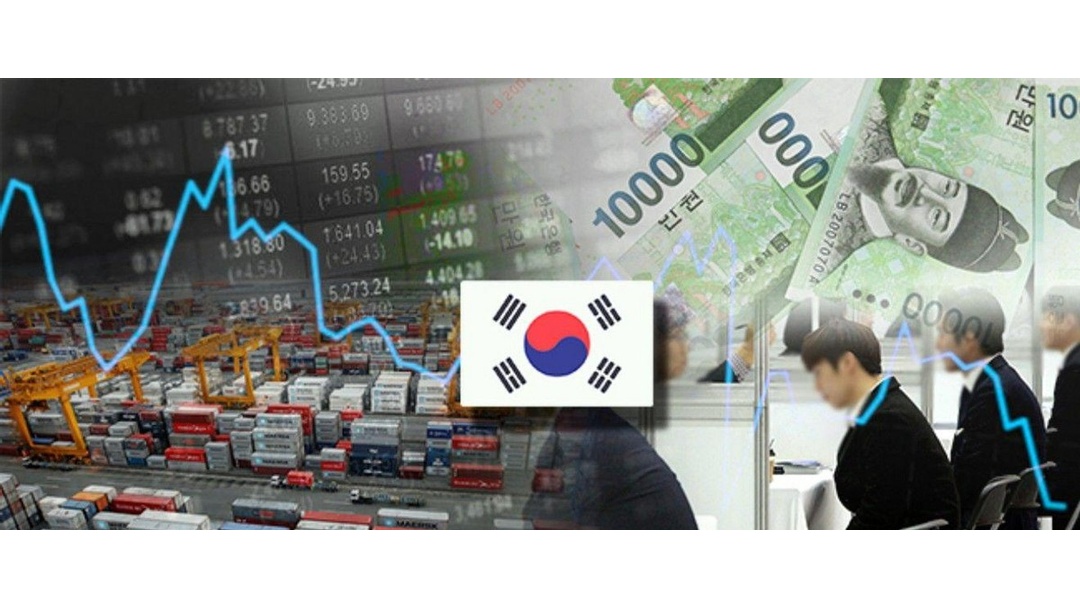
“Korea Times” reported on December 2, South Korea in the artificial intelligence (AI)-driven global economic cycle showed clear signs of structural differentiation. Leading AI-related export enterprises such as Samsung Electronics and SK Hynix have achieved a substantial increase in the third quarter of this year, but problems such as long-term weak domestic demand, the continuous weakening of the Korean won, and the accelerated outward migration of corporate investment have become prominent. South Korean securities analysts have warned that the country’s economy is sinking into an imbalance of“Strong exports and weak domestic demand”.
South Korea’s DB Securities said in a series of recent research reports that the won’s long-term weakness against the dollar has made exporters more inclined to keep dollar-denominated earnings overseas. This trend is undermining key economic activities such as household income, private consumption and home-grown investment.
Moon hong-cheol, a senior analyst at DB Securities, said the sharp improvement in the performance of South Korean exporters linked to artificial intelligence stood in stark contrast to continued weakness in domestic demand. Samsung Electronics reported a 21 per cent year-on-year increase in net profit in the third quarter, while SK Hynix saw a 119 per cent jump in net profit. South Korea’s economy was facing a“Currency devaluation paradox”, Moon said, with continued won weakness essentially“Transferring household purchasing power to exporters”. If companies repatriate their earnings and reinvest them, they could spur new growth. But the current South Korean companies to accelerate the expansion of production capacity in the United States and other places, leading to domestic investment will continue to weaken.
Moon warned that rather than improving the quality of overall economic growth, the current currency situation would accelerate capital outflows and entrench structural problems such as low growth and sluggish domestic demand. He also said the risk of volatility in the Korean market continued to build in the short term. At the bond market level, the U. S. Treasury general account funds lag, resulting in continued tight U. S. dollar liquidity, year-end exchange rate volatility may be triggered.
In South Korea, Kang Hyun-kee, head of equity strategy at DB Securities, said the ai-led rally had the characteristics of a“Recessionary bull market”. “The current ai-driven bull market is quite unusual because, unlike the internet bubble or the real estate bubble, it is taking place against a backdrop of slowing economic growth and weak household purchasing power.”(Li Zhiyin)