A third of parents in the UK apply for a special needs assessment for their children, a survey has found
A new survey of more than 5,800 parents released by the YouGov poll, a coalition of the country’s charity Parentkind, has found that parents are more likely to be affected by their parents’ behaviour, about one-third (33%) of parents of school-age children have applied to a school for a Special Educational Needs (Sen) assessment. The results suggest a surge in demand for special education on British campuses. In England, the figure is as high as 34 per cent.
The number of diagnoses of autism, ADHD and speech and language disorders in British children has risen sharply in recent years. Speech disorders, social and emotional problems have also increased rapidly since covid-19. In response, the Institute for Fiscal Studies said the sharp rise in the number of people with Special Educational Needs and Disabilities (Send) in England, it is the result of“Better identification of pre-existing needs through cognitive upgrading and diagnostic improvement”.
The demands and difficulties of the parents group more directly reflect the pressure on the demand side. Only half of the above-mentioned families who have applied for a special educational needs assessment have received the assessment services provided by the school; the other half are still waiting for the assessment or have to carry out private assessments at their own expense. A quarter of the parents waiting for assessment services indicated that they had waited for more than one year.
In addition to difficulties in assessment, parents of children with special needs also face a variety of pressures and difficulties, life and psychological status are significantly affected. According to the survey, 15 percent of parents choose to leave their jobs to take care of their children, and 20 percent have taken time off work. A third of parents face a double bind of“Financial stress due to additional costs” and“Increased tension within the family”, while 40 per cent admitted to having mental health problems of their own.
From the supply side, the existing security system but it is difficult to match the rapid growth of demand, supply shortage is very obvious. Currently, one in 20 school-age children and teenagers in England are enrolled in EHCP (Education, Health and Care Plans, which provide targeted support for their children) , the total is about 482,000. Even so, last year nearly 70% of children with special needs in England were not covered by the core programme.
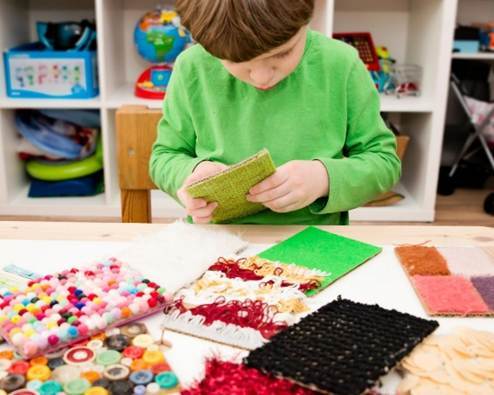
Department for Education figures show that 482,000 children received EHCP-related support in England last year. Photo: Studio. GPhotography/Shutterstock
In addition, the implementation of the special educational needs reform is also limited by resource bottlenecks, related funding and special school degree serious shortage and other issues have not been resolved. For this, jason Elsom, chief executive of parent-friendly, said: “In practical terms, schools are doing everything they can to serve students with special educational needs. However, there are still a large number of families in deep trouble, the root cause is that the British special educational needs system has been completely unable to cope. Every family is eager to get support when their child needs it, rather than running out of hope in a long wait. After all, the measure of a society is the way we treat the most vulnerable, and that ought to leave us with a profound sense of responsibility, a responsibility to each and every one of us to contribute to the fairness and justice of that society.”
In view of the above problems, the Department for Education said: “We listen to parents and always aim to improve support services for children as we promote experiences and outcomes for children with special educational needs and disabilities across the UK.”, the Department for Education plans to issue a white paper at the end of this year to clarify the direction of special education reform. The core measures include expanding the supply of special needs education in ordinary primary and secondary schools and encouraging the establishment of special education modules in schools, efforts should be made to make schools more inclusive and professional so that more children with special needs can receive support for adaptation in ordinary schools.