“In the context of rising prices, the family burden will be further aggravated from October,” the West Japan News reported on the 29th, more than 3,000 types of food and drink are expected to rise in October after a six-month hiatus, while government subsidies for electricity and gas will end. Although the minimum wage is expected to rise in Japan, Price rises are likely to continue for a longer period of time as prices for goods and services are likely to rise, the report said.
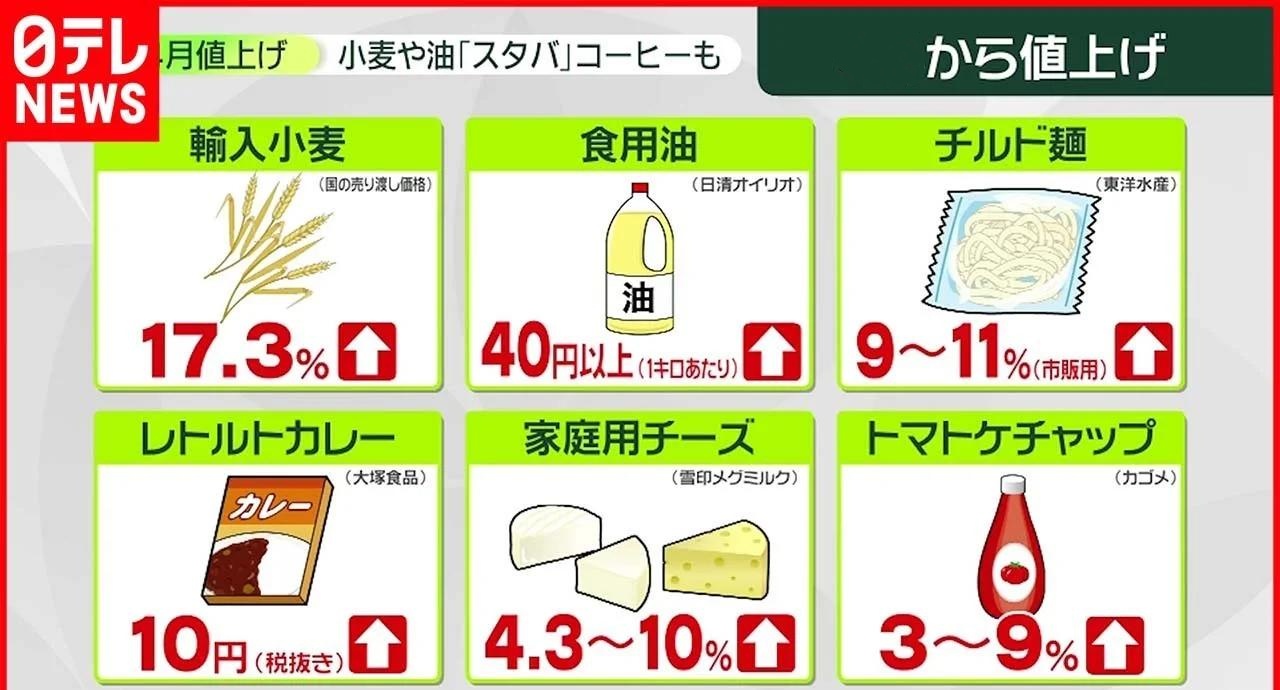
More than 3,000 types of food and beverage are expected to see price increases in October, up from 2,989 in the Aug. 29 survey, according to Imperial Data Bank of Japan. The reasons include the cost of raw materials, logistics and labor costs. The increase in the price of 500ml bottles of soft drinks is particularly significant. For example, coca-cola (Japan) is proposing to increase the retail price of a bottle from 194 yen to 216 yen (100 yen to 4.8 yuan) , other mainstream drinks will also rise to around 216 yen per bottle. Prices of rice products, including rice cakes, boxed rice and sake, could rise as much as 17 per cent as a result.
Rice prices remain high in Japan. The average price of NHK Rice in supermarkets across the country was 4,246 yen per 5kg in the week ending September 21, NHK reported Tuesday. Although down Y29 from the previous week, rice prices have remained above Y4,000 for three consecutive weeks. “Rice prices are likely to remain above Y4,000 per 5kg for the rest of the year,” said one expert familiar with rice production and circulation
The still-high price of rice has sparked concern among retailers that consumers will cut back on purchases because of prices, leading to lower profits, the Japan Times reported recently. In addition, the relatively high price of new rice has led many budget-conscious consumers to opt for lower-priced 2024 rice, further squeezing retailers’ profit margins.
At the same time, the West Japan News reported that electricity and gas subsidies, which the government restored between July and September this year, would be terminated as planned as a response to the summer heat. The subsidy had saved the average family about 1,000 yen a month in electricity and gas bills. Japan’s 10 leading power companies and four major urban gas companies have announced increases in standard household electricity/gas charges for October compared with last month.
The last time Japanese food prices went up was in the 2023. Japan saw the price of more than 32,000 food items rise that year, the most in 30 years, as a result of soaring raw material prices and a falling yen that increased the cost of imports. A previous survey by Imperial Data Bank had suggested that the cumulative number of goods with rising prices in Japan this year would exceed last year’s 12,520 and reach a maximum of about 20,000. According to the agency’s analysis, price increases in 2025 show a trend of expansion, and the driving force of price increases comes from the cost of services derived from the rise.