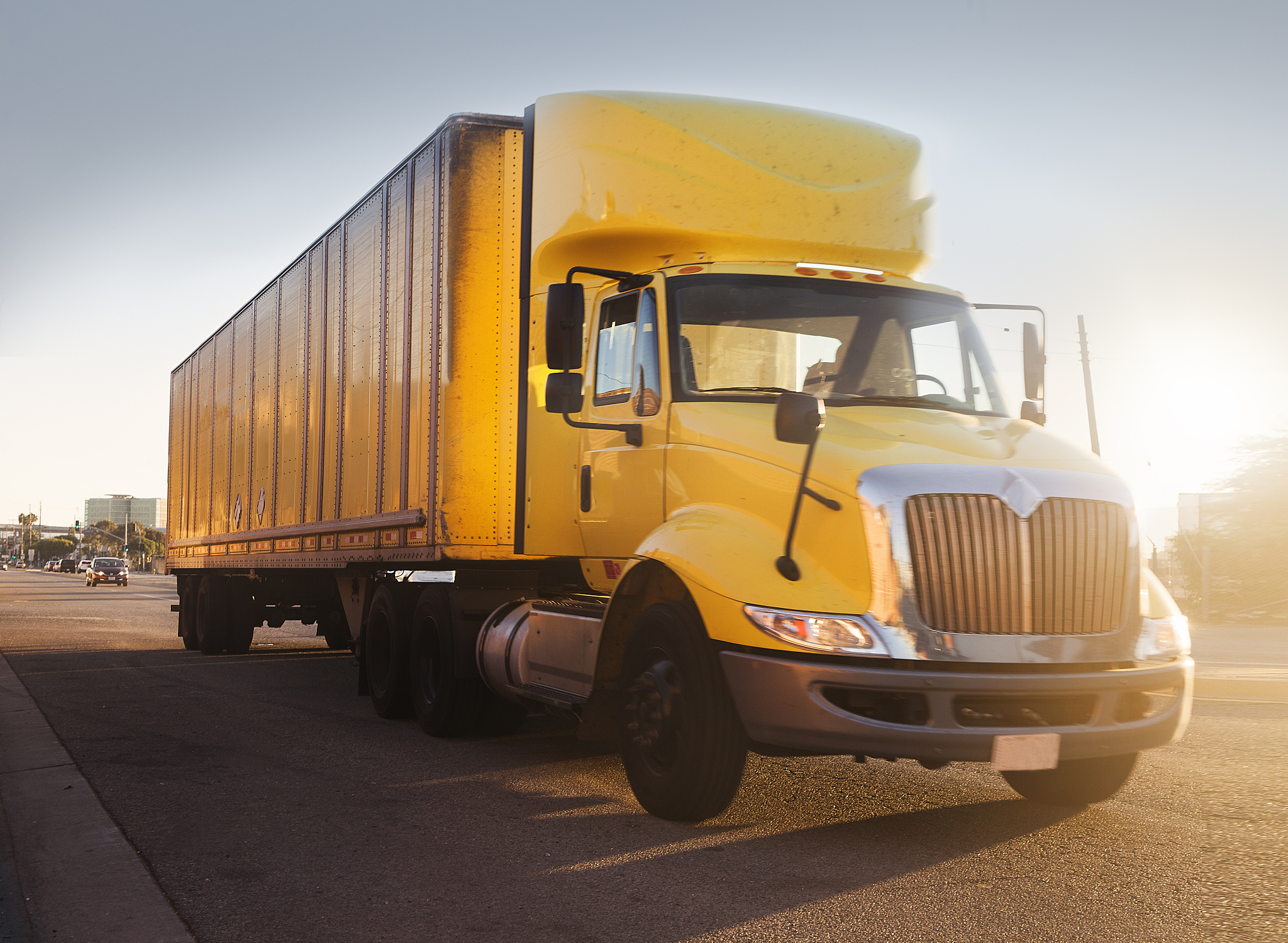
US President Donald Trump on Monday announced a 25% tariff on all imports of medium and heavy trucks from November 1. Late last month, Donald Trump said the US would impose new tariffs on imported heavy trucks on the grounds of “National Security”. He also said the tariffs would help protect us-based truckers from“Unfair external competition”.
The truck tariffs are another big step up from Donald Trump’s long-standing pledge to protect American companies from outside competition, Reuters reported Tuesday. Yet, far from being grateful for Donald Trump’s tariff protection, American industry is clearly against it. The US Chamber of Commerce has previously urged United States Department of Commerce not to impose truck tariffs and reminded the Donald Trump administration that Mexican, Canadian, Japanese, German and Finnish trucks were the top five sources of imports, these countries are allies or close partners of the United States.
The number of medium and heavy trucks imported into the United States from Mexico has tripled since 2019, Reuters reported. The US imported nearly $128bn worth of heavy vehicle parts from Mexico last year, about 28 per cent of the total.
The American Trucking Association has also previously made clear its opposition to the U. S. government’s truck tariffs. Bob Costello, Senior Vice President of the Association, said that US truck imports mainly come from Mexico, which does not pose a national security threat to the US at all. Moreover, North American truck production is so integrated that even when trucks are assembled in Mexico, many of the important parts could come from the US.
The American Trucking Association estimates that if all new trucks from Mexico were subject to a 25 percent tariff, the average price of a new truck in the United States would rise from $170,000 to $200,000. For trucking companies, that means paying a federal sales tax of $200,000 on the price of a single bike, which would in effect cost the trucking company $224,000, for the vast majority of freight companies, these are unaffordable costs.
Foreign media also noted that the U. S. Government announced the latest truck tariffs there are many details are not clear. For example, under previous US trade agreements with Japan and the EU, the US agreed to impose a 15 per cent tariff on light trucks from Japan and Europe, while it was unclear whether the 25 per cent tariff would apply to heavy trucks from Japan and Europe. In addition, the Donald Trump administration has allowed trucking companies to deduct the value of us-related components from Canadian and mexican-assembled light trucks from the tariffs, and it remains to be seen what the new calculation will be.
It is worth mentioning that under the -MEXICO-CANADA agreement, a heavy truck is tax-exempt if at least 64 percent of its value originates in North . Jensen Miller, a professor of Michigan State University Supply Chain Management in the US, said in a recent media interview that, at the moment, the biggest concern is whether the tax-free provisions of the U.S.-MEXICO-CANADA agreement will continue to apply, and if they don’t, the price of U.S. trucks could go up, but it’s hard to say how much.
The Financial Times has watched Mr Trans arrange a meeting with Kearney, the Canadian Prime Minister, the day after he announced the truck tariffs on Monday. Flavio Walpi, President of the Canadian Association of automobile parts manufacturers, said the government would closely follow the official communiqué or formal executive order signed by Donald Trump. He said he hoped that the use of U. S. components of light trucks can be duty-free, truck manufacturers will find ways to fight for duty-free treatment.
Analysts at mercantile think Donald Trump’s truck tariffs are aimed at foreign-made trucks, so many analysts believe mexican-made trucks will not escape the duties. In this case, the early layout of truck manufacturing companies in Mexico may have to complain.
Vîlv? has invested $700m in a Mexican heavy-duty truck factory that is expected to start operating in the 2026, according to Reuters. Stellantis, the parent company of the us-based Chrysler, which makes heavy trucks in Mexico and has lobbied the White House to grant duty-free treatment to trucks made in Mexico, could also be affected.