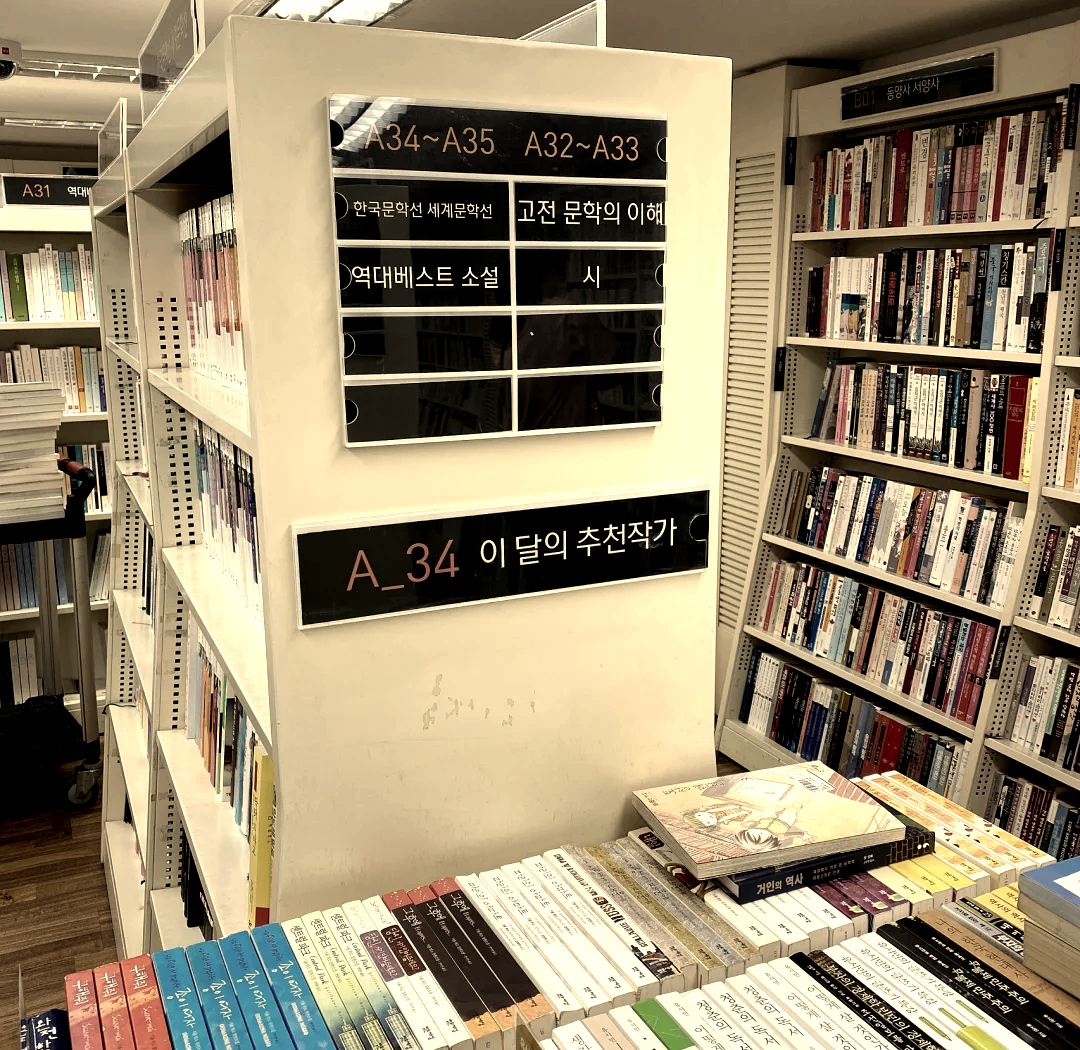
In 2018, “Although want to die, but still want to eat spicy fried rice cakes,” a book published in South Korea’s publishing industry caused a rare wave. The book is both a memoir and a psychological dialogue, based on the author’s experience with depression and classified by bookstores as“Korean essays.”. It stands out because it stands out as a sincere and fragile personal narrative.
Seven Years On, the category is very different. Today, rows of pastel-colored books are arranged in neat rows in bookstores across South Korea, the pages are littered with similar phrases: “Just being there is enough for you.”“Even when you stop, it is a way of moving forward.”“Happiness is hidden in ordinary days.” The industry calls these works“Healing essays.”. They are short, composed of short paragraphs or scattered statements, easy to read quickly. Unlike memoirs, which are based on real-life experiences, such essays are more like“Collections of quotable sentences” than full narratives.
Today, two or three of the top 10 books on the monthly best-seller lists of South Korea’s biggest chain of bookstores are“Healing essays”. According to the annual report of the bookstore chain Yes24, the 2023 has published more than 4,200 essays, almost twice as many as a decade ago. Sales of“Korean essays” have grown by more than 30 per cent since 2019, while categories such as non-fiction and translated literature have stagnated. “This is the safest option for publishers,” said a senior editor at a large publishing house, who spoke on condition of anonymity, “You don’t need characters, you don’t need research, you don’t need stories. It’s about whether the sentence can be highlighted and looks good on Instagram. That’s the standard these days.”
For the reader, the appeal has little to do with the quality of the literature and everything to do with what it symbolises. “I don’t expect them to change my life,” says one Korean reader who works as a pharmacist and has bought several such essays. “I know these sentences are vague. But when I bought it, it was like giving myself permission to take a break.” In South Korea, the move does carry weight. There is still a cultural legitimacy to buying books. “Books are still a symbol of seriousness in Korea,” explains Lee Jong-yeon, a sociology professor at Seoul Women’s University. So when people pay about 16,000 won for an essay, they are not just buying words, they are buying the right to say to themselves, ‘I’m taking care of myself in a decent way. ‘”
This also explains why readers do not feel cheated even when they realise the emptiness of such books. The deal itself was sober, and they knew the pages were full of platitudes, but the spending was just enough to feel“Significant” enough to bring them a socially acceptable form of self-healing. Psychologists see both benefits and risks. “When people are under a lot of pressure, they don’t need rigorous analysis,” said Lee dong-kyu, a professor of clinical psychology at the Korean Yonsei University, “They want words that they can absorb at a glance, almost like a mantra. It relieves loneliness. But there is a difference between quick relief and real recovery. The danger is that people mistake these sentences for treatments.”
However, not all readers are tolerant of“Essay”. “It’s like fast food for the soul,” said Yoon, a graduate student in European literature at Gyeonghee University in South Korea, “Easy to swallow, instant gratification, packaged as soul food, but mostly empty calories. I Don’t blame people for buying it, but it would be worrying if it became a staple of our psyche.” and publishers know the need. The anonymous editor added, “An internet celebrity with 200,000 followers can be dressed up as a writer in a few months. The book itself doesn’t need depth, and their audience is the market.”